Roof Installation

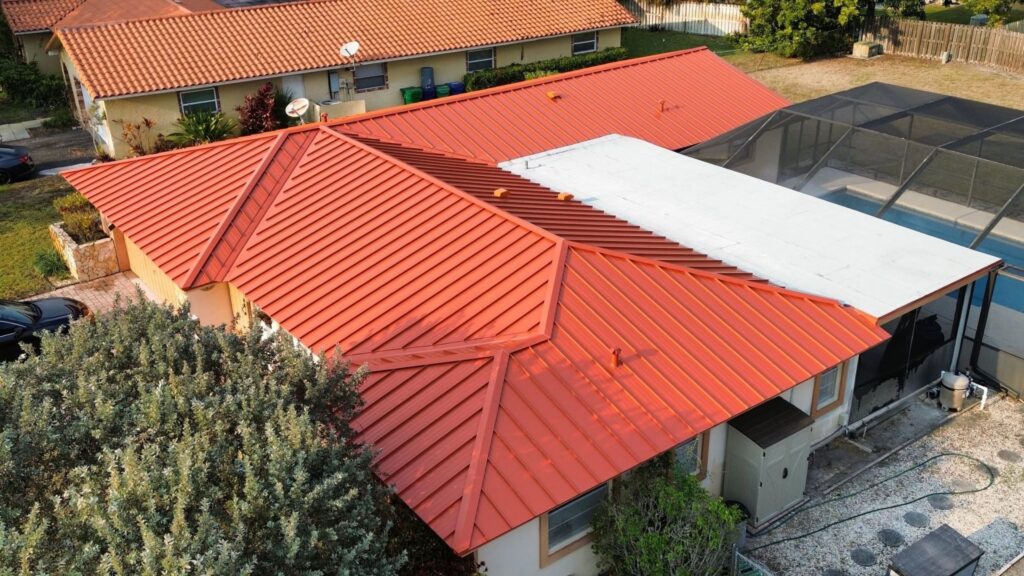
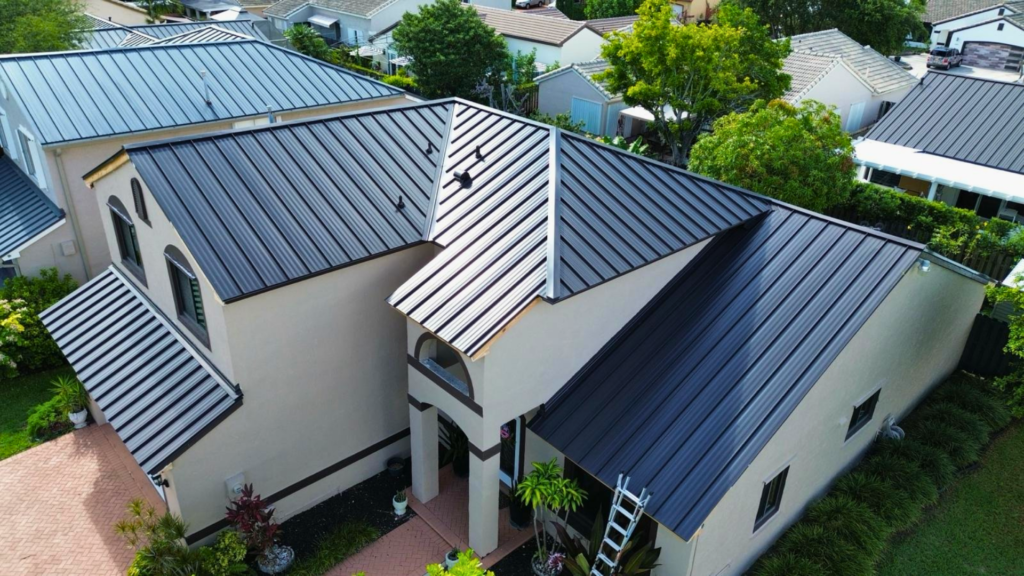
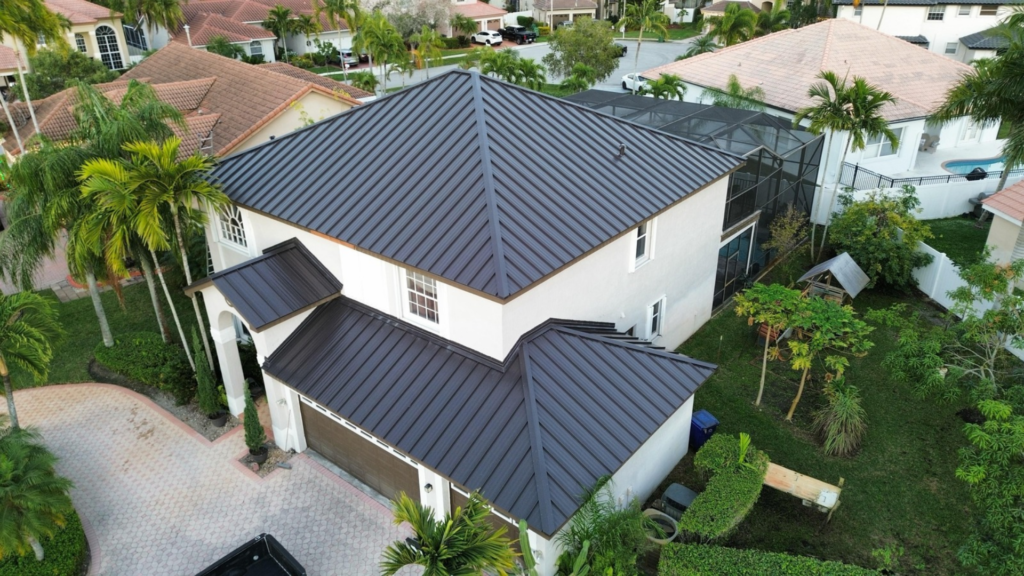
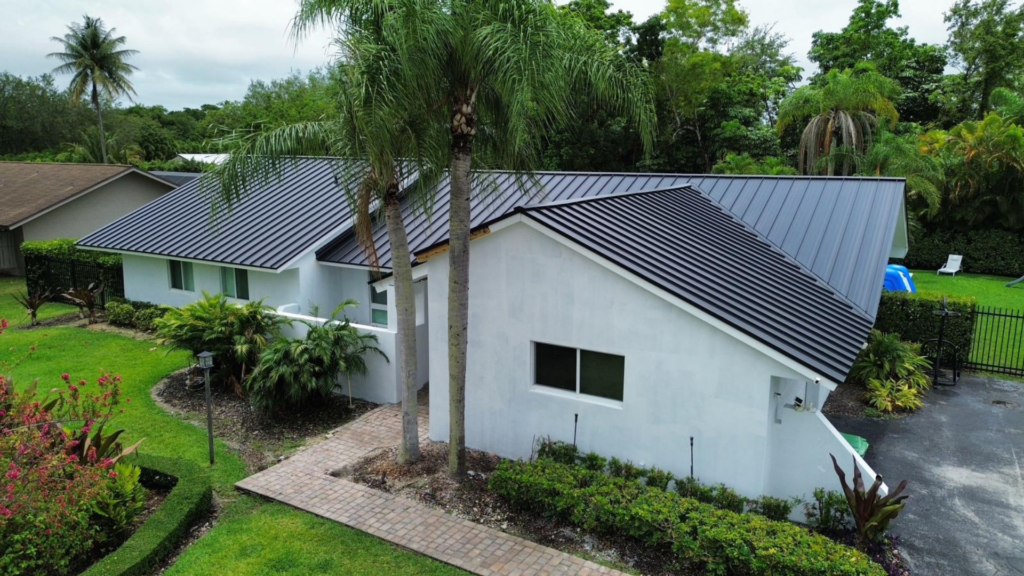
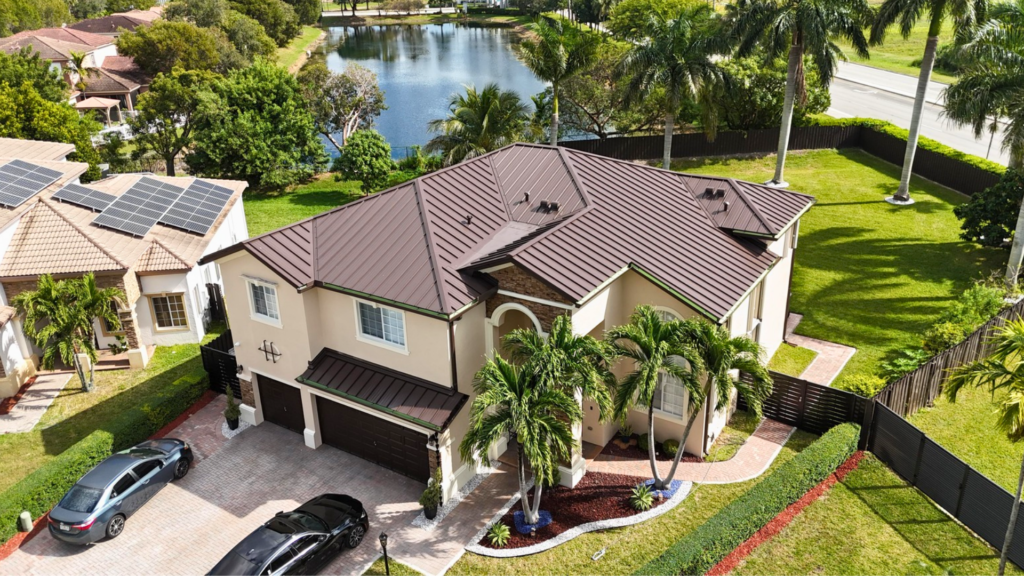
roof installation designed to withstand high winds in Florida

Roof Installation: Strong Systems for High-Wind Areas

What Makes a Roof System Strong in High-Wind Areas Like South Florida? In South Florida, roofs must do more than look good. They must withstand strong winds, heavy rain, and severe storms. A strong roofing system depends on more than materials. It depends on proper roof installation. Every layer of the roof must work together to protect the home. When one part fails, the entire system becomes vulnerable. Wind Uplift Resistance One of the most important factors in high-wind areas is wind uplift resistance. Strong winds create pressure that can lift roofing materials off the structure. Proper fastening patterns help keep materials securely attached to the roof deck. According to the Federal Emergency Management Agency (FEMA), roofs installed with proper fastening systems are more resistant to wind damage during storms. This is why professional roofing contractors near me follow strict installation guidelines in Florida. Proper Fastening and Installation Techniques Fasteners must be installed in the correct pattern and depth. Poor fastening can weaken the entire roofing system. The National Roofing Contractors Association (NRCA) explains that correct installation techniques are essential for roof performance and durability. Even high-quality materials can fail if they are not installed correctly. Underlayment and Waterproofing Underlayment acts as a secondary barrier against water intrusion. In high-wind storms, rain can be forced under roofing materials. A properly installed underlayment helps prevent water from reaching the roof deck. This layer plays a critical role in protecting the home during extreme weather. Edge Details and Flashing Roof edges and flashing are some of the most vulnerable areas during a storm. If these areas are not secured correctly, wind and water can penetrate the system. Proper edge metal installation and flashing placement help seal the roof and prevent damage. Code Compliance Matters Florida has some of the strictest building codes in the country due to hurricane risks. These codes ensure roofs are built to handle extreme conditions. Contractors must follow these standards to provide safe and durable roofing systems. Build a Roof System That Lasts A strong roof is not just about materials. It is about how every component works together through proper installation. At Trade Productions, we build roofing systems designed for strength, durability, and long-term protection. Our team focuses on precision and proven installation methods that perform in Florida’s toughest conditions. If you are planning a roof replacement or searching for experienced roofing contractors near me, contact Trade Productions today to schedule a professional inspection and protect your home with a roof built to last.

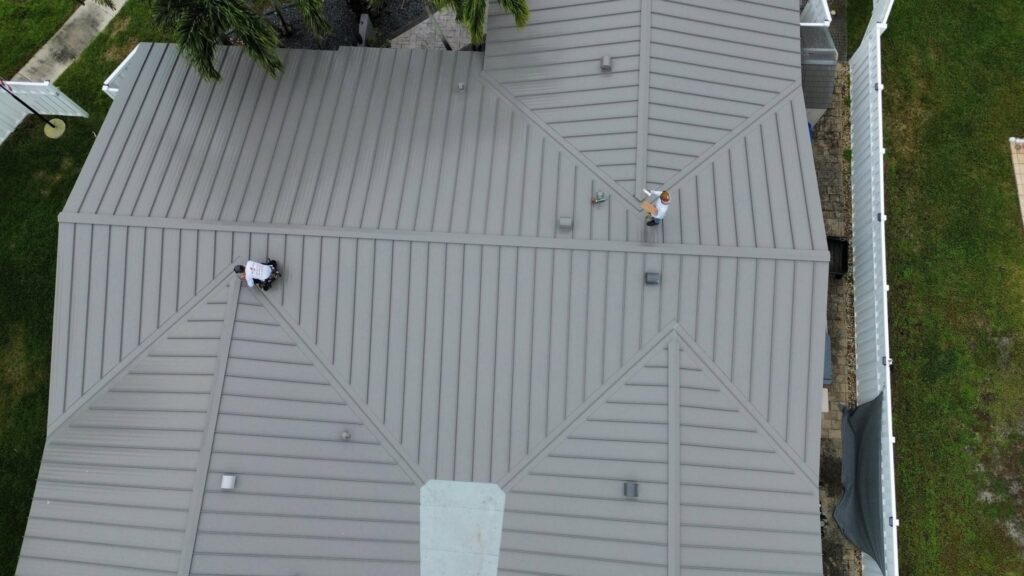
Roofing contractors working together on a residential roof installation

What Happens on a Roofing Jobsite? Safety, Tools, and Teamwork

What Happens on a Roofing Jobsite: Safety, Tools, and Teamwork Many homeowners see the finished roof but rarely see what happens during the installation process. A professional roofing project requires planning, coordination, and skilled teamwork. Experienced roofing contractors follow structured processes to complete each roof installation safely and efficiently. Here is a closer look at what happens on a professional roofing jobsite. Safety Comes First Safety is the first priority on any roofing project. Roofing crews work at height and often handle heavy materials and tools. Professional contractors use safety equipment such as harnesses, roof anchors, helmets, and non-slip footwear. These measures reduce the risk of accidents during installation or roof repair projects. The Occupational Safety and Health Administration (OSHA) explains that fall protection is one of the most important safety requirements in construction work. Roofing companies must follow strict safety practices to protect workers and homeowners. Specialized Roofing Tools and Equipment Roofing teams rely on specialized tools designed for efficiency and precision. Common tools used during roof replacement or installation include: Roofing nail guns Roofing hammers Utility knives Chalk lines for alignment Metal cutting tools for metal roofing systems These tools allow contractors to install roofing materials accurately and maintain consistent quality throughout the project. According to the National Roofing Contractors Association (NRCA), proper tools and professional installation techniques help roofing systems perform as intended. Teamwork and Coordination A roofing project involves several team members working together. Each person typically has a specific role during the installation process. Some crew members remove old materials. Others prepare the roof deck, install underlayment, or place new roofing materials. Clear communication between crew members ensures that the project progresses efficiently and safely. Strong teamwork also helps maintain quality during complex installations. Material Delivery and Jobsite Logistics Roofing projects also require careful material logistics. Roofing materials such as shingles, metal panels, and underlayment must arrive on time and in the correct quantities. Contractors often use lift equipment or specialized delivery methods to move materials safely onto the roof. Efficient planning reduces delays and allows roofing crews to complete projects faster. Professional Roofing Makes the Difference A successful roofing project depends on safety, experience, and skilled coordination. At Trade Productions, our team approaches every project with precision, discipline, and pride in our craft. We believe roofing is more than installation; it is about protecting homes with systems built to last. If you are searching for roof installation near me or reliable roofing contractors near me, contact Trade Productions today to schedule a professional inspection and receive a detailed roof estimate.

Scroll to Top