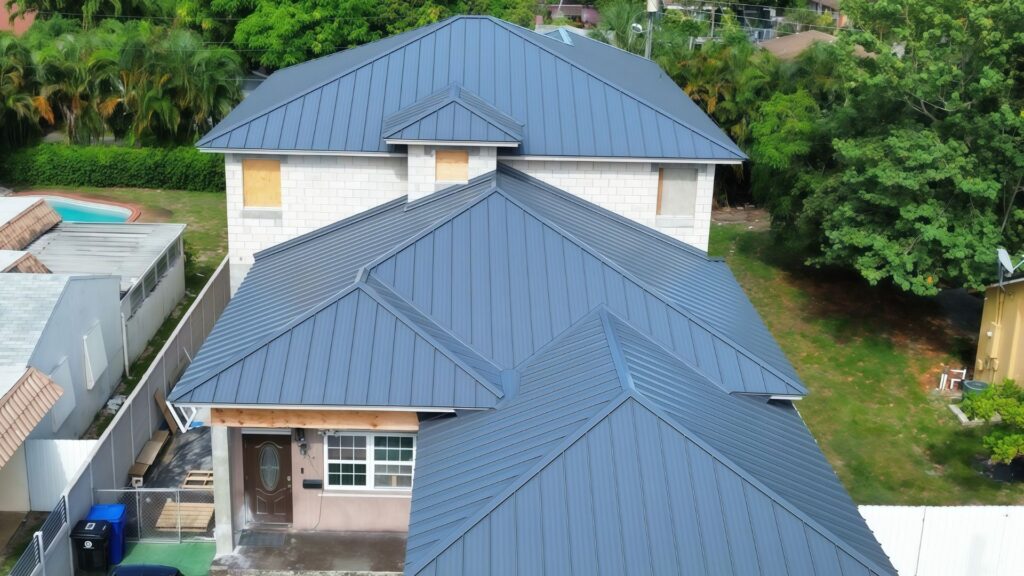
Roofing Education

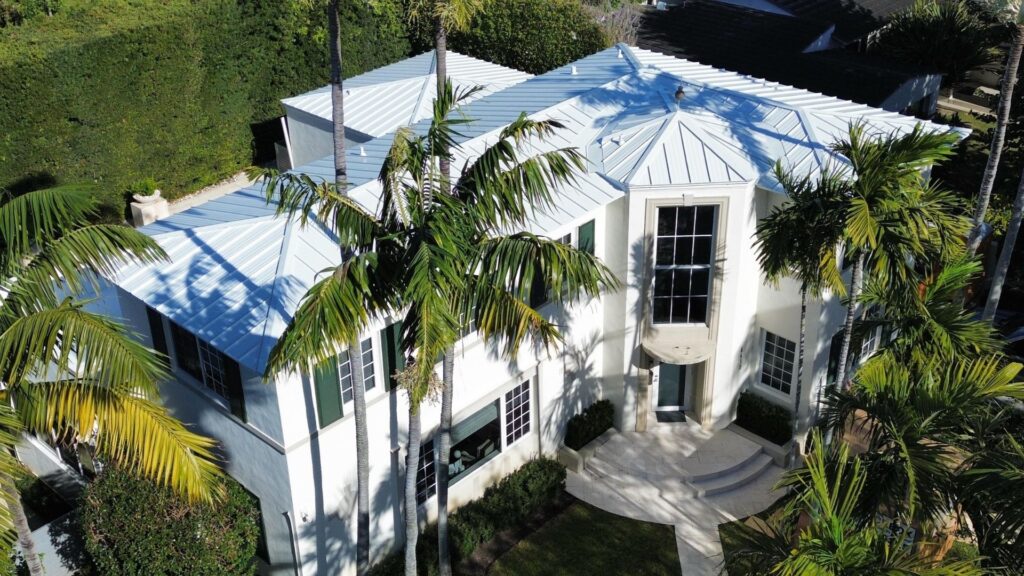
Roof replacement showing hidden roofing system components before installation

Roof Replacement: What Contractors Never Show You

Roof Replacement: What Most Contractors Never Show Homeowners A roof replacement involves much more than installing new shingles or tiles. Unfortunately, many homeowners only see the finished product. They never see the materials and workmanship underneath that determine how long the roof will actually last. That is why understanding what happens during a roof replacement is so important. The hidden layers often matter more than the roofing material itself. What Lies Beneath Your Roofing Material? The visible roof is only one part of the system. A professional roofing contractor evaluates and installs every layer correctly. According to the National Roofing Contractors Association (NRCA), a roof performs best when all system components work together. Critical Components Below the Surface During a roof replacement, contractors should inspect: Roof decking Underlayment Flashing Ventilation systems Fasteners Water barriers If any of these components fail, the entire roofing system becomes vulnerable. Why Decking and Underlayment Matter Many homeowners focus on shingles or tiles because they are visible. However, the structure below often determines the roof’s performance. Hidden Damage Can Create Future Problems Old decking may contain moisture damage, rot, or weak spots. Likewise, poor-quality underlayment can allow water intrusion during Florida’s storm season. According to InterNACHI, hidden moisture issues often go unnoticed until significant damage occurs. For this reason, a proper roof inspection should happen before installation begins. Installation Quality Matters More Than Materials Two roofs can use identical materials and perform completely differently. Workmanship Makes the Difference Improper flashing installation, poor ventilation, or incorrect fastening can shorten a roof’s lifespan significantly. Even premium materials cannot compensate for poor workmanship. According to FEMA, proper installation practices help roofs resist wind damage and severe weather more effectively. That is why choosing experienced roofing contractors near me is often more important than choosing the most expensive roofing material. What Homeowners Should Ask Before a Roof Replacement Before hiring a contractor, ask: Will damaged decking be replaced? What underlayment will be installed? How will ventilation be evaluated? What flashing components will be replaced? Will a complete roof inspection be performed? These questions help ensure you receive a complete roofing system, not just a cosmetic upgrade. Protect Your Investment With the Right Team A roof replacement is one of the most important investments you can make in your home. The visible roof matters. However, the hidden components determine long-term performance. If you are considering a roof replacement, contact Trade Productions today. Our team provides thorough inspections, quality workmanship, and roofing systems built to withstand Florida’s challenging weather conditions.
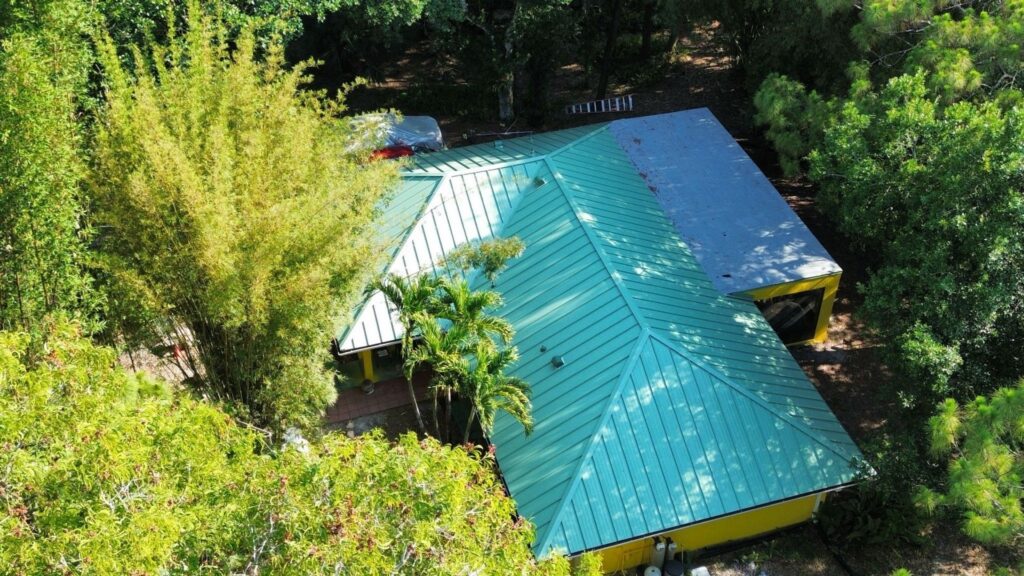
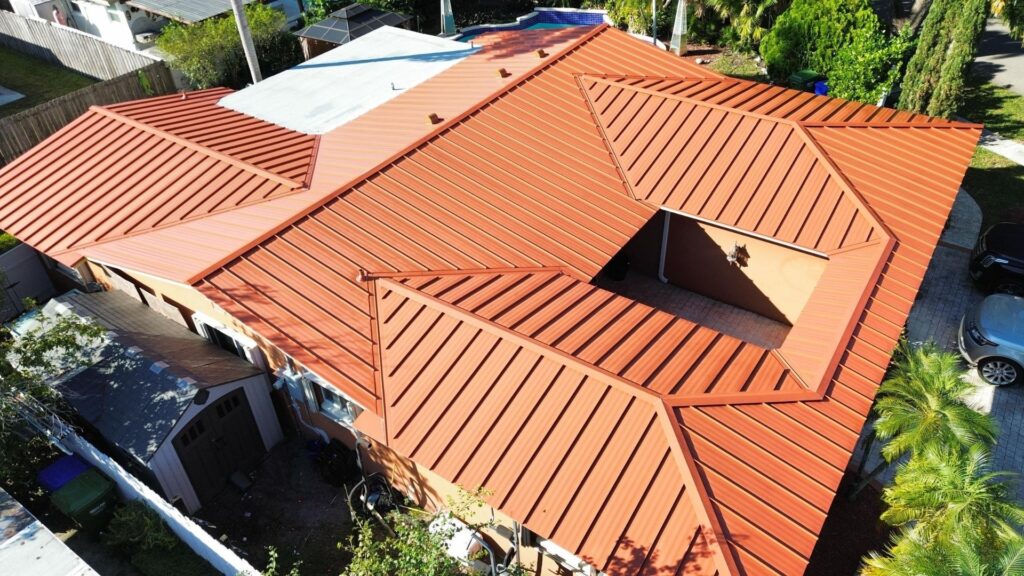
roof ventilation Florida home attic airflow system

Roof Ventilation Florida Homeowners Need

The Science Behind Proper Roof Ventilation in Florida Homes Most homeowners think roofing problems start from storms or old materials. However, many roofing systems fail because heat and moisture become trapped inside the attic. Because Florida homes face constant humidity and high temperatures, proper roof ventilation plays a major role in protecting the entire roofing system. For this reason, ventilation is not just an upgrade. It is a critical part of long-term roof performance. Why Roof Ventilation Matters Ventilation controls heat buildup Florida attics can reach extreme temperatures during summer months. As a result, trapped heat places stress on shingles, underlayment, and structural materials. According to Energy.gov, proper attic ventilation helps reduce heat buildup and improve roofing performance. Moisture becomes a hidden threat Warm air and humidity often collect inside poorly ventilated attic spaces. Over time, trapped moisture can weaken decking, insulation, and roof structures. What Happens Without Proper Ventilation Roofing materials wear out faster Excessive heat accelerates aging in many roofing materials. Because of this, homeowners may face roof repair or roof replacement earlier than expected. Mold and moisture damage develop Poor airflow allows condensation to remain trapped inside the attic. According to InterNACHI, long-term moisture buildup can contribute to mold growth and structural deterioration. Energy costs increase Hot attic temperatures force HVAC systems to work harder throughout the year. That leads to higher cooling costs for homeowners. How Proper Roof Ventilation Works Intake and exhaust airflow must balance A properly ventilated roofing system allows cooler air to enter while pushing hot, humid air out. This process helps stabilize attic temperatures and moisture levels. Roofing systems work together Ventilation supports underlayment, insulation, flashing, and roof decking performance. According to the National Roofing Contractors Association (NRCA), balanced attic ventilation helps improve the lifespan of roofing systems. Why Florida Homes Need Extra Protection Storm season adds more moisture Florida roofing systems experience constant rain, humidity, and temperature changes. Because of this, ventilation problems often worsen during storm season. Roof inspections help identify hidden airflow issues Many homeowners do not notice ventilation problems until leaks, mold, or interior damage appear. Experienced roofing contractors near me inspect attic airflow, moisture conditions, and ventilation systems during roof inspection services. Protect Your Roofing System From Hidden Damage Roof ventilation affects far more than attic temperature. It protects the entire roofing system from moisture, heat, and premature failure. At Trade Productions, we build roofing systems designed for Florida conditions from the inside out. No shortcuts. No overlooked details. Just roofing done the right way. 📞 Contact Trade Productions today: (855) TRADE-FL📍 Schedule your professional roof inspection and make sure your ventilation system is protecting your home properly

roof flashing protecting vulnerable roof areas from leaks

Roof Flashing and Roof Leak Prevention

The Role of Flashing in Preventing Roof Leaks Roof leaks rarely start in the middle of a roofing system. However, they often begin around vulnerable areas like chimneys, vents, skylights, and roof edges. Because these areas experience constant exposure to water and movement, proper roof flashing becomes critical for long-term protection. For this reason, understanding the role of roof flashing helps homeowners prevent expensive roofing damage before leaks spread. What Is Roof Flashing? Flashing protects vulnerable roof areas Roof flashing uses metal materials to seal transitions and openings throughout the roofing system. As a result, water moves safely away from areas where leaks commonly develop. Flashing supports the entire roofing system Flashing works together with shingles, underlayment, and drainage systems to keep moisture out. However, when flashing fails, water often enters hidden sections of the roof structure. According to the National Roofing Contractors Association (NRCA), flashing failures remain one of the most common causes of roof leaks. Where Roof Flashing Is Installed Around roof penetrations Flashing protects chimneys, vents, skylights, and pipes where openings interrupt the roofing surface. Because these areas expand and contract during temperature changes, they require proper sealing. Roof valleys and edges Roof valleys direct large amounts of water during storms. In addition, roof edges experience strong wind pressure during severe weather. Proper flashing installation helps protect both areas from water intrusion. Signs Roof Flashing May Be Failing Water stains or interior leaks Moisture stains on ceilings or walls often indicate flashing problems near roof penetrations. However, leaks may continue spreading long before homeowners notice visible damage. Rust or lifted flashing Damaged flashing may begin lifting, cracking, or corroding over time. As a result, water enters beneath roofing materials and weakens surrounding areas. According to InterNACHI, deteriorated flashing contributes to hidden moisture damage and structural deterioration. Why Flashing Matters in Florida Storms place extra stress on roofing systems Florida roofs experience heavy rain, humidity, and hurricanes year-round. Because of this, flashing must handle strong wind pressure and constant moisture exposure. According to FEMA, properly sealed roof systems help reduce water intrusion during severe weather events. Poor installation leads to future roof repair Even quality flashing materials fail when installation is rushed or incomplete. That’s why homeowners should work with experienced roofing contractors near me who focus on long-term workmanship. Protect Your Roof From Hidden Leaks Roof flashing may seem like a small detail. However, it plays a major role in protecting the entire roofing system from water damage. At Trade Productions, we focus on every layer of the roof system, including the details most homeowners never see. No shortcuts. No rushed work. Just roofing built the right way for Florida conditions. 📞 Contact Trade Productions today: (855) TRADE-FL📍 Schedule your professional roof inspection and make sure your roof flashing is protecting your home properly

preparing your roof for high winds before Florida storm season

Preparing Your Roof for High Winds

Preparing Your Roof for High Winds: What Actually Works High winds expose every weakness in a roofing system. However, many homeowners wait until storm season arrives before thinking about roof protection. Because Florida storms create intense pressure on shingles, flashing, and roof edges, small vulnerabilities can quickly turn into major damage. For this reason, preparing your roof for high winds before storms arrive is one of the smartest ways to protect your home. Why High Winds Cause So Much Roof Damage Wind pressure attacks weak areas first Strong winds lift roofing materials around edges, flashing, and loose shingles. Once wind enters beneath the roof surface, damage spreads quickly across the system. As a result, even small weaknesses become serious roof repair problems. Storm damage is not always visible immediately A roof may appear fine after a storm while hidden damage develops underneath. According to FEMA, wind-driven rain can enter roofing systems through small openings and create long-term moisture damage. What Actually Helps Protect a Roof Regular roof inspections A professional roof inspection helps identify loose materials, weak flashing, and vulnerable areas before storms arrive. Because of this, homeowners reduce the risk of sudden roofing failure during high winds. Securing flashing and roof edges Roof edges and flashing experience the strongest wind pressure during storms. Proper fastening and sealing help keep these areas protected. Poorly installed flashing often becomes one of the first failure points during hurricanes. Replacing damaged materials early Cracked shingles, broken tiles, or aging materials weaken the roofing system. According to the National Roofing Contractors Association (NRCA), replacing damaged roofing materials early improves wind resistance and long-term roof performance. Why Proper Installation Matters Weak workmanship fails faster High winds expose poor roofing installation quickly. However, shortcuts during installation often stay hidden until severe weather arrives. That’s why choosing experienced roofing contractors near me matters long-term. Roof systems work together Roof decking, underlayment, flashing, and ventilation all help strengthen the roof system during storms. If one component fails, surrounding areas become more vulnerable. How Florida Homeowners Can Prepare Schedule inspections before storm season Waiting until after a storm often leads to larger roof repair costs. Instead, homeowners should schedule inspections before hurricane season begins. Work with an experienced roofing contractor Florida roofs require storm-resistant installation methods and attention to detail. According to InterNACHI, regular inspections and preventative maintenance help reduce storm-related roofing failures. Protect Your Roof Before the Next Storm Arrives Preparing your roof for high winds starts long before severe weather reaches your home. At Trade Productions, we build roofing systems designed to handle Florida storms the right way. No shortcuts. No rushed work. Just quality workmanship built for long-term protection. 📞 Contact Trade Productions today: (855) TRADE-FL📍 Schedule your roof inspection or storm preparation estimate before high winds expose hidden roofing problems

moisture inside roof system causing hidden structural damage

Moisture Inside Roof System: Hidden Roofing Damage

How Moisture Gets Trapped Inside Your Roof System Moisture problems do not always start with a visible leak. However, trapped moisture inside a roof system can quietly damage insulation, decking, and structural components for months before homeowners notice anything wrong. Because Florida heat and humidity create ideal conditions for moisture buildup, roofing systems require proper ventilation and waterproofing. For this reason, understanding how moisture gets trapped helps homeowners prevent serious roofing damage. Why Moisture Inside a Roof System Is Dangerous Hidden damage spreads over time Moisture often enters small openings around flashing, vents, or damaged materials. However, once water becomes trapped beneath the roof surface, the damage continues spreading quietly. As a result, homeowners may face mold growth, wood rot, and expensive roof repair costs later. Florida weather increases moisture risks Florida roofs experience heavy rain, humidity, and heat year-round. Because of this, roofing systems in Florida remain more vulnerable to trapped moisture than roofs in drier climates. According to FEMA, moisture intrusion after storms can weaken roofing structures over time. Common Causes of Trapped Roof Moisture Poor attic ventilation Ventilation allows heat and moisture to escape from the attic space. Without proper airflow, warm humid air becomes trapped beneath the roof system. According to InterNACHI, poor attic ventilation contributes to mold growth and premature roofing deterioration. Damaged flashing and seals Flashing protects vulnerable areas around chimneys, vents, and roof edges. However, damaged flashing often allows moisture to enter hidden sections of the roofing system. Small openings can create major long-term damage. Improper roof installation Poor workmanship increases the risk of trapped moisture beneath roofing materials. Because of this, improperly installed underlayment, drainage systems, or roofing layers often fail faster during Florida storms. Signs Moisture May Be Trapped Inside the Roof Musty odors or indoor humidity Excess moisture inside the attic may create strong odors or increased indoor humidity levels. This usually indicates poor ventilation or hidden moisture buildup. Stains or discoloration Water stains on ceilings or attic surfaces often suggest moisture intrusion beneath the roofing system. However, visible stains usually appear after damage has already spread. Sagging or soft roof areas Moisture weakens roof decking over time. As a result, sections of the roof may begin sagging or feeling soft beneath the surface. Why Professional Roof Inspection Matters Hidden moisture requires trained evaluation A professional roof inspection helps identify trapped moisture before major structural damage develops. According to the National Roofing Contractors Association (NRCA), early detection improves roof lifespan and prevents larger roofing failures. Quality workmanship protects the entire system An experienced roofing contractor understands how ventilation, waterproofing, and installation quality work together to protect the roof system long-term. That attention to detail matters. Protect Your Roof From Hidden Moisture Damage Moisture inside a roof system can create serious damage long before leaks appear indoors. At Trade Productions, we inspect roofing systems thoroughly and build roofs designed for Florida conditions. No shortcuts. No rushed work. Just quality craftsmanship built to last. 📞 Contact Trade Productions today: (855) TRADE-FL📍 Schedule your professional roof inspection and protect your roof from hidden moisture damage

roof replacement showing roofing system layers beneath the surface

Roof Replacement: What Happens Beneath the Surface

Roof Replacement Done Right: What Happens Beneath the Surface A roof replacement is more than installing new shingles or tile. However, many homeowners only see the finished surface and not the critical work underneath. Because hidden components protect the entire roofing system, skipping important steps can lead to leaks, moisture damage, and early failure. For this reason, quality roof replacement starts beneath the surface long before the final materials go on. Why the Structure Beneath the Roof Matters Roofing systems work in layers A roof protects the home through multiple connected components. Decking, underlayment, flashing, ventilation, and drainage all work together to prevent water intrusion. As a result, problems beneath the surface often create major roofing failures later. Surface materials alone are not enough New shingles or tiles cannot fix hidden structural issues underneath. According to the National Roofing Contractors Association (NRCA), proper installation and substrate preparation directly affect roof lifespan and performance. What Professionals Inspect During Roof Replacement Roof decking condition Roof decking provides structural support for the entire roofing system. However, moisture damage or rot weakens that support over time. A professional roofing contractor inspects the decking carefully before installation begins. Underlayment and moisture barriers Underlayment creates an additional layer of water protection beneath roofing materials. Because Florida storms bring heavy rain and wind-driven moisture, proper waterproofing is critical. According to FEMA, secondary water barriers improve roof protection during severe weather events. Flashing and vulnerable areas Flashing protects roof penetrations, valleys, and edges where leaks commonly begin. Poor flashing installation remains one of the leading causes of roof repair problems after replacement projects. Why Ventilation Matters During Roof Replacement Heat and moisture affect roof lifespan Attic ventilation controls heat buildup and moisture inside the roofing system. Without proper airflow, roofing materials may deteriorate faster over time. According to InterNACHI, poor ventilation contributes to mold growth, trapped heat, and premature roofing failure. Proper airflow improves performance Balanced ventilation helps extend roof lifespan and improve energy efficiency. This becomes especially important in Florida’s hot and humid climate. Why Quality Workmanship Makes the Difference Shortcuts stay hidden at first Poor workmanship beneath the surface may not create immediate leaks. However, hidden problems often appear months or years later. That’s why homeowners should choose experienced roofing contractors near me who focus on long-term performance. Roofing should be done the right way A professional roof replacement requires attention to every layer of the roofing system, not just the visible materials. That process protects the home long-term. Protect Your Home With a Quality Roof Replacement A roof replacement should strengthen your entire roofing system from the structure up. At Trade Productions, we focus on quality workmanship beneath every roof we install. No shortcuts. No rushed work. Just roofing systems built to handle Florida conditions the right way. 📞 Contact Trade Productions today: (855) TRADE-FL📍 Schedule your roof inspection or estimate and learn what your roof replacement truly requires beneath the surface

Florida storm season affecting residential roof lifespan

Florida Storm Season and Roof Lifespan

Florida Storm Season: How It Impacts Roof Lifespan Florida roofs face pressure almost year-round. However, storm season creates the most damage in the shortest amount of time. Because heavy rain, hurricanes, humidity, and strong winds constantly stress roofing systems, roofs in Florida often age faster than homeowners expect. For this reason, understanding how Florida storm season affects roof lifespan helps homeowners protect their investment before problems become serious. Why Florida Storm Season Matters Roofs face repeated weather exposure Storm season brings constant wind, rain, and flying debris. Even when visible damage seems minor, repeated exposure slowly weakens roofing materials over time. As a result, roofing systems lose durability faster. Moisture causes hidden deterioration Water intrusion does not always create immediate leaks. Instead, moisture often spreads beneath roofing materials and damages hidden areas first. According to FEMA, wind-driven rain can enter small roof openings and create long-term structural damage. How Storm Season Reduces Roof Lifespan Wind weakens roofing materials Strong winds loosen shingles, flashing, and seals during storms. Because of this, roofing systems become more vulnerable after every major weather event. UV exposure accelerates aging Florida heat and sunlight continue damaging roofing materials between storms. As a result, shingles, membranes, and sealants wear down faster over time. This often increases the need for roof repair. Poor drainage creates moisture problems Heavy rain places pressure on gutters and drainage systems. However, blocked drainage can trap water on the roof surface. According to InterNACHI, standing water and trapped moisture increase roof deterioration and mold risks. Why Regular Roof Inspection Matters Hidden damage grows over time Many roofing issues remain unnoticed after storms. However, small vulnerabilities continue spreading beneath the surface. A professional roof inspection helps identify damage before it becomes a major repair. Maintenance extends roof lifespan According to the National Roofing Contractors Association (NRCA), regular inspections and maintenance improve long-term roof performance and durability. This is especially important in Florida conditions. How Homeowners Can Protect Their Roof Schedule inspections after major storms A roofing contractor can identify loose materials, flashing damage, and hidden moisture problems early. Because of this, homeowners avoid larger roof replacement costs later. Work with experienced roofing contractors Florida roofs require proper installation and storm-resistant workmanship. That’s why choosing experienced roofing contractors near me matters long-term. Protect Your Roof During Florida Storm Season Storm season is unavoidable in Florida. However, proper inspections, maintenance, and quality workmanship make a major difference. At Trade Productions, we build roofing systems designed for Florida weather. No shortcuts. No rushed work. Just long-term protection built the right way. 📞 Contact Trade Productions today: (855) TRADE-FL📍 Schedule your roof inspection or storm damage assessment before hidden issues shorten your roof lifespan

roofing contractors near me providing professional roof inspection

Roofing Contractors: Avoid Cheap Bids

Why Cheap Bids Usually Mean Expensive Problems The cheapest roofing estimate often becomes the most expensive mistake. However, many homeowners focus only on price without understanding what low bids usually leave out. Because roofing systems protect the entire home, cutting corners during installation or repair creates serious long-term risks. For this reason, choosing the right roofing contractor matters far more than choosing the cheapest one. Why Cheap Roofing Bids Are Risky Low prices usually mean shortcuts Roofing materials, labor, insurance, and safety requirements cost money. Because of this, extremely low bids often reduce quality somewhere in the project. In many cases, contractors cut corners on labor, materials, or installation standards. Poor workmanship leads to bigger problems Improper installation weakens the entire roofing system. As a result, homeowners may face leaks, moisture damage, and premature roof replacement. According to the National Roofing Contractors Association (NRCA), proper installation directly affects roof lifespan and weather resistance. Common Problems Behind Cheap Roofing Estimates Low-quality materials Some contractors use lower-grade materials to reduce costs. However, cheaper products often fail faster under Florida heat and storms. This increases the need for future roof repair. Inexperienced labor Roofing requires skill and precision. Unfortunately, low-budget projects often rely on inexperienced crews or rushed installation. Because of this, flashing, sealing, and ventilation problems become more common. Missing permits or insurance Some contractors avoid permits or proper insurance coverage to lower pricing. As a result, homeowners may become financially responsible if problems occur during the project. According to FEMA, building code compliance improves roof performance during severe weather events. Why Florida Homeowners Should Be Careful Storms expose weak roofing work fast Florida roofs face hurricanes, heavy rain, humidity, and intense UV exposure year-round. Because of this, poor workmanship rarely stays hidden for long. Small mistakes become expensive repairs A minor installation issue today can become major structural damage later. According to InterNACHI, moisture intrusion often starts through poorly installed flashing or roofing materials. What Homeowners Should Look For Instead Detailed inspections and clear estimates Professional roofing contractors explain the full scope of work clearly. In addition, they provide detailed inspections and transparent recommendations. Experience and workmanship A reliable roofing contractor focuses on long-term performance, not just low pricing. That includes proper installation, quality materials, and attention to detail. Invest in Quality Roofing Work A roof protects everything underneath it. However, cheap roofing work often creates expensive problems later. At Trade Productions, we believe roofing should be done the right way from the start. No shortcuts. No rushed jobs. Just quality workmanship built for Florida conditions. 📞 Contact Trade Productions today: (855) TRADE-FL📍 Schedule your roof inspection or estimate and work with a team that values quality over shortcuts

flat roof systems comparison TPO vs EPDM vs modified bitumen

Flat Roof Systems: TPO vs EPDM vs Modified Bitumen

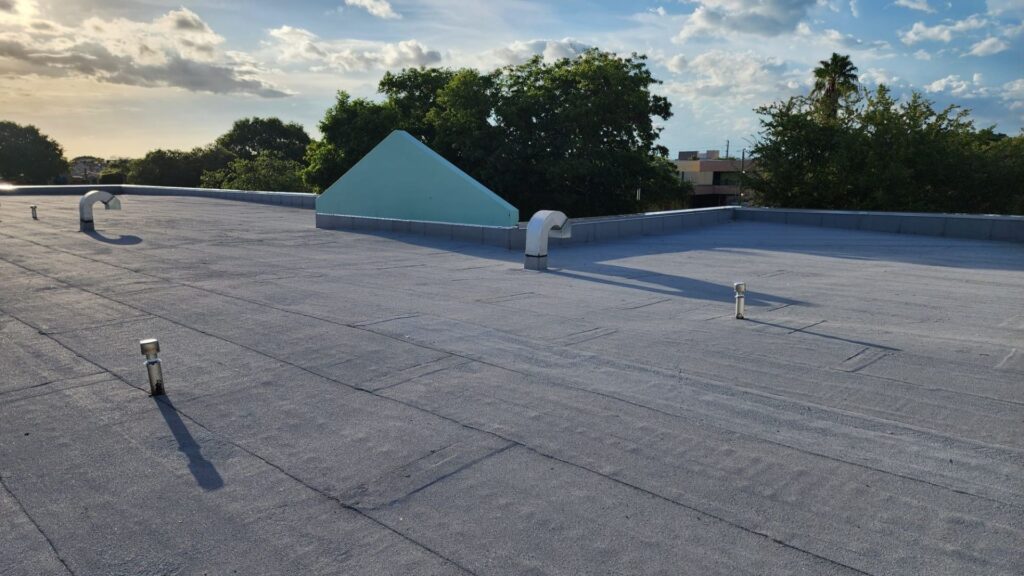
Flat Roof Systems Explained: TPO vs Modified Bitumen vs EPDM Not all flat roof systems perform the same way. However, many property owners choose materials without fully understanding the differences. Because each roofing system offers unique benefits and limitations, selecting the right one matters long-term. For this reason, understanding TPO, modified bitumen, and EPDM helps homeowners and commercial property owners make smarter roofing decisions. Why Flat Roof Systems Matter Roofing systems affect long-term performance Flat roofs handle water, heat, and weather differently than sloped roofs. Because of this, material selection directly impacts durability and maintenance needs. According to the National Roofing Contractors Association (NRCA), proper system selection improves roof lifespan and energy performance. Florida weather creates extra stress Heat, UV exposure, humidity, and storms place constant pressure on roofing systems. As a result, choosing the wrong material can lead to premature roof repair or roof replacement. TPO Roofing Systems TPO offers strong energy efficiency TPO roofing reflects sunlight effectively. Because of this, it helps reduce indoor heat buildup and cooling costs. According to Energy.gov, reflective roofing materials improve overall energy efficiency in warm climates. TPO works well for modern commercial roofs TPO membranes resist UV exposure and moisture. In addition, they provide clean seams and lightweight installation. However, installation quality remains critical for long-term performance. Modified Bitumen Roofing Systems Modified bitumen provides durability Modified bitumen roofs use reinforced asphalt layers for added strength. As a result, they perform well under foot traffic and changing weather conditions. This makes them common on commercial buildings and low-slope roofs. Maintenance still matters Although modified bitumen is durable, poor drainage can still create problems over time. Regular roof inspection helps identify cracks, pooling water, and surface wear early. EPDM Roofing Systems EPDM is known for flexibility EPDM roofing uses a rubber membrane designed to handle temperature changes effectively. Because of this, the material performs well under expansion and contraction. EPDM requires proper installation Poor seam installation can create leak risks over time. According to InterNACHI, weak seams are one of the most common failure points in membrane roofing systems. Choosing the Right Flat Roof System Every property has different needs The best roofing system depends on building design, budget, weather exposure, and long-term goals. An experienced roofing contractor can help determine which option fits your property best. Installation quality matters most Even the best material fails with poor workmanship. That’s why choosing experienced roofing contractors near me is just as important as selecting the roofing system itself. Protect Your Property With the Right Roofing System Flat roof systems require more than just good materials. They require proper installation, maintenance, and long-term planning. At Trade Productions, we install roofing systems built for Florida conditions. No shortcuts. No rushed work. Just quality craftsmanship designed to last. 📞 Contact Trade Productions today: (855) TRADE-FL📍 Schedule your roof inspection or estimate and find the right flat roof system for your property

roof repair solutions on Florida residential roof

Roof Repair Solutions: Temporary or Long-Term?

Roof Repair: Temporary Fix or Long-Term Solution? Not every roof repair solves the real problem. However, many homeowners don’t realize the difference between a temporary patch and a long-term solution. Because roofing issues often spread beneath the surface, quick fixes can lead to bigger repairs later. For this reason, understanding how roof repair works matters before making decisions. Why Some Roof Repairs Don’t Last Temporary fixes only address symptoms Some repairs stop a leak for the moment. However, they don’t fix the underlying issue causing the damage. As a result, moisture continues spreading underneath the roofing system. Weather accelerates the problem Florida heat, humidity, and storms put constant stress on roofing materials. Because of this, weak repairs often fail faster than expected. According to FEMA, water intrusion can continue through small openings even after visible leaks stop. When a Roof Repair Makes Sense The damage is isolated A targeted roof repair works well when the issue is limited to one area. For example, a few damaged shingles or minor flashing problems. In these cases, repairing the affected section may extend the roof’s lifespan. The roofing system is still in good condition If the roof structure remains strong, repairs can be a smart long-term option. According to the National Roofing Contractors Association (NRCA), maintenance and early repairs help prevent larger roofing failures. When a Temporary Fix Isn’t Enough Recurring leaks If the same leak keeps returning, the issue may go deeper than the surface. Instead of another patch, the roof may require a more complete solution. Widespread wear and deterioration Older roofs often develop multiple weak points at once. As a result, repeated roof repair costs can add up quickly. In many cases, roof replacement becomes the more practical investment. Hidden moisture damage Water often spreads beneath roofing materials before visible signs appear. According to InterNACHI, hidden moisture can damage insulation, decking, and structural components over time. Why Professional Roof Inspections Matter Inspections reveal the real condition A professional roof inspection identifies whether the problem is isolated or part of a larger issue. Because of this, homeowners avoid wasting money on short-term repairs that won’t last. Experience makes a difference An experienced roofing contractor understands the difference between cosmetic damage and structural concerns. That’s especially important in Florida’s harsh weather conditions. Choose Solutions That Actually Protect Your Home A temporary repair may seem cheaper today. However, poor repairs often lead to higher costs later. At Trade Productions, we focus on real solutions built to last. No shortcuts. No guesswork. Just roofing work done the right way. 📞 Contact Trade Productions today: (855) TRADE-FL📍 Schedule your roof inspection or estimate and get a clear recommendation you can trust

Scroll to Top