Storm Damage

Preparing your roof for hurricane season helps Florida homeowners prevent storm damage

Preparing Your Roof for Hurricane Season the Right Way

Preparing Your Roof for Hurricane Season Before Problems Start Hurricane season does not wait for homeowners to fix roofing problems. Small weaknesses can quickly become major damage once strong winds and heavy rain arrive. Because of this, preparing your roof before storm season starts is one of the smartest ways to protect your home. A professional roof inspection can help identify hidden issues early and reduce the risk of expensive repairs later. Small Roofing Problems Get Worse During Storms Loose shingles, cracked flashing, and weak roof edges may not seem serious during normal weather. However, hurricanes place extreme pressure on every part of the roofing system. Strong winds can lift materials and allow water to enter underneath the surface. Once moisture reaches the decking, damage spreads quickly. According to the Federal Emergency Management Agency, homeowners should inspect and strengthen roofing systems before hurricane season begins to reduce storm damage risks. Warning Signs You Should Not Ignore Before storm season starts, homeowners should watch for: Missing or loose shingles Cracked tile or flashing Interior water stains Sagging roof areas Clogged gutters and drainage Previous roof repair issues If these problems already exist, storms will usually make them worse. Roof Inspections Help Prevent Bigger Damage A professional roofing contractor looks beyond visible materials. Roof inspections help identify hidden moisture, weak decking, and ventilation issues before storms expose them further. According to the National Roofing Contractors Association, regular inspections and maintenance help extend roof lifespan and improve storm resistance. Many homeowners searching for roofing contractors near me wait until leaks appear inside the home. Unfortunately, by then, damage may already affect insulation, decking, and structural areas. Roof Maintenance Improves Protection Simple maintenance steps make a big difference before hurricane season. Contractors may secure flashing, replace damaged shingles, clean drainage systems, and reinforce weak areas. The International Association of Certified Home Inspectors also recommends routine roof inspections after major storms and before severe weather seasons begin. Protect Your Roof Before Storms Arrive Florida roofs face intense weather every year. Waiting until hurricane season starts often leads to more expensive roof repair or roof replacement work later. At Trade Productions, we help homeowners prepare their roofing systems for Florida conditions with professional roof inspections, roof repair, and quality workmanship built to last. Contact Trade Productions today: (855) TRADE-FL to schedule a roof inspection or estimate before hurricane season begins.

storm damage roof repair after repeated Florida storms

Storm Damage Roof Repair After Repeated Storms

Storm Damage Roof Repair: Why Some Roofs Fail Faster After Repeated Storms One storm may damage a roof. However, repeated storms slowly weaken the entire roofing system. In Florida, constant wind, rain, heat, and flying debris create long-term stress that many homeowners never notice. Because of this, small issues often become major failures after the next storm hits. That is why storm damage roof repair should never wait. Storm Damage Builds Over Time Minor damage keeps adding up A single storm may loosen shingles, damage flashing, or weaken sealants. At first, the damage may seem small. However, repeated exposure creates larger problems beneath the surface. According to FEMA, storm damage often accumulates over time instead of appearing all at once. Water intrusion weakens the roofing system Once moisture enters the roof system, decking and underlayment begin to deteriorate. Because Florida humidity stays high year-round, trapped moisture spreads quickly. Why Some Roofs Fail Faster Poor installation creates weak points Improper installation leaves roofing systems vulnerable during high winds and heavy rain. Loose flashing, poor ventilation, and incorrect fasteners often fail first during storms. According to NRCA, installation quality directly affects roofing system performance and lifespan. Older roofs lose storm resistance Roofing materials naturally weaken with age and repeated exposure. As shingles, tiles, or membranes wear down, they become less capable of handling severe weather conditions. That is why roof inspection services become more important after every major storm season. Hidden Damage Most Homeowners Miss Damage is not always visible from the ground Many roofs look fine after a storm while hidden issues continue developing underneath. Common hidden problems include: Soft decking Moisture trapped inside insulation Loose flashing Small punctures from debris Lifted roofing materials According to InterNACHI, hidden moisture damage can remain unnoticed for months before interior leaks appear. Why Fast Roof Repair Matters Delays increase repair costs Small storm-related damage often turns into structural problems if repairs wait too long. In many cases, homeowners end up needing roof replacement instead of simple roof repair. Professional inspections catch early warning signs Experienced roofing contractors near me know how to identify storm-related damage before it becomes severe. A professional roof inspection helps protect both the home and the roofing investment. Protect Your Roof Before the Next Storm Hits Florida storms do not just test roofing materials. They test the quality of the entire roofing system. At Trade Productions, we inspect roofs thoroughly, repair storm damage correctly, and help homeowners protect their property long-term. 📞 Contact Trade Productions today: (855) TRADE-FL📍 Schedule a professional roof inspection and storm damage roof repair estimate before hidden problems grow worse

storm damage roof repair after hidden roofing damage

Storm Damage Roof Repair: Hidden Roof Problems

Storm Damage Roof Repair: The Hidden Damage Florida Homeowners Miss Most Storm damage is not always obvious after severe weather passes. However, many roofing problems begin in areas homeowners never see from the ground. Because Florida roofs face constant wind, rain, and hurricane exposure, hidden damage can quietly weaken the roofing system for months before leaks appear. For this reason, storm damage roof repair should never be delayed after major weather events. Storm Damage Often Starts Beneath the Surface Roofing systems absorb more impact than homeowners realize Strong wind, flying debris, and heavy rain place extreme stress on roofing systems during Florida storms. As a result, damage may develop underneath shingles, tile, flashing, or underlayment. According to FEMA, even moderate storm damage can increase future roofing vulnerability if repairs are delayed. Hidden moisture spreads quickly Water intrusion often begins in small openings around vents, valleys, or flashing. However, trapped moisture continues spreading beneath the surface long before interior leaks appear. The Most Common Hidden Roofing Problems Lifted roofing materials Strong winds can loosen shingles, tile, or metal panels without fully removing them. Because of this, water begins entering vulnerable areas during future storms. Damaged flashing and sealants Flashing protects roof penetrations, edges, and valleys from moisture intrusion. However, storm pressure frequently weakens these areas first. According to the National Roofing Contractors Association (NRCA), flashing failures remain one of the leading causes of roof leaks. Moisture trapped inside the roof system Storm-related moisture often becomes trapped beneath roofing materials and insulation. Over time, trapped humidity weakens decking, underlayment, and structural components. Structural roof decking damage Repeated storm exposure can weaken the wood decking beneath the roofing system. According to InterNACHI, hidden moisture and structural deterioration may continue developing even after visible roof surfaces appear normal. Why Florida Homeowners Need Fast Roof Inspection Delayed repairs create larger problems Small storm-related issues often turn into major roof repair expenses when left untreated. That includes mold growth, structural deterioration, and interior water damage. Professional inspections catch hidden issues early Experienced roofing contractors near me inspect more than visible roofing materials. A proper roof inspection checks flashing, moisture intrusion, drainage systems, and structural integrity after severe weather. Protect Your Roof After the Next Storm Storm damage is not always easy to spot. However, hidden roofing problems rarely fix themselves. At Trade Productions, we perform detailed storm damage roof repair and roof inspection services designed for Florida conditions. No shortcuts. No rushed repairs. Just roofing systems repaired the right way. 📞 Contact Trade Productions today: (855) TRADE-FL📍 Schedule your professional roof inspection after severe weather and protect your home from hidden roofing damage

storm damage on roofs after repeated hurricanes in Florida

Storm Damage on Roofs: Long-Term Effects

The Long-Term Effects of Repeated Storm Damage on Roofs Storm damage does not always happen all at once. However, repeated exposure to heavy rain, strong winds, and hurricanes slowly weakens roofing systems over time. Because many problems stay hidden after each storm, damage continues building beneath the surface. For this reason, homeowners should understand how recurring storm damage affects long-term roof performance. Why Repeated Storm Damage Matters Roof systems weaken over time Every storm places stress on roofing materials. Even when damage looks minor, repeated exposure slowly reduces the roof’s ability to protect the home. As a result, small weaknesses become larger structural problems. Hidden damage continues spreading A roof may survive one storm without visible leaks. However, loosened shingles, damaged flashing, or weakened seals often remain unnoticed. According to FEMA, water intrusion can continue through small openings long after a storm passes. Common Long-Term Effects of Storm Damage Moisture trapped beneath roofing materials Storm-driven rain often enters hidden areas beneath shingles or underlayment. Because of this, moisture may damage insulation, decking, and structural components over time. Faster material deterioration Florida heat and humidity accelerate wear after storms. As a result, roofing materials may age faster than expected. This often increases the need for roof repair or premature roof replacement. Flashing and seal failure Flashing protects roof penetrations and edges. However, repeated storm pressure weakens these vulnerable areas. Over time, failed flashing becomes one of the leading causes of roof leaks. Structural weakening Moisture buildup and repeated wind stress gradually weaken roof decking and support systems. According to InterNACHI, hidden structural deterioration often develops before homeowners notice visible signs inside the home. Why Florida Roofs Face Higher Risk Hurricanes create repeated stress Florida roofs experience severe weather conditions year after year. Because of this, even well-built roofs require regular maintenance and inspections. Storm damage is cumulative over time. Small repairs become major costs Ignoring minor storm damage often leads to expensive repairs later. According to the National Roofing Contractors Association (NRCA), early inspections help reduce long-term roofing costs and extend roof lifespan. How Homeowners Can Protect Their Roof Schedule regular roof inspections A professional roof inspection helps identify hidden storm damage before it spreads further. This is especially important after hurricanes or severe weather events. Work with an experienced roofing contractor Not all storm damage is easy to spot. A skilled roofing contractor understands how repeated storms affect roofing systems over time. That experience matters in Florida conditions. Protect Your Roof Before Storm Damage Gets Worse Repeated storms slowly weaken even strong roofing systems. However, regular inspections and quality repairs help protect your home long-term. At Trade Productions, we build and repair roofs designed for Florida weather. No shortcuts. No rushed work. Just roofing systems built to last. 📞 Contact Trade Productions today: (855) TRADE-FL📍 Schedule your roof inspection or storm damage assessment before hidden issues become major repairs

Hail Damage Roof Repair: What to Know in Florida

Hail Damage Roof Repair: What Florida Homeowners Should Know Hailstorms may not happen every day in Florida. However, when they do, they can cause serious roof damage. Because hail impacts surfaces with force, it can weaken roofing materials and create hidden issues. For this reason, homeowners should understand when hail damage roof repair is necessary. How Hail Damages a Roof Hail can damage different roofing materials in different ways. The impact may not always be obvious from the ground. Common types of hail damage include: Dents or cracks in shingles or metal panels Granule loss on asphalt shingles Damaged flashing and roof edges Small punctures that allow water intrusion According to the National Roofing Contractors Association (NRCA), impact damage can weaken roofing materials and reduce their lifespan. Signs You Should Not Ignore After a hailstorm, some signs appear quickly, while others take time to develop. Look for: Loose or damaged shingles Water stains on ceilings Debris buildup on the roof Visible impact marks Even if the damage seems minor, it can lead to bigger problems over time. Hidden Damage Is Common Hail damage often affects layers beneath the surface. For example, small cracks can allow water to enter the roofing system. Storm damage can compromise roofing systems even when visible damage is limited. As a result, hidden issues may lead to leaks and structural damage. Why Inspections Matter After Hail A professional roof inspection is the best way to detect hail damage. Contractors evaluate all parts of the roofing system, not just what is visible. Early inspection helps prevent long-term damage and costly repairs. Homeowners searching for roofing contractors near me should schedule inspections immediately after a hail event. Act Quickly to Prevent Further Damage Delaying repairs allows moisture to spread and weaken the structure. What starts as minor damage can lead to extensive roof leak repair or even full replacement. Taking action early helps reduce repair costs and protect your home. Protect Your Roof After Every Storm At Trade Productions, we specialize in identifying and repairing hail damage before it becomes a serious problem. Our team provides detailed inspections and reliable solutions built for Florida’s climate. If your home has experienced a hailstorm or you are searching for hail damage roof repair, contact Trade Productions today to schedule a professional inspection and protect your roof before damage worsens.

Emergency Roof Repair: What to Do After a Storm

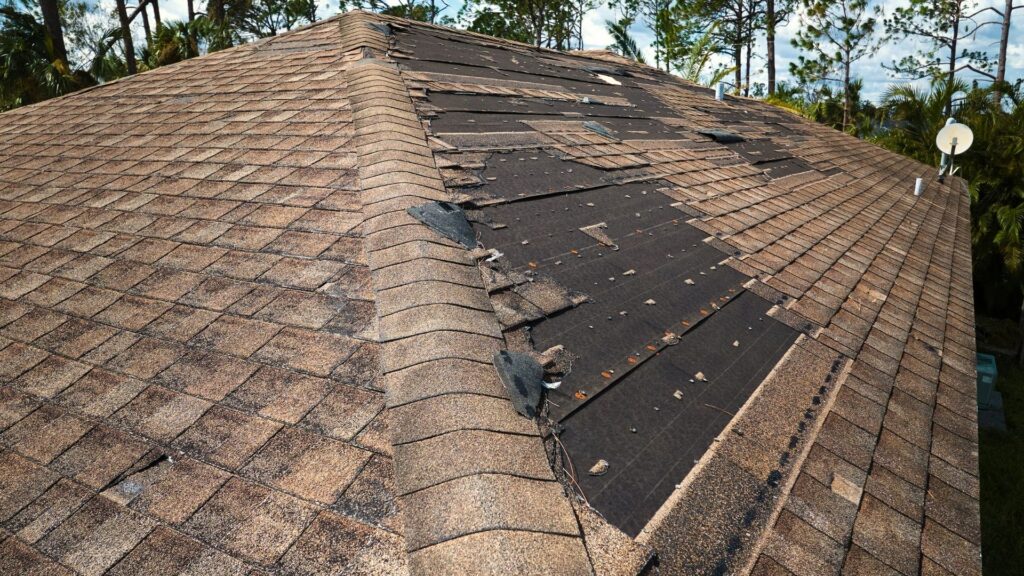
Emergency Roof Repair: What to Do After a Major Storm After a major storm, roof damage can happen quickly and without warning. High winds, heavy rain, and debris can compromise your roofing system. When damage occurs, taking immediate action is critical. Knowing what to do can help prevent further issues and reduce the need for extensive emergency roof repair. Step 1: Stay Safe and Assess From a Distance Safety should always come first. Do not climb onto the roof after a storm. Instead, inspect your home from the ground. Look for: Missing or displaced roofing materials Visible debris on the roof Sagging areas or structural concerns Water stains inside the home According to the Federal Emergency Management Agency (FEMA), homeowners should avoid unsafe conditions and assess storm damage carefully before taking action. Step 2: Prevent Further Damage If you notice active leaks, take temporary steps to protect your home. This may include placing containers to collect water or covering affected areas inside. Professional contractors may use temporary solutions such as tarping to prevent additional water intrusion. Quick action can reduce the extent of roof leak repair needed later. Step 3: Schedule a Professional Roof Inspection After any major storm, a professional roof inspection is essential. Even if damage is not visible, hidden issues may exist. The National Roofing Contractors Association (NRCA) explains that inspections help identify underlying damage that can worsen over time. Homeowners searching for roofing contractors near me should prioritize experienced professionals who understand storm damage. Step 4: Document the Damage Take photos of any visible damage. This documentation may be useful for insurance claims and repair assessments. Clear records help ensure accurate evaluations and faster processing. Step 5: Contact a Trusted Roofing Contractor Emergency situations require fast and reliable service. Working with experienced contractors ensures the problem is addressed correctly. A qualified contractor will assess the damage, recommend solutions, and begin the storm damage roof repair process. Act Quickly to Protect Your Home Delaying repairs after a storm can lead to serious structural issues. Water intrusion can spread quickly and cause long-term damage. At Trade Productions, we provide fast and reliable emergency roof repair services to protect your home when it matters most. Our team responds quickly and delivers solutions built for Florida’s toughest conditions. If your home has been affected by a storm, contact Trade Productions today for a professional inspection and immediate assistance.

Roof Replacement: Does It Improve Hurricane Protection?

Does a New Roof Increase Home Protection During Hurricane Season? In Florida, hurricane season puts every home to the test. Strong winds, heavy rain, and flying debris can quickly expose weaknesses in a roofing system. Because of this, many homeowners ask the same question: does a new roof replacement actually improve protection? The answer depends on how the roof is built. It’s Not Just About New Materials A new roof can improve protection. However, materials alone do not guarantee performance. Instead, the strength of a roofing system depends on how every layer works together. This includes fastening, underlayment, flashing, and ventilation. Proper installation ensures the entire roofing system performs as intended. Wind Uplift Resistance Matters Most During a hurricane, wind uplift is one of the biggest threats. Strong winds create pressure that can lift roofing materials off the structure. For this reason, modern roof installation methods focus on secure fastening patterns and stronger attachment systems. The Federal Emergency Management Agency (FEMA) explains that roofs built with proper connections and fastening systems perform better during high-wind events. Updated Building Codes Make a Difference Florida has strict building codes designed for hurricane-prone areas. New roofs must meet these updated standards. As a result, a newer roof often performs better than an older one simply because it follows stronger code requirements. These updates improve resistance to wind, water intrusion, and structural failure. Weak Points Still Need Attention Even with a new roof, certain areas remain vulnerable. These include: Roof edges Flashing around openings Roof valleys If contractors do not install these areas correctly, the roof can still fail under pressure. For this reason, choosing experienced roofing contractors near me is critical. A New Roof Helps, If Done Right A properly installed roof can significantly improve protection during hurricane season. It reduces the risk of wind damage, water intrusion, and structural issues. However, poor installation can cancel out these benefits. In other words, a new roof only performs well if it is built correctly. Protect Your Home the Right Way At Trade Productions, we build roofing systems designed for Florida’s toughest conditions. We focus on proper installation, strong fastening, and long-term durability. If you are considering a roof replacement or searching for trusted roofing contractors near me, contact Trade Productions today to schedule a professional inspection and ensure your home is ready for hurricane season.

Storm Damage Roof Repair: Wind vs Water Damage

Wind Damage vs Water Damage: How Storms Affect Your Roof Storms in Florida can cause different types of damage to roofing systems. Two of the most common are wind damage and water damage. Understanding the difference is important when determining if you need storm damage roof repair after severe weather. What Is Wind Damage? Wind damage occurs when strong gusts lift, loosen, or remove roofing materials. Even moderate winds can break the seal between shingles or panels. Common signs of wind damage include: Missing or lifted shingles Loose metal panels Exposed fasteners Damaged roof edges According to the Federal Emergency Management Agency (FEMA), wind uplift can compromise roofing systems and increase the risk of further damage during storms. Once materials are loosened, the roof becomes more vulnerable to water intrusion. What Is Water Damage? Water damage happens when moisture enters the roofing system. This can occur after heavy rain or when wind damage creates openings in the roof. Signs of water damage include: Water stains on ceilings Mold or mildew in the attic Soft or weakened roof decking Insulation damage The National Roofing Contractors Association (NRCA) explains that water infiltration can weaken structural components and lead to long-term damage if not addressed. How Wind and Water Damage Work Together In many cases, wind and water damage are connected. Wind often creates the initial problem by loosening materials. Once the roof is compromised, water can enter and cause hidden damage beneath the surface. This combination is one of the main reasons homeowners need professional roof inspection services after storms. Why Early Detection Matters Ignoring storm damage can lead to serious problems over time. Moisture can spread through the roof deck and interior structure. What starts as minor damage can turn into major roof leak repair or even require full replacement. The International Association of Certified Home Inspectors (InterNACHI) notes that early inspection helps identify damage before it worsens. Protect Your Roof After Every Storm After any severe weather event, it is important to assess the condition of your roof, even if no damage is visible. At Trade Productions, we provide detailed inspections to identify wind and water damage before it becomes a costly problem. Our team focuses on protecting homes with roofing systems built for Florida’s toughest conditions. If you suspect storm damage or are searching for roofing contractors near me, contact Trade Productions today to schedule a professional inspection and determine if storm damage roof repair is needed.

Storm Damage Roof Repair: Most Vulnerable Areas

The Most Vulnerable Parts of a Roof During a Storm During a storm, not all parts of your roof face the same level of stress. Certain areas are more exposed to wind, rain, and debris. Understanding these weak points helps homeowners prevent damage and reduce the need for storm damage roof repair. Roof Edges and Perimeter Roof edges are one of the most vulnerable areas during high winds. Wind pressure is strongest at the perimeter, which can lift roofing materials. Once the edge is compromised, the rest of the roof becomes more exposed. Wind uplift often starts at roof edges and can spread across the entire system. Flashing Around Openings Flashing protects areas where the roof meets other structures, such as chimneys, vents, and skylights. If flashing is loose or improperly installed, water can easily enter the roofing system. Flashing failures are a common source of leaks after severe weather. Roof Valleys Valleys are where two roof slopes meet. These areas naturally collect and channel water. During heavy rain, valleys handle large volumes of water. If they are not properly sealed, leaks can develop quickly. This is one of the most common areas requiring roof leak repair after storms. Roofing Materials and Fasteners Shingles, tiles, or metal panels rely on proper fastening to stay in place. High winds can loosen these materials or expose fasteners. Once fasteners are compromised, the roofing system becomes vulnerable to both wind and water damage. The International Association of Certified Home Inspectors (InterNACHI) explains that loose materials can lead to rapid deterioration during storms. Underlayment and Secondary Protection Underlayment acts as a backup barrier when the outer layer is damaged. If water reaches this layer, it can still protect the roof temporarily. However, once underlayment fails, water can reach the roof deck and cause structural damage. Protect Your Roof Before the Next Storm Knowing the most vulnerable areas of your roof helps you take preventive action before severe weather arrives. A professional roof inspection can identify weak points and ensure your roofing system is ready for Florida’s storms. At Trade Productions, we focus on building strong roofing systems designed to withstand extreme conditions. Our team identifies vulnerabilities and provides solutions that protect your home long-term. If you are searching for roofing contractors near me or want to prepare your roof for storm season, contact Trade Productions today to schedule a professional inspection.

Storm Damage Roof Repair: Signs After High Winds

High winds can cause serious damage to your roof, even if the effects are not immediately visible. After a storm, it is important to check for warning signs that may require storm damage roof repair. Ignoring early damage can lead to leaks, structural issues, and costly repairs. Lifted or Missing Roofing Materials Strong winds can loosen or remove shingles, tiles, or metal panels. Even if materials remain in place, they may no longer be properly sealed. Look for: Missing shingles Lifted edges Loose metal panels Wind uplift can weaken roofing systems and increase the risk of further damage during future storms. Damaged or Loose Flashing Flashing protects key areas such as vents, chimneys, and roof edges. High winds can loosen or bend these components. When flashing fails, water can enter the roofing system and cause hidden damage. Flashing failures are a common cause of roof leaks after severe weather. Debris Impact Damage Flying debris can hit the roof during storms. This can cause small punctures or surface damage that may not be visible from the ground. These small openings allow moisture to enter and weaken the structure over time. Interior Warning Signs Not all damage is visible outside. Check inside your home for: Water stains on ceilings Damp insulation Musty odors These signs often indicate the need for roof leak repair. Why You Should Act Quickly Wind damage can worsen over time. Loose materials allow water to enter the roofing system, leading to structural deterioration. An early detection helps prevent long-term damage and costly repairs. Homeowners searching for roofing contractors near me should schedule inspections as soon as possible after a storm. Protect Your Home After High Winds After severe weather, a professional inspection is the best way to ensure your roof is still performing properly. At Trade Productions, we specialize in identifying storm damage and providing reliable storm damage roof repair solutions. Our team responds quickly and focuses on long-term protection. If your home has experienced high winds, contact Trade Productions today to schedule a professional inspection and protect your roof before small issues become major problems.

Scroll to Top