roof repair near me

Emergency Roof Repair: What to Do After a Storm

Emergency Roof Repair: What to Do After a Major Storm After a major storm, roof damage can happen quickly and without warning. High winds, heavy rain, and debris can compromise your roofing system. When damage occurs, taking immediate action is critical. Knowing what to do can help prevent further issues and reduce the need for extensive emergency roof repair. Step 1: Stay Safe and Assess From a Distance Safety should always come first. Do not climb onto the roof after a storm. Instead, inspect your home from the ground. Look for: Missing or displaced roofing materials Visible debris on the roof Sagging areas or structural concerns Water stains inside the home According to the Federal Emergency Management Agency (FEMA), homeowners should avoid unsafe conditions and assess storm damage carefully before taking action. Step 2: Prevent Further Damage If you notice active leaks, take temporary steps to protect your home. This may include placing containers to collect water or covering affected areas inside. Professional contractors may use temporary solutions such as tarping to prevent additional water intrusion. Quick action can reduce the extent of roof leak repair needed later. Step 3: Schedule a Professional Roof Inspection After any major storm, a professional roof inspection is essential. Even if damage is not visible, hidden issues may exist. The National Roofing Contractors Association (NRCA) explains that inspections help identify underlying damage that can worsen over time. Homeowners searching for roofing contractors near me should prioritize experienced professionals who understand storm damage. Step 4: Document the Damage Take photos of any visible damage. This documentation may be useful for insurance claims and repair assessments. Clear records help ensure accurate evaluations and faster processing. Step 5: Contact a Trusted Roofing Contractor Emergency situations require fast and reliable service. Working with experienced contractors ensures the problem is addressed correctly. A qualified contractor will assess the damage, recommend solutions, and begin the storm damage roof repair process. Act Quickly to Protect Your Home Delaying repairs after a storm can lead to serious structural issues. Water intrusion can spread quickly and cause long-term damage. At Trade Productions, we provide fast and reliable emergency roof repair services to protect your home when it matters most. Our team responds quickly and delivers solutions built for Florida’s toughest conditions. If your home has been affected by a storm, contact Trade Productions today for a professional inspection and immediate assistance.

Storm Damage Roof Repair: Wind vs Water Damage

Wind Damage vs Water Damage: How Storms Affect Your Roof Storms in Florida can cause different types of damage to roofing systems. Two of the most common are wind damage and water damage. Understanding the difference is important when determining if you need storm damage roof repair after severe weather. What Is Wind Damage? Wind damage occurs when strong gusts lift, loosen, or remove roofing materials. Even moderate winds can break the seal between shingles or panels. Common signs of wind damage include: Missing or lifted shingles Loose metal panels Exposed fasteners Damaged roof edges According to the Federal Emergency Management Agency (FEMA), wind uplift can compromise roofing systems and increase the risk of further damage during storms. Once materials are loosened, the roof becomes more vulnerable to water intrusion. What Is Water Damage? Water damage happens when moisture enters the roofing system. This can occur after heavy rain or when wind damage creates openings in the roof. Signs of water damage include: Water stains on ceilings Mold or mildew in the attic Soft or weakened roof decking Insulation damage The National Roofing Contractors Association (NRCA) explains that water infiltration can weaken structural components and lead to long-term damage if not addressed. How Wind and Water Damage Work Together In many cases, wind and water damage are connected. Wind often creates the initial problem by loosening materials. Once the roof is compromised, water can enter and cause hidden damage beneath the surface. This combination is one of the main reasons homeowners need professional roof inspection services after storms. Why Early Detection Matters Ignoring storm damage can lead to serious problems over time. Moisture can spread through the roof deck and interior structure. What starts as minor damage can turn into major roof leak repair or even require full replacement. The International Association of Certified Home Inspectors (InterNACHI) notes that early inspection helps identify damage before it worsens. Protect Your Roof After Every Storm After any severe weather event, it is important to assess the condition of your roof, even if no damage is visible. At Trade Productions, we provide detailed inspections to identify wind and water damage before it becomes a costly problem. Our team focuses on protecting homes with roofing systems built for Florida’s toughest conditions. If you suspect storm damage or are searching for roofing contractors near me, contact Trade Productions today to schedule a professional inspection and determine if storm damage roof repair is needed.

Roof Repair Near Me: What Happens If You Wait

What Happens If You Ignore Minor Roof Damage? Minor roof damage may not seem urgent. A small leak or a loose shingle can feel easy to ignore. However, roofing problems rarely stay small. If you delay action, that minor issue can quickly turn into a major repair. If you are searching for roof repair near me, your roof may already be past the early stage. Here is what typically happens over time. Month 1: Small Damage Begins First, the damage may be barely noticeable. A loose shingle, minor crack, or small gap allows moisture to enter. At this stage, the issue is usually easy to fix with basic roof repair. Months 2–3: Moisture Spreads Water begins to move beneath the roofing materials. It affects underlayment and may start reaching the roof deck. According to the National Roofing Contractors Association (NRCA), moisture intrusion can weaken roofing systems and reduce their lifespan if not addressed early. Months 4–6: Structural Impact As moisture spreads, it begins to affect structural components. The roof deck may soften, and insulation may become damaged. You may start noticing: Water stains inside the home Musty odors Increased humidity Prolonged moisture exposure can lead to structural deterioration. At this point, repairs are more expensive. 6+ Months: Major Damage Develops If the issue continues, the damage becomes severe. Water intrusion can spread across multiple areas of the roof. What started as a small problem may now require partial or full roof replacement. Delayed repairs can increase the risk of structural failure during storms, and costs rise significantly at this stage. Why Acting Early Saves Money Early action prevents small problems from becoming major repairs. A simple inspection can identify issues before they escalate. Homeowners searching for roofing contractors near me should not wait until visible damage appears. Protect Your Home Before It Gets Worse At Trade Productions, we help homeowners catch roofing problems early. Our inspections focus on identifying damage before it spreads. If you have noticed even minor issues or are searching for roof repair near me, contact Trade Productions today to schedule a professional inspection and protect your home before small damage becomes a major expense.

Storm Damage Roof Repair: Signs After High Winds

High winds can cause serious damage to your roof, even if the effects are not immediately visible. After a storm, it is important to check for warning signs that may require storm damage roof repair. Ignoring early damage can lead to leaks, structural issues, and costly repairs. Lifted or Missing Roofing Materials Strong winds can loosen or remove shingles, tiles, or metal panels. Even if materials remain in place, they may no longer be properly sealed. Look for: Missing shingles Lifted edges Loose metal panels Wind uplift can weaken roofing systems and increase the risk of further damage during future storms. Damaged or Loose Flashing Flashing protects key areas such as vents, chimneys, and roof edges. High winds can loosen or bend these components. When flashing fails, water can enter the roofing system and cause hidden damage. Flashing failures are a common cause of roof leaks after severe weather. Debris Impact Damage Flying debris can hit the roof during storms. This can cause small punctures or surface damage that may not be visible from the ground. These small openings allow moisture to enter and weaken the structure over time. Interior Warning Signs Not all damage is visible outside. Check inside your home for: Water stains on ceilings Damp insulation Musty odors These signs often indicate the need for roof leak repair. Why You Should Act Quickly Wind damage can worsen over time. Loose materials allow water to enter the roofing system, leading to structural deterioration. An early detection helps prevent long-term damage and costly repairs. Homeowners searching for roofing contractors near me should schedule inspections as soon as possible after a storm. Protect Your Home After High Winds After severe weather, a professional inspection is the best way to ensure your roof is still performing properly. At Trade Productions, we specialize in identifying storm damage and providing reliable storm damage roof repair solutions. Our team responds quickly and focuses on long-term protection. If your home has experienced high winds, contact Trade Productions today to schedule a professional inspection and protect your roof before small issues become major problems.

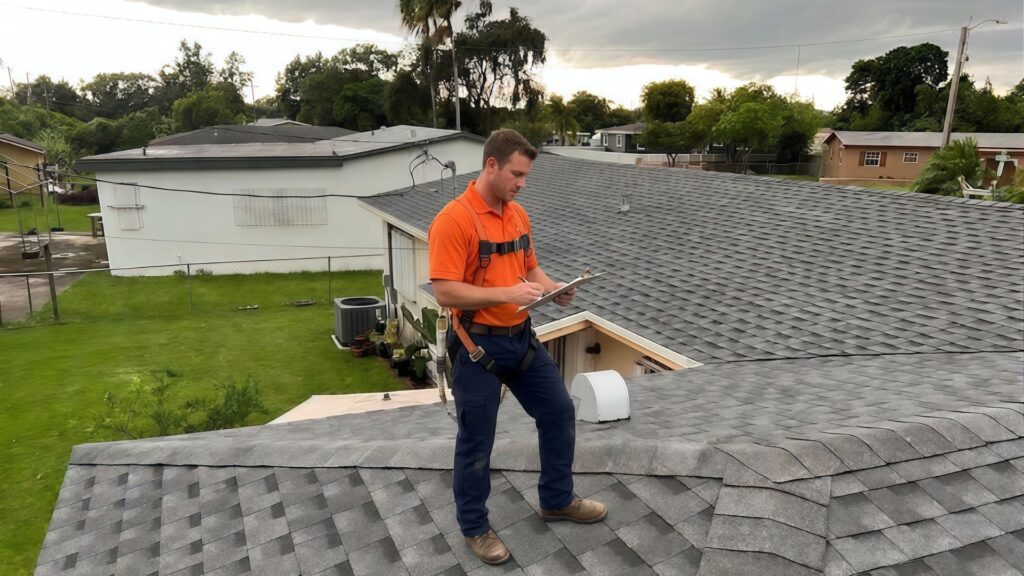
roof inspection after storm damage showing hidden issues

Storm Damage Roof Repair: Hidden Damage Signs

What Happens to Your Roof After a Severe Storm (Even If You See No Damage) After a severe storm passes, many homeowners look at their roof and assume everything is fine. There are no missing shingles, no visible damage, and no immediate leaks. However, storms often cause hidden issues that require storm damage roof repair, even when the surface appears intact. Why Storm Damage Isn’t Always Visible Strong winds and heavy rain can weaken roofing systems without obvious signs. Wind pressure can loosen materials, while water can enter through small openings. These problems often develop beneath the surface and may not appear until weeks or months later. According to the Federal Emergency Management Agency (FEMA), storm damage can compromise roofing systems even when visible damage is minimal. Common Hidden Damage After a Storm After severe weather, roofing contractors often find: Lifted shingles or panels that are no longer sealed properly Damaged underlayment beneath the roofing material Loose flashing around vents and roof edges Small punctures caused by debris Moisture trapped inside the roof system These issues can eventually lead to leaks and structural damage. The Risk of Delayed Repairs Ignoring hidden damage can lead to more serious problems over time. Moisture can spread through the roof deck and insulation, weakening the structure. What starts as minor damage can quickly turn into major roof leak repair or even full roof replacement. The National Roofing Contractors Association (NRCA) explains that early inspections help identify damage before it worsens and becomes more expensive to repair. Why a Roof Inspection Is Critical A professional roof inspection after a storm helps detect problems that homeowners cannot see. Contractors check all layers of the roofing system, including materials, flashing, and structural components. This ensures that hidden damage is identified early. Homeowners searching for roofing contractors near me should schedule inspections after any major storm, even if no damage is visible. Protect Your Home After Every Storm In Florida, storms are part of life. The key is acting early before hidden damage becomes a costly problem. At Trade Productions, we perform detailed inspections to identify storm-related damage and provide reliable solutions. Our team focuses on protecting homes with roofing systems built to withstand extreme conditions. If your home has recently experienced severe weather, contact Trade Productions today to schedule a professional inspection and determine if storm damage roof repair is needed.

Roofing contractor evaluating whether a roof needs repair or full replacement

Roof Repair or Roof Replacement: Which Do You Need?

Roof Repair or Roof Replacement? How to Know What Your Roof Really Needs When homeowners notice damage on their roof, one of the first questions they ask is whether the problem can be fixed with a simple roof repair or if a full roof replacement is necessary. Understanding the difference can help you make the right decision for your home and avoid unnecessary expenses. When Roof Repair Is the Right Solution In many cases, roofing problems can be addressed with targeted repairs. Minor damage caused by storms, small leaks, or a few missing shingles may not require replacing the entire roof. Common situations where roof repair is usually sufficient include: Small localized leaks Minor storm damage Loose or missing shingles Small flashing issues around vents or chimneys If the roof structure is still in good condition and the damage is limited to a specific area, a professional roofing contractor may recommend repairing the affected section. When Roof Replacement Becomes Necessary However, not all roofing problems can be solved with repairs. Over time, roofing materials naturally deteriorate due to sun exposure, heavy rain, wind, and temperature changes. A roof replacement may be necessary when: The roof is approaching the end of its lifespan Damage is widespread across multiple sections There are recurring leaks or structural issues The roof deck has been compromised Replacing the roof ensures the entire system, including underlayment, flashing, and ventilation—functions properly and provides long-term protection. Age Is an Important Factor Roof age is often one of the most important considerations when deciding between repair and replacement. For example, asphalt shingle roofs typically last 20–30 years, depending on installation quality and weather exposure. Metal roofing systems can last significantly longer but still require inspection if damage occurs. If a roof is already near the end of its expected lifespan, repeated repairs may become more expensive than investing in a replacement. Why Professional Inspections Matter Determining the right solution requires professional evaluation. Experienced roofing contractors can identify underlying damage that may not be visible from the ground. A proper inspection allows contractors to assess the condition of the roofing materials, underlayment, flashing, and structural components before recommending the best course of action. Work With Experienced Roofing Professionals At Trade Productions, we believe homeowners deserve honest evaluations and reliable craftsmanship. Our team takes pride in providing clear guidance based on the actual condition of your roof, not guesswork. Whether you need roof repair, roof replacement, or a professional inspection, our experienced roofing contractors are ready to help. Contact Trade Productions today to schedule a roof inspection and receive a professional roof estimate.

Scroll to Top