
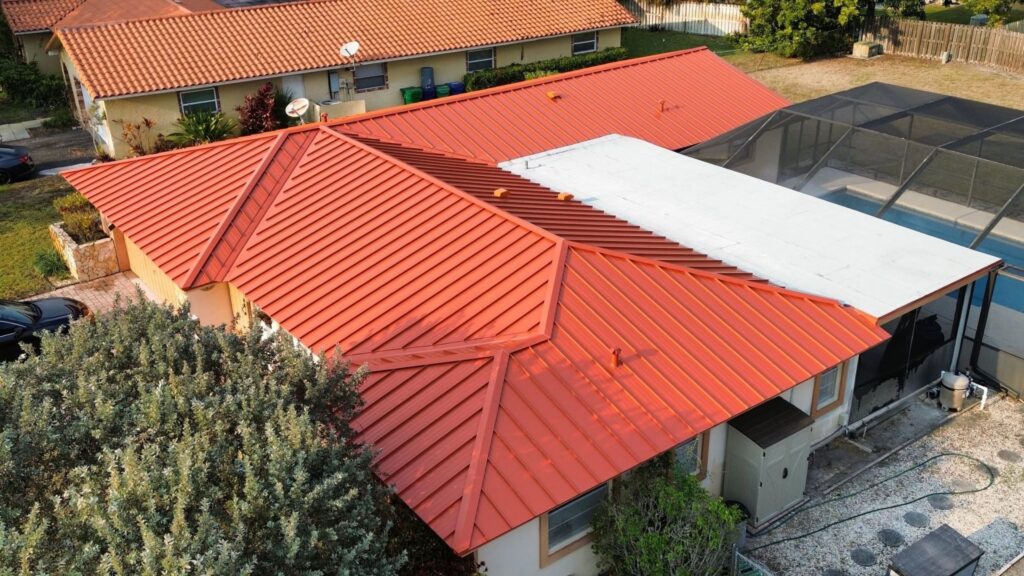
Roofing System Installation: What Happens Underneath
What Happens Underneath a Roofing System During Installation Most homeowners focus on the finished roof. They see shingles, tiles, or metal panels and assume that is what protects their home. However, the real protection comes from the layers underneath. A professional roofing system installation involves several components working together. When installed correctly, they help prevent leaks, moisture damage, and premature roof failure. Understanding these hidden layers can help homeowners make better decisions when choosing a roofing contractor. The Roof Deck Creates the Foundation Every roofing system starts with the roof deck. This structural layer supports everything installed above it. According to the National Roofing Contractors Association (NRCA), the condition of the deck directly impacts overall roof performance. Why Decking Matters During installation, contractors inspect the deck for: Rot Moisture damage Soft spots Structural weakness Damaged decking should be replaced before installation continues. Underlayment Provides Secondary Protection Once the deck is ready, installers apply underlayment. The Hidden Water Barrier Underlayment helps protect the home if water gets past the outer roofing material. This layer becomes especially important in Florida, where heavy rain and wind-driven storms are common. A high-quality underlayment can significantly improve long-term roof performance. Flashing Protects Vulnerable Areas Flashing is one of the most important parts of a roofing system. Where Flashing Is Installed Contractors install flashing around: Chimneys Skylights Roof valleys Plumbing vents Roof transitions According to InterNACHI, flashing failures are among the most common causes of roof leaks. Even the best roofing materials cannot compensate for poorly installed flashing. Ventilation Helps the Entire System Proper ventilation often goes unnoticed. However, it plays a major role in roof longevity. Why Airflow Matters Good ventilation helps: Reduce attic heat Control moisture Improve energy efficiency Extend roof life According to Energy.gov, proper attic ventilation can improve building performance and reduce heat buildup. Without adequate airflow, roofing materials may deteriorate faster. A Roofing System Works as One Unit A roof is much more than its visible surface. Decking, underlayment, flashing, ventilation, and roofing materials must work together to protect the home. That is why quality workmanship matters during every roofing system installation. Schedule a Professional Roof Inspection Whether you need a roof replacement, roof repair, or professional guidance, Trade Productions is here to help. Contact our team today for a thorough roof inspection and expert recommendations designed for Florida homes.
