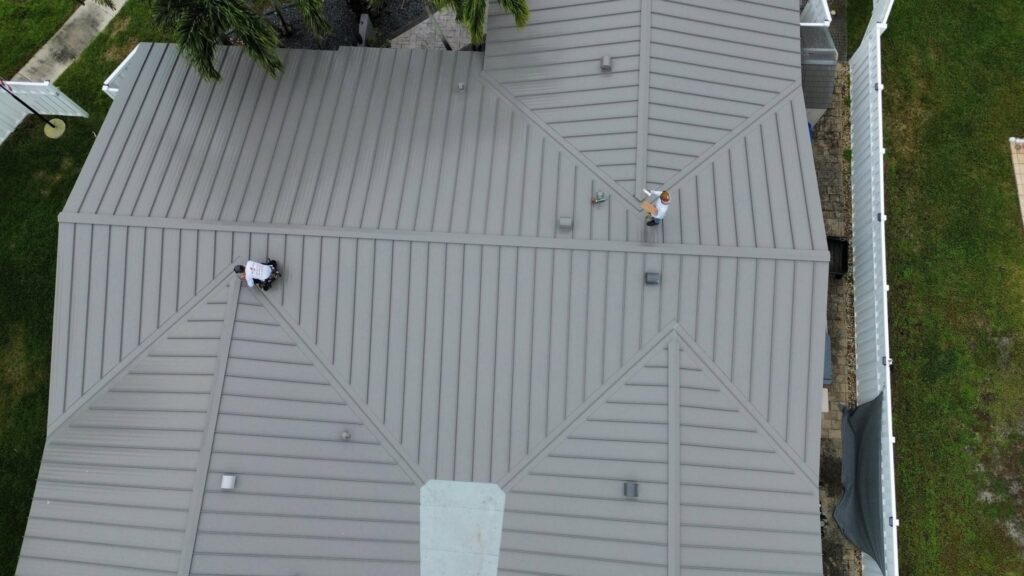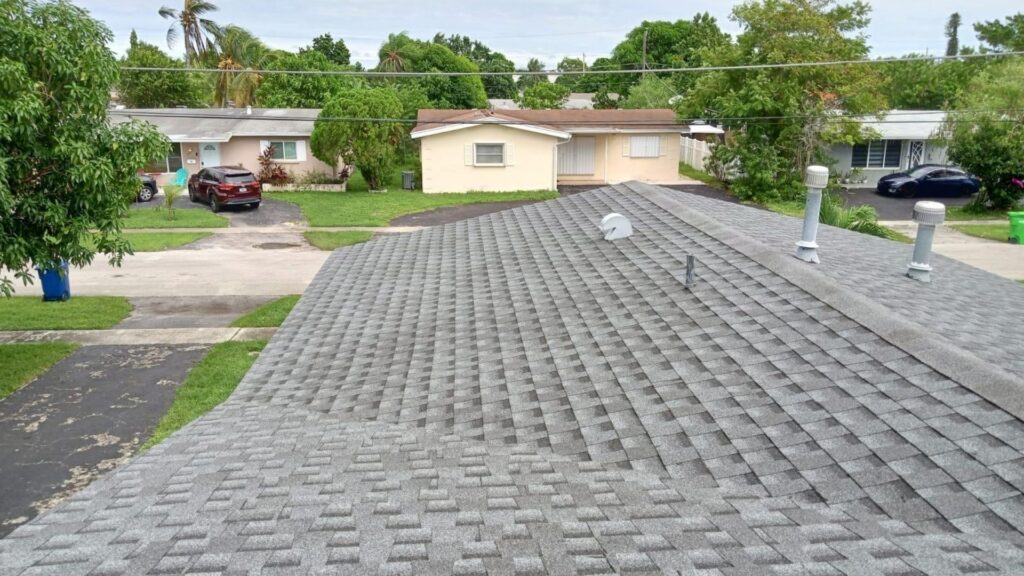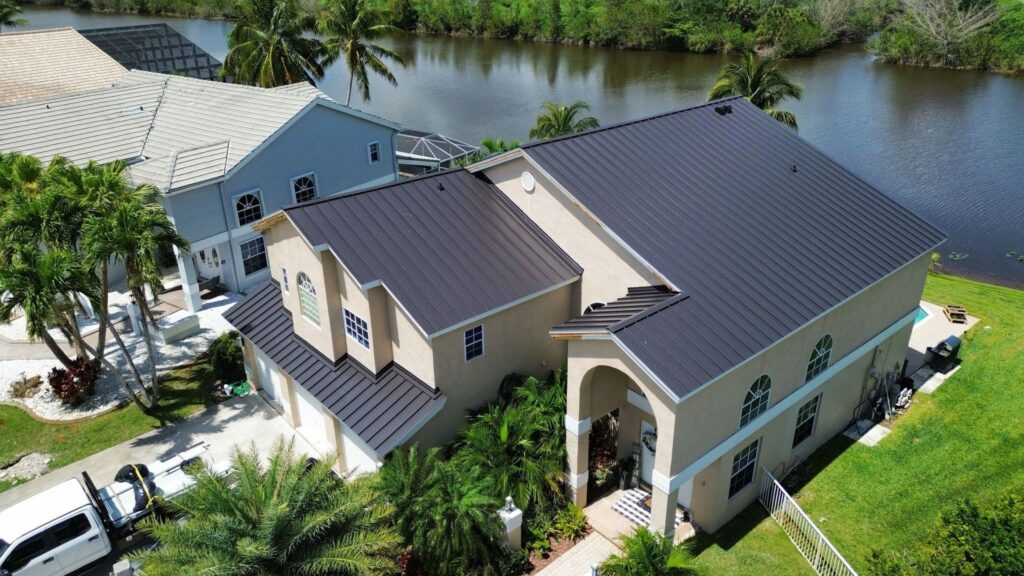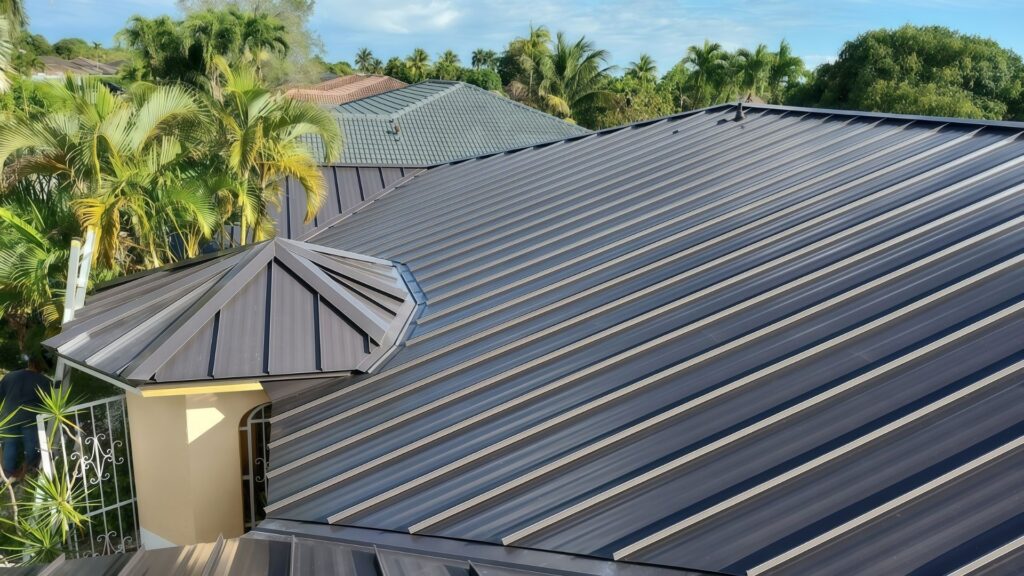
roofing systems

Roofing system performance depends on proper installation and ventilation in Florida homes

Roofing System Performance: Why Similar Roofs Fail Differently

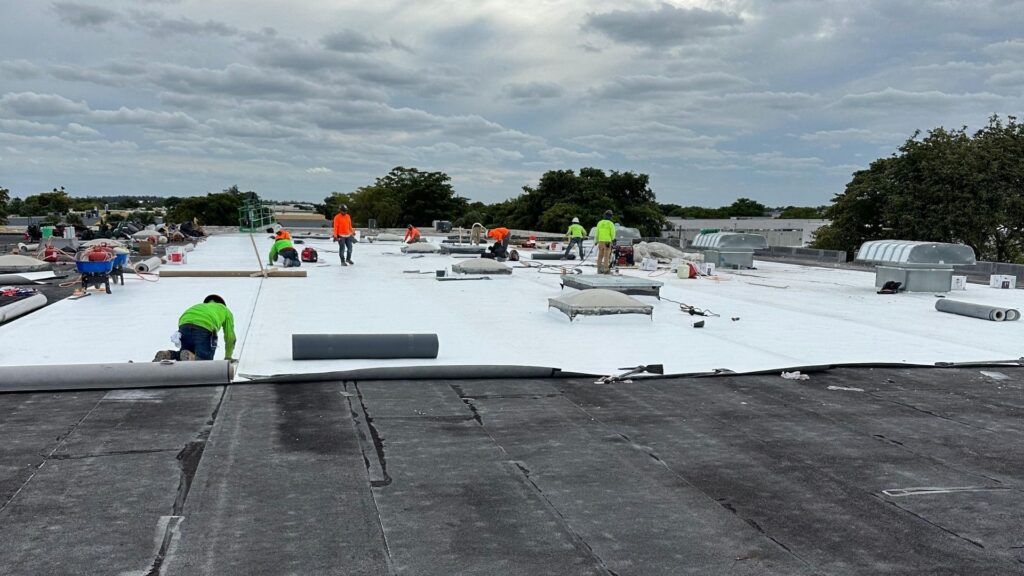
Roofing System Performance: Why Similar Roofs Fail Differently Two homes can use the same roofing materials and still get completely different results. One roof lasts for decades. The other starts needing roof repair far too early. The difference usually comes down to roofing system performance. Installation quality, ventilation, flashing, and maintenance all affect how a roof handles Florida weather. Because of this, homeowners should never judge a roof by materials alone. Materials Matter, but Installation Matters More Premium shingles or tile will not fix poor workmanship. A roofing contractor must install every layer correctly. Otherwise, small mistakes create long-term problems. Poor fastening, weak flashing, and rushed roof replacement work often lead to leaks and early wear. In Florida, heat and storms make those problems worse much faster. According to the National Roofing Contractors Association, proper installation plays a major role in roof lifespan and overall system performance. Small Errors Create Bigger Problems Many homeowners never notice issues until water enters the home. By then, damage may already exist under the surface. Common warning signs include: Loose or lifted shingles Interior water stains Soft decking Poor attic ventilation Repeated roof repair needs This is why regular roof inspection services matter. A professional inspection can identify hidden weaknesses before they become expensive failures. Ventilation Changes Everything Florida roofs face constant heat and humidity. Without proper airflow, moisture builds inside the roofing system. That trapped heat weakens materials over time. It can also damage decking and reduce energy efficiency. According to U.S. Department of Energy, attic ventilation helps control moisture and heat buildup. Proper ventilation also improves overall roof performance. Maintenance Impacts Roof Lifespan Even a well-built roof needs maintenance. Storm debris, clogged drainage, and unnoticed leaks slowly reduce roofing system performance. The International Association of Certified Home Inspectors recommends regular roof inspections to help detect problems early. Homeowners searching for roofing contractors near me should look for companies that inspect the entire roofing system, not just visible shingles or tile. Choose Quality Over Shortcuts A roof protects everything underneath it. That protection depends on more than materials alone. It depends on skilled installation, proper ventilation, and long-term care. At Trade Productions, we focus on doing the job the right way from the start. Whether you need roof repair, roof replacement, or a full roof inspection, our team helps homeowners protect their investment with quality workmanship that lasts. Contact Trade Productions today to schedule a professional roof inspection or estimate.

roof replacement showing roofing system layers beneath the surface

Roof Replacement: What Happens Beneath the Surface

Roof Replacement Done Right: What Happens Beneath the Surface A roof replacement is more than installing new shingles or tile. However, many homeowners only see the finished surface and not the critical work underneath. Because hidden components protect the entire roofing system, skipping important steps can lead to leaks, moisture damage, and early failure. For this reason, quality roof replacement starts beneath the surface long before the final materials go on. Why the Structure Beneath the Roof Matters Roofing systems work in layers A roof protects the home through multiple connected components. Decking, underlayment, flashing, ventilation, and drainage all work together to prevent water intrusion. As a result, problems beneath the surface often create major roofing failures later. Surface materials alone are not enough New shingles or tiles cannot fix hidden structural issues underneath. According to the National Roofing Contractors Association (NRCA), proper installation and substrate preparation directly affect roof lifespan and performance. What Professionals Inspect During Roof Replacement Roof decking condition Roof decking provides structural support for the entire roofing system. However, moisture damage or rot weakens that support over time. A professional roofing contractor inspects the decking carefully before installation begins. Underlayment and moisture barriers Underlayment creates an additional layer of water protection beneath roofing materials. Because Florida storms bring heavy rain and wind-driven moisture, proper waterproofing is critical. According to FEMA, secondary water barriers improve roof protection during severe weather events. Flashing and vulnerable areas Flashing protects roof penetrations, valleys, and edges where leaks commonly begin. Poor flashing installation remains one of the leading causes of roof repair problems after replacement projects. Why Ventilation Matters During Roof Replacement Heat and moisture affect roof lifespan Attic ventilation controls heat buildup and moisture inside the roofing system. Without proper airflow, roofing materials may deteriorate faster over time. According to InterNACHI, poor ventilation contributes to mold growth, trapped heat, and premature roofing failure. Proper airflow improves performance Balanced ventilation helps extend roof lifespan and improve energy efficiency. This becomes especially important in Florida’s hot and humid climate. Why Quality Workmanship Makes the Difference Shortcuts stay hidden at first Poor workmanship beneath the surface may not create immediate leaks. However, hidden problems often appear months or years later. That’s why homeowners should choose experienced roofing contractors near me who focus on long-term performance. Roofing should be done the right way A professional roof replacement requires attention to every layer of the roofing system, not just the visible materials. That process protects the home long-term. Protect Your Home With a Quality Roof Replacement A roof replacement should strengthen your entire roofing system from the structure up. At Trade Productions, we focus on quality workmanship beneath every roof we install. No shortcuts. No rushed work. Just roofing systems built to handle Florida conditions the right way. 📞 Contact Trade Productions today: (855) TRADE-FL📍 Schedule your roof inspection or estimate and learn what your roof replacement truly requires beneath the surface

roofing system weak points on residential roof

Roofing System Weak Points Homeowners Miss

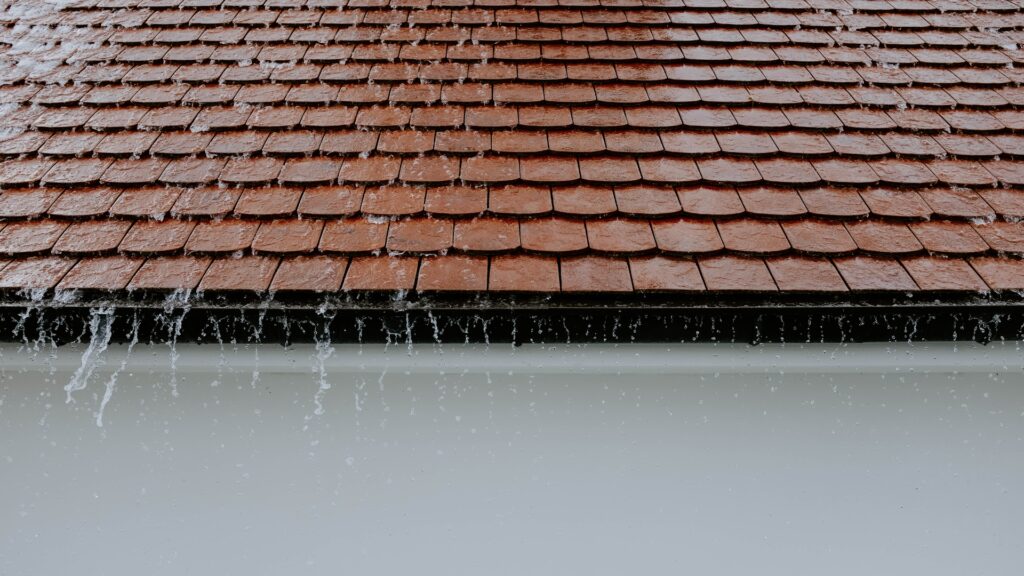
The Hidden Weak Points in Most Roofing Systems Most roof problems don’t start in the middle of the roof. Instead, they begin in smaller areas homeowners rarely notice. Because these weak points handle water flow, movement, and sealing, they often fail first. For this reason, understanding where roofing systems break down can help prevent serious damage later. Why Roofing Systems Fail in Certain Areas Some areas take more stress than others Not every section of a roof handles the same conditions. For example, valleys, flashing, and roof penetrations deal with constant water exposure. As a result, these areas wear down faster over time. Small failures create bigger problems A loose seal or cracked flashing may look minor at first. However, even small openings can allow water inside the system. According to the National Roofing Contractors Association (NRCA), moisture intrusion is one of the leading causes of roof deterioration. Common Weak Points in Roofing Systems Roof valleys Valleys direct large amounts of rainwater off the roof. Because of this, poor installation or worn materials can quickly lead to leaks. This is especially important in Florida’s heavy rain conditions. Flashing around penetrations Flashing protects areas around vents, chimneys, and skylights. However, flashing often separates over time due to heat and movement. As a result, these areas become vulnerable to roof repair issues. Roof edges and eaves Roof edges face strong wind pressure during storms. In many cases, damage begins at the perimeter before spreading inward. According to FEMA, edge failures increase the risk of major storm damage. Underlayment breakdown Underlayment acts as a secondary moisture barrier. However, poor installation or aging materials reduce its effectiveness. Without proper protection, water can reach the structure underneath. Why Florida Roofs Need Extra Protection Heat and storms accelerate wear Florida roofs deal with constant UV exposure, humidity, and severe weather. Because of this, weak areas fail faster than in milder climates. Even newer roofs can develop hidden issues over time. Regular inspections matter A professional roof inspection helps identify weak points early. As a result, homeowners avoid larger repairs and premature roof replacement. According to InterNACHI, regular inspections help extend roof lifespan and improve overall performance. How to Protect Your Roofing System Work with an experienced roofing contractor A skilled roofing contractor understands where roofing systems commonly fail. More importantly, they know how to reinforce those vulnerable areas properly. Don’t ignore small warning signs Minor leaks, loose materials, or water stains often point to bigger hidden problems. Instead of waiting, address issues early before damage spreads. Protect the Most Vulnerable Parts of Your Roof Every roofing system has weak points. However, quality workmanship and regular inspections make a major difference. At Trade Productions, we focus on long-term protection. No shortcuts. No rushed work. Just roofing systems built the right way. 📞 Contact Trade Productions today: (855) TRADE-FL📍 Schedule your roof inspection and protect your home before small issues become major repairs

Scroll to Top