Author name: valeria-tpi

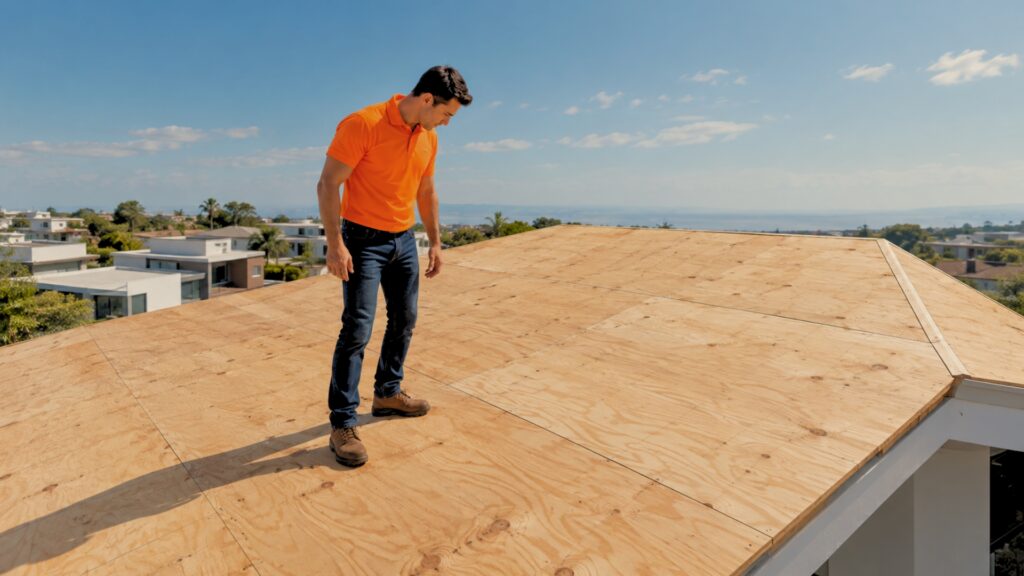
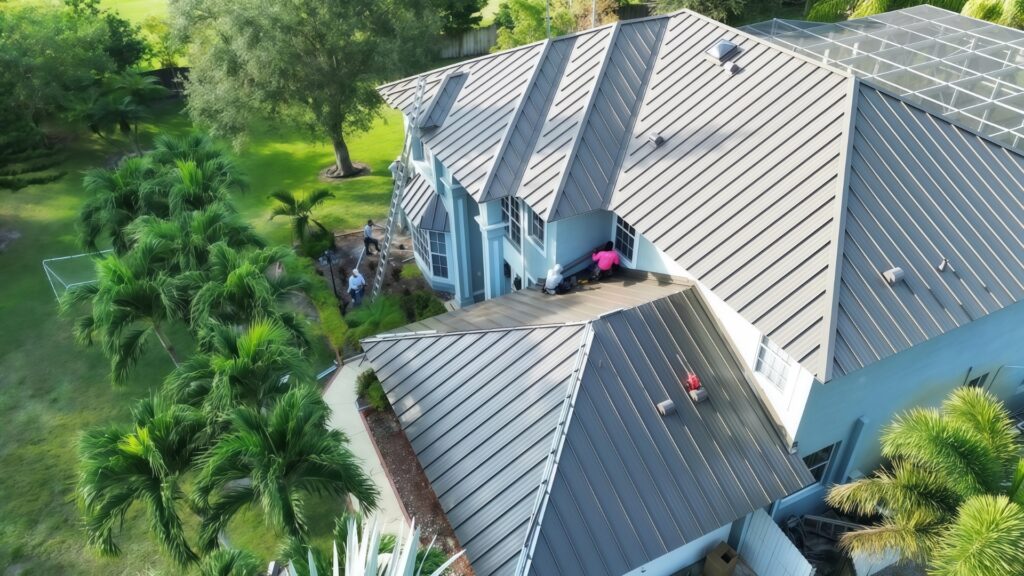
Roof inspection after a storm performed by a professional roofing contractor in Florida

Roof Inspection After a Storm: What Pros Check

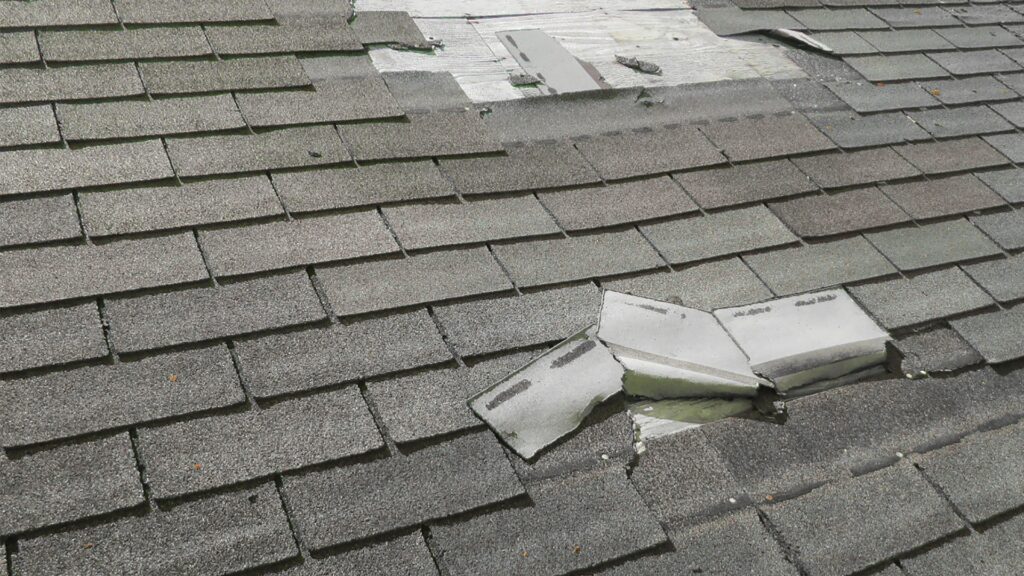
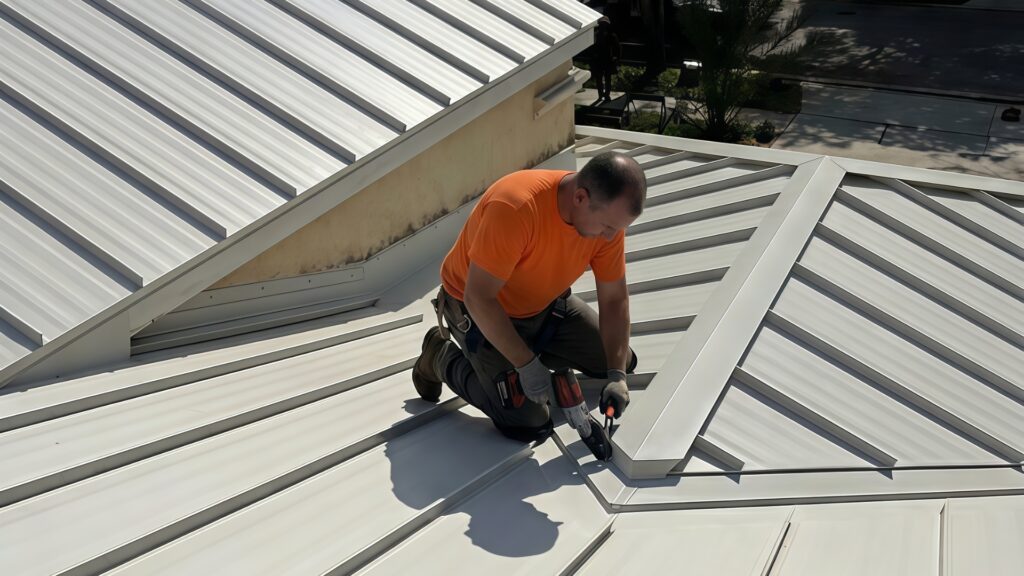
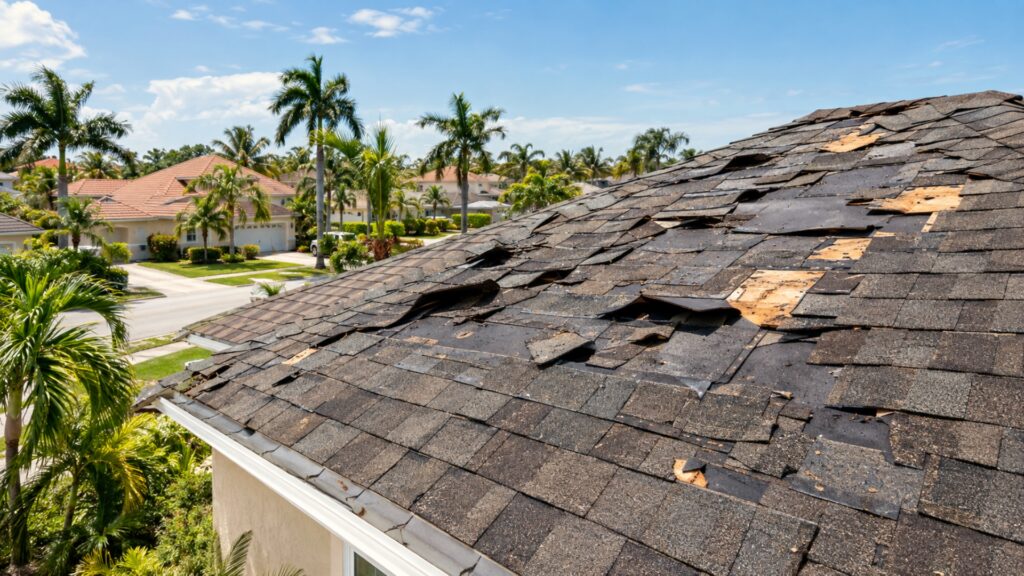
Roof Inspection After a Storm: What Professionals Are Actually Looking For After a Florida storm, some roof damage is easy to spot. Missing shingles, broken tiles, and fallen debris are clear warning signs. Other problems are harder to see. That is why a professional roof inspection matters after severe weather. An experienced roofing contractor looks beyond obvious damage to identify issues that could lead to leaks, moisture problems, or more costly repairs later. 1. Missing or Damaged Roofing Materials The first step is checking the condition of the roof surface. Professionals look for missing, cracked, lifted, or damaged shingles and tiles. They also check metal roofing panels and other materials for signs of wind or impact damage. According to the National Roofing Contractors Association (NRCA), regular inspections and maintenance can help identify roofing issues before they become more serious. Why Small Damage Matters A small damaged area can create an opening for water. If professionals find isolated damage, targeted roof repair may restore protection. If damage affects a large portion of the roof, a roof replacement may become the better option. 2. Flashing and Other Vulnerable Areas Roofing professionals also inspect areas where water can enter. This includes flashing around vents, chimneys, walls, and other roof penetrations. Strong winds and flying debris can loosen these components. Even when the main roofing materials look intact, damage around these areas can lead to leaks. Professionals Check the Details A proper roof inspection does not focus only on what is easy to see. Experienced roofers inspect transitions, edges, penetrations, and other areas where the roofing system needs extra protection. 3. Signs of Water Intrusion Storm damage may allow water into the roofing system without creating an immediate ceiling leak. Professionals look for signs of moisture, damaged decking, stains, and other evidence of water intrusion. According to InterNACHI, moisture problems can cause damage when they remain undetected. Finding the source early can help prevent a small issue from becoming a larger roof repair project. 4. Wind and Storm Damage Florida storms can expose weak areas that were already developing before the weather event. FEMA recommends taking steps to protect homes from wind and storm damage. After severe weather, a professional inspection can help identify visible damage and determine what repairs may be necessary. Do not climb onto the roof to check the damage yourself. A professional roofing contractor has the experience to inspect the roof safely and identify issues you may not notice from the ground. Get a Professional Roof Inspection After the Storm Not every storm means you need a new roof. But ignoring damage can allow a manageable problem to get worse. When searching for roofing contractors near me, choose a company that takes the time to inspect the full roofing system and explain the findings clearly. At Trade Productions, we believe in doing the job the right way. We inspect your roof, identify the damage, and recommend the work your home actually needs. Has your home been through a recent storm? Contact Trade Productions today: (855) TRADE-FL to schedule a professional roof inspection and get a clear estimate for any necessary roof repair or roof replacement.

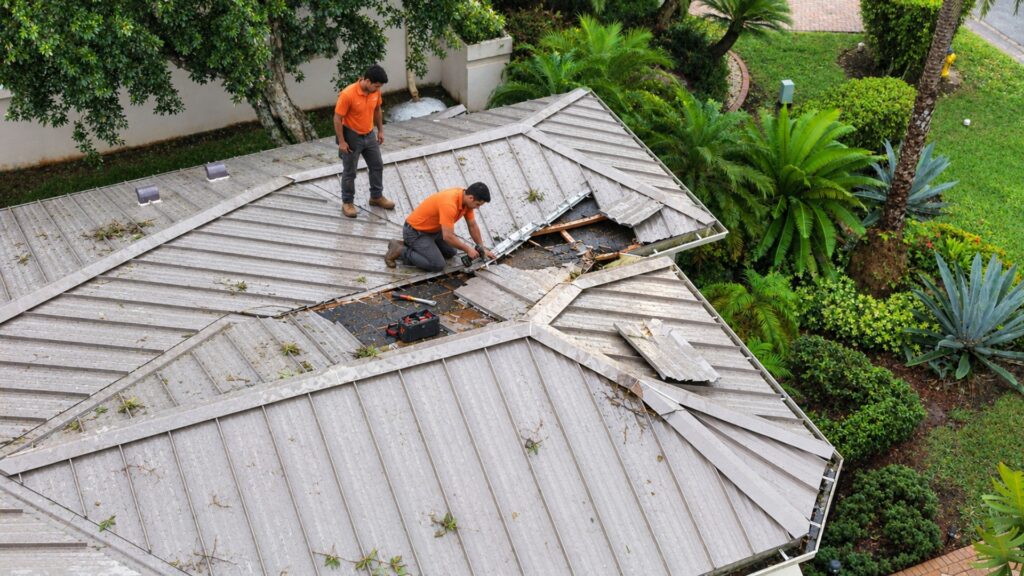
Roof repair emergency signs showing visible roof damage on a Florida home

Roof Repair Emergency Signs You Should Never Ignore

Roof Repair: Emergency Signs You Should Never Ignore A small roof problem can become a major issue fast. In Florida, heavy rain, strong winds, and severe storms can expose weak areas and cause water to enter your home. Some roofing problems can wait for a scheduled appointment. Others require immediate attention. Knowing the warning signs can help you protect your home and avoid more expensive roof repair or even a full roof replacement. 1. Active Water Leaks Water entering your home is one of the clearest emergency signs. You may see water dripping from the ceiling, wet walls, or growing stains. Do not assume the leak will stop because the rain stops. Water can remain trapped inside the roofing system and continue causing damage. According to FEMA, homeowners should take reasonable steps to protect their property and prevent additional damage after severe weather. What to Do Move furniture and valuables away from the affected area. Document visible damage with photos. Then contact a professional roofing contractor as soon as possible. 2. Missing or Loose Roofing Materials Strong winds can loosen or remove shingles, tiles, flashing, or other roofing materials. Even a small exposed area can allow water into the roofing system. The National Roofing Contractors Association (NRCA) recommends regular roof inspections and maintenance to identify damage before it leads to larger problems. Do Not Ignore Storm Damage After a major storm, inspect your property from the ground. Look for missing materials, debris, or visible damage. Avoid climbing onto the roof yourself. Schedule a professional roof inspection instead. 3. A Sagging or Damaged Roof A sagging roof requires immediate attention. It may indicate damage to the roof deck or another structural issue. Water damage can also weaken materials over time. If you notice a visible dip or sag, contact a qualified roofing contractor right away. Do not wait for the next storm. 4. Large Water Stains or Ceiling Damage A small stain may point to a larger problem above it. If stains grow, drywall starts to sag, or you notice bubbling paint, water may already be moving through the structure. According to InterNACHI, moisture intrusion can cause ongoing damage and should be investigated to identify the source. Protect Your Home Before the Damage Gets Worse When searching for roofing contractors near me, look for an experienced team that can identify the source of the problem and explain the right solution. Emergency damage does not always mean you need a full roof replacement. Sometimes targeted repairs can restore protection. The key is getting the roof inspected before the problem spreads. At Trade Productions, we believe in doing the job the right way. We inspect the damage, explain your options clearly, and recommend the work your roof actually needs. Seeing signs of a roof emergency? Contact Trade Productions today: (855) TRADE-FL to schedule a professional roof inspection and get a clear estimate for your roof repair or roof replacement needs.

Storm damage roof repair inspection after severe weather in Florida

Storm Damage Roof Repair vs Insurance Claim

Storm Damage Roof Repair vs Insurance Claim: How the Process Works After a Florida storm, roof damage can leave homeowners with two urgent questions: Do I need storm damage roof repair, and should I file an insurance claim? The answer depends on the type and extent of the damage. A professional roof inspection can help you understand the condition of your roof before you make important decisions. Start With a Roof Inspection After severe weather, inspect your property from the ground and look for visible signs of damage. You may notice missing shingles, damaged flashing, debris, or water stains inside the home. Do not climb onto a damaged roof yourself. According to FEMA, homeowners should assess damage safely and document what they find after a disaster. Document the Damage Take clear photos and videos of visible damage. Save records of the storm date and any emergency repairs. A professional roofing contractor can also inspect the roof and document the conditions they find. This information can help you understand what repairs may be necessary. When Roof Repair May Be the Right Option Not every storm requires a full roof replacement. If the damage affects a limited area, roof repair may restore protection. For example, a contractor may repair damaged flashing, replace missing shingles, or address a localized leak. According to the National Roofing Contractors Association (NRCA), regular inspections and maintenance help identify roofing problems and support long-term roof performance. A qualified contractor should explain the damage clearly and recommend the work your roof actually needs. When an Insurance Claim May Make Sense A storm does not automatically mean you should file a claim. First, understand the extent of the damage and review your policy and deductible. The Florida Department of Financial Services recommends reporting property damage promptly, documenting it with photos or video, and keeping records of emergency repairs and receipts. It also explains that homeowners should review their deductible and policy when deciding how to proceed. Understand the Process If you decide to file a claim, contact your insurance company or agent as soon as possible. The insurer may send an adjuster to inspect the damage. Your roofing contractor can provide an inspection and explain the scope of the roofing work. However, the insurance company determines coverage based on the policy and claim review. Avoid making permanent repairs before you understand what documentation or inspection your insurer requires. You should still take reasonable steps to prevent further damage and keep records of any emergency work. Roof Repair, Replacement, or an Insurance Claim? These decisions do not always follow the same path. You may need storm damage roof repair without filing an insurance claim. In other cases, significant storm damage may lead you to file a claim and discuss roof replacement with your insurer. According to the NRCA, homeowners should inspect their roofs regularly and after severe weather. The organization also recommends working with an experienced roofing contractor when repairs are needed. The best first step is getting clear information about your roof. Get a Professional Inspection Before You Guess After a storm, do not assume the worst. But do not ignore possible damage either. At Trade Productions, we inspect roofs, identify visible damage, and explain your options clearly. We believe in doing the job the right way and helping homeowners understand the work their roof may need. Concerned about storm damage? Contact Trade Productions: (855) TRADE-FL today to schedule a professional roof inspection and get a clear estimate for your repair or roof replacement needs.

Roof installation mistakes that can lead to early roof failure in a Florida home

Roof Installation Mistakes That Cause Early Failure

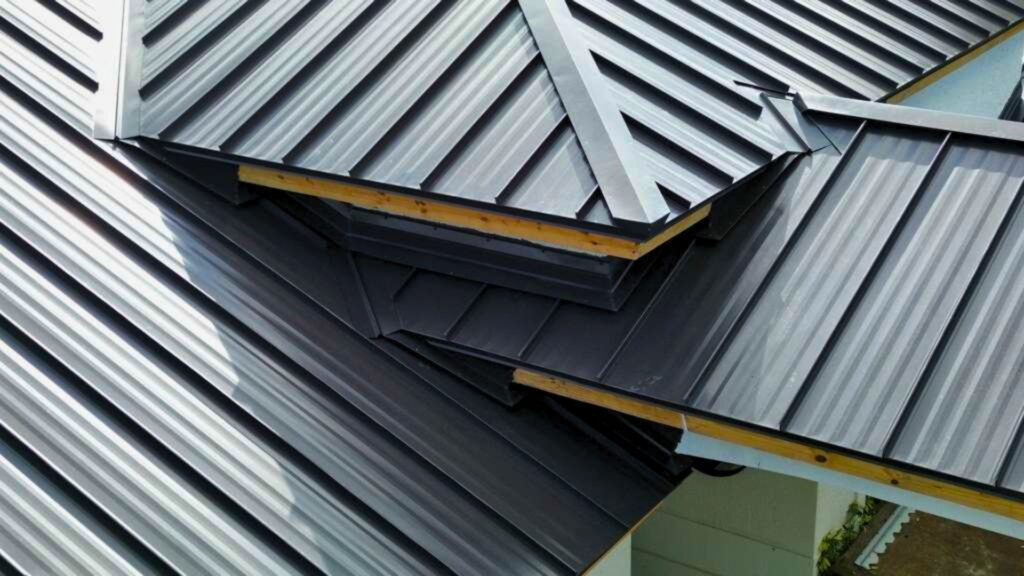
Roof Installation Mistakes That Lead to Early Failure (And How Pros Avoid Them) A new roof should protect your home for years. But poor installation can cause problems much sooner than expected. Leaks, loose materials, and storm damage do not always mean the roofing material failed. In many cases, the problem started with how the roof was installed. Knowing what can go wrong helps homeowners choose the right roofing contractor from the start. 1. Poor Roof Preparation A quality roof installation starts before the new materials go on. Roofers must inspect the roof deck and identify damaged or weak areas. Installing new materials over a problem underneath can lead to future leaks and structural issues. According to the National Roofing Contractors Association (NRCA), proper installation and maintenance play an important role in roof performance. How Pros Avoid It Experienced roofing crews inspect the roof system before installation. They address damaged decking and prepare the surface correctly before moving forward. Doing the prep work right helps protect the entire system. 2. Incorrect Flashing Installation Flashing protects vulnerable areas around chimneys, vents, walls, and roof transitions. Poor flashing installation can allow water to enter the home. A small gap can become a major roof repair problem during Florida’s heavy rain and storms. How Pros Avoid It Professional roofers install flashing carefully and follow the requirements for the specific roofing system. They also inspect these areas before completing the job. 3. Improper Fastening and Material Installation Every roofing system requires proper fastening and placement. Incorrectly installed shingles, panels, or other roofing materials can loosen over time. Strong winds can make the problem worse. FEMA emphasizes the importance of properly installed roofing components to improve a home’s resistance to severe weather. How Pros Avoid It Professional crews follow manufacturer specifications and applicable building requirements. They use the correct materials and installation methods for the roof. Details matter. Especially in Florida. 4. Ignoring Ventilation and the Full Roof System A roof is more than the materials you see from the street. Ventilation, underlayment, flashing, and drainage all work together. Ignoring one part of the system can affect the performance of the entire roof. The U.S. Department of Energy explains that proper attic and roof design can also influence moisture and energy performance. How Pros Avoid It A professional roof inspection looks at the complete roofing system. The goal is not to rush through the installation. The goal is to build a roof that performs as intended. Choose a Roofing Contractor Who Does It Right The cheapest estimate can become expensive if poor installation leads to early failure and repeated repairs. When searching for roofing contractors near me, ask about experience, workmanship, materials, and how the company handles the full installation process. At Trade Productions, we believe quality roofing starts with doing the work the right way. No shortcuts. No guesswork. Just experienced workmanship focused on protecting your home. Need a new roof or concerned about a recent installation? Contact Trade Productions: (855) TRADE-FL today to schedule a professional roof inspection and request your estimate.

Roof repair or roof replacement inspection for a Florida home

Roof Repair or Roof Replacement: How to Know

How to Know If You Need Roof Repair or a Full Replacement A roof problem does not always mean you need a new roof. But waiting too long can turn a small issue into major damage. The key is knowing when roof repair makes sense and when a roof replacement is the better long-term solution. A trusted roofing contractor can inspect the condition of your roof and help you make the right call. When Roof Repair May Be Enough Roof repair often works when the damage affects a small area and the rest of the roof remains in good condition. Common examples include: A few missing or damaged shingles A small leak around flashing Minor storm damage Isolated areas of wear Small issues around vents or roof penetrations According to the National Roofing Contractors Association (NRCA), regular maintenance and inspections can help identify roofing problems before they become more serious. The Damage Is Limited If your roof is generally in good shape, a targeted repair may extend its life and protect your home. However, a quick fix should solve the actual problem. Covering visible damage without addressing the cause can lead to more expensive repairs later. That is why a professional roof inspection matters. Signs You May Need a Roof Replacement Sometimes repairs become a temporary solution to a larger problem. You may need to consider a full roof replacement if you notice: Frequent or recurring leaks Widespread damaged or missing shingles Large areas of deterioration Visible sagging Water damage inside the home An older roof with multiple ongoing issues FEMA recommends taking steps to strengthen and maintain roofs to help reduce damage from severe weather. In Florida, that matters. Heavy rain, strong winds, and storms can expose weaknesses that already exist. Repairs Are Becoming Too Frequent One repair may make sense. Several repairs over a short period may signal that your roof is reaching the end of its useful life. A replacement can provide a more reliable long-term solution and reduce the risk of continued damage. The U.S. Department of Energy also notes that roofing choices can affect a home’s energy performance, making it important to consider the full roofing system when planning a replacement. The Best Way to Know: Get a Professional Roof Inspection Every roof is different. Age alone does not determine whether you need roof repair or replacement. A qualified roofing contractor should inspect the roof, identify the source of the problem, and explain your options clearly. If you are searching for roofing contractors near me, look for a company that focuses on the condition of your roof, not just selling the biggest job. At Trade Productions, we believe in doing the job the right way. We provide honest assessments and quality workmanship for Florida homeowners. Not sure if you need roof repair or a full replacement? Contact Trade Productions today to schedule a professional roof inspection and get a clear estimate for your roofing needs.

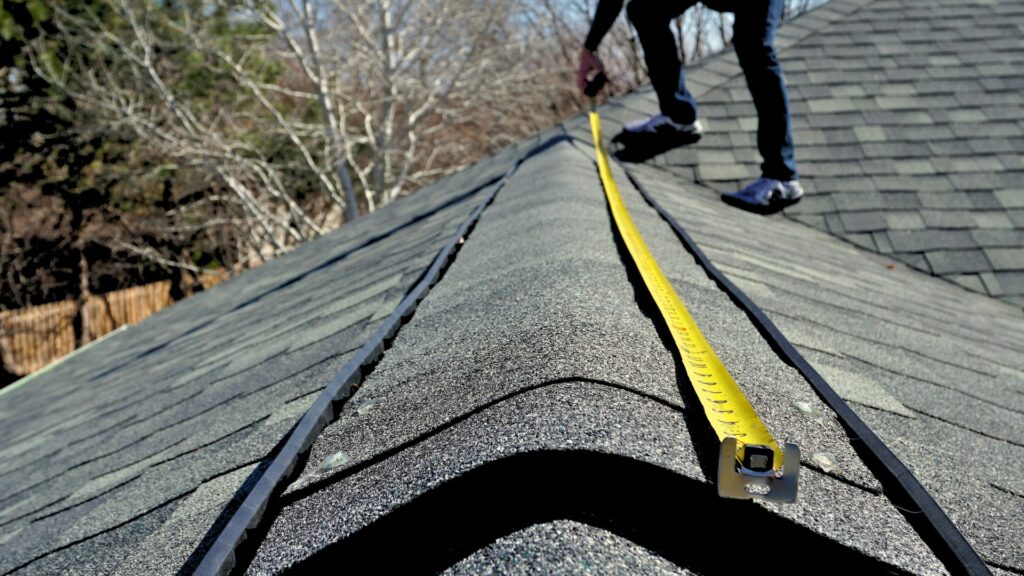
Roof pitch affecting drainage and storm resistance

Roof Pitch: Why It Matters in Florida

Roof Pitch: How It Affects Durability, Drainage, and Storm Resistance Roof pitch is more than a design feature. It directly affects how well your roof handles rain, wind, and Florida’s challenging climate. A properly designed roof pitch improves drainage, extends the life of your roofing system, and helps your home withstand severe weather. Understanding roof pitch can help you make informed decisions about roof repair, roof replacement, and long-term maintenance. What Is Roof Pitch? Roof pitch refers to the angle or slope of your roof. A steeper roof allows water to flow off more quickly, while a lower slope drains water more slowly and requires different roofing materials. According to the National Roofing Contractors Association (NRCA), every roofing system should match the roof’s slope to ensure proper performance and weather protection. Why Roof Pitch Matters Better Water Drainage Florida receives heavy rainfall throughout the year. A properly designed roof pitch allows water to drain efficiently, reducing the risk of standing water and leaks. Poor drainage can shorten the life of your roofing system and increase the need for roof repair. Improved Storm Resistance Roof pitch also influences how your roof responds to high winds. While every roof experiences wind pressure, proper design and professional installation help improve overall storm performance. A qualified roofing contractor understands which roofing systems work best for different roof slopes and Florida weather conditions. Longer Roof Lifespan Water that drains quickly places less stress on roofing materials. This helps reduce moisture damage, mold growth, and premature deterioration. According to the International Association of Certified Home Inspectors (InterNACHI), routine roof inspection helps identify drainage issues before they become costly repairs. Can Roof Pitch Affect Energy Efficiency? Yes. Roof pitch can improve attic ventilation and allow heat to escape more effectively when combined with a properly designed ventilation system. The U.S. Department of Energy explains that proper attic ventilation helps improve energy efficiency and reduces cooling costs, especially in hot climates like Florida. When Should You Schedule a Roof Inspection? If your roof has experienced heavy rain, hurricanes, or years of sun exposure, schedule a professional roof inspection. An experienced roofing contractor can evaluate your roof pitch, drainage system, flashing, and overall condition. If you’ve been searching for roofing contractors near me, choose a company that understands Florida’s building codes and installs roofing systems designed for long-term performance. Protect Your Home With Trade Productions The right roof pitch is only part of a durable roofing system. Quality materials, expert installation, and regular maintenance all play an important role in protecting your investment. At Trade Productions, we provide professional roof inspections, dependable roof repair, and complete roof replacement services built specifically for Florida homes. Contact us today to schedule your free roof inspection and receive a no-obligation estimate. We’ll make sure your roof is ready to handle Florida’s toughest weather.

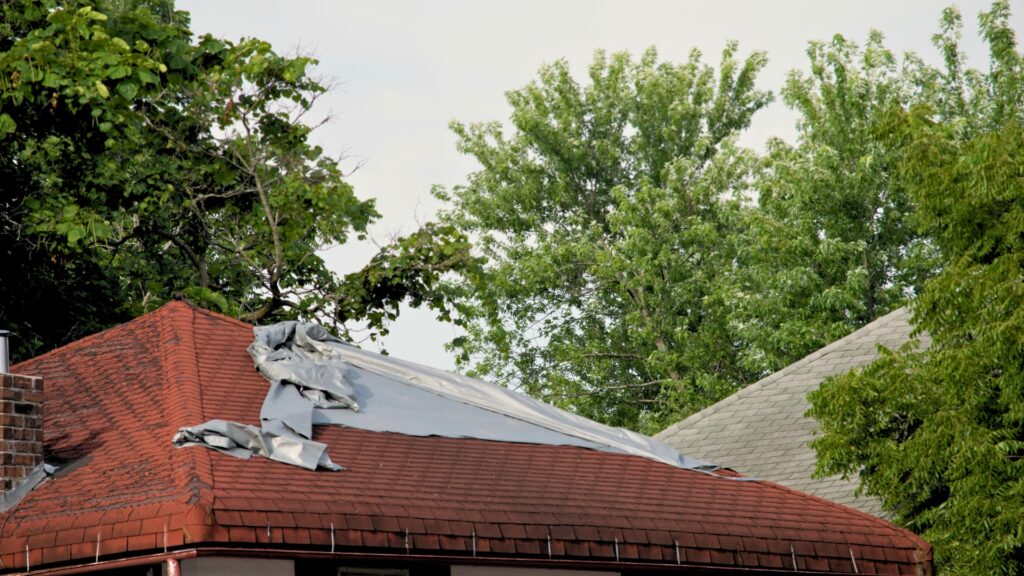
Roof with small storm damage in Florida

Small Storm Damage: Why You Shouldn’t Ignore It

Small Storm Damage: Why It Can Lead to Major Roof Failure Over Time After a storm passes, your roof may look perfectly fine. However, appearances can be deceiving. Even small storm damage can weaken your roofing system and allow moisture to enter your home. What starts as a minor issue can slowly become a major roof failure. Acting early is the best way to protect your home, reduce repair costs, and extend the life of your roof. Small Damage Doesn’t Stay Small Florida storms bring strong winds, heavy rain, and flying debris. These conditions can loosen shingles, crack flashing, or damage roof seals without creating an obvious leak. According to the National Roofing Contractors Association (NRCA), routine roof inspections help identify hidden damage before it develops into larger roofing problems. Common Signs of Small Storm Damage Loose or Lifted Shingles High winds can break the adhesive seal that holds shingles in place. They may still appear intact, but water can now reach the layers below. This type of damage often requires prompt roof repair. Damaged Flashing Flashing protects roof valleys, chimneys, vents, and skylights. A small bend or gap may seem insignificant, yet it creates an easy path for water intrusion. Tiny Leaks A small leak rarely stays in one place. Water spreads through insulation, wood decking, and drywall long before stains appear on your ceiling. A professional roof inspection can detect these hidden problems early. Granules in the Gutters If you notice roofing granules collecting in your gutters after a storm, your shingles may have lost part of their protective surface. Over time, this accelerates roof aging under Florida’s intense sun. Why Delaying Repairs Costs More Small storm damage continues to worsen with every rainstorm. Moisture weakens the roof deck, encourages mold growth, and increases the chance of structural damage. Eventually, what could have been a simple roof repair may require a complete roof replacement. According to the Federal Emergency Management Agency (FEMA), repairing storm damage promptly helps reduce future property losses and improves your home’s ability to withstand the next severe weather event. Schedule an Inspection Before the Next Storm Many homeowners only search for roofing contractors near me after a leak appears. By then, the damage is often more extensive and expensive to fix. An experienced roofing contractor can identify problems that aren’t visible from the ground and recommend the right solution before they grow. Protect Your Home With Trade Productions The International Association of Certified Home Inspectors (InterNACHI) recommends inspecting your roof after severe weather, even when no major damage is visible. Early action protects your home, your family, and your investment. At Trade Productions, we provide detailed roof inspections, dependable roof repair, and professional roof replacement services built for Florida homeowners. Don’t let small storm damage turn into a major roofing problem. Contact us today to schedule your free roof inspection and receive a no-obligation estimate before the next storm arrives.

Wind uplift roof damage during Florida hurricanes

Wind Uplift Roof Damage During Florida Hurricanes

Wind Uplift Roof Damage: How Florida Hurricanes Can Weaken Your Roof Hurricanes don’t have to tear shingles off your roof to cause serious damage. One of the biggest threats during a storm is wind uplift. It can weaken your roofing system long before you notice a leak. Understanding how wind uplift works helps you protect your home, avoid expensive repairs, and know when it’s time to schedule a professional roof inspection. What Is Wind Uplift? Wind uplift happens when powerful winds move over your roof and create pressure differences. As wind speeds increase, they generate lifting forces that can loosen shingles, tiles, flashing, and even the roof deck. According to the Federal Emergency Management Agency (FEMA), strong hurricane winds can compromise roofing systems even when visible damage appears minor. How Wind Uplift Damages a Roof Breaks the Shingle Seal High winds can lift shingles just enough to break their adhesive seal. The shingles may settle back into place, making the damage difficult to spot from the ground. Once the seal breaks, water can enter during the next rainstorm. Loosens Flashing Flashing protects roof valleys, chimneys, vents, and skylights. Wind uplift can bend or separate these metal components, creating openings where water enters. This often leads to roof repair if left untreated. Weakens the Roof Structure Repeated wind pressure places stress on the entire roofing system. Over time, fasteners loosen, roofing materials shift, and the roof becomes more vulnerable during future storms. The National Roofing Contractors Association (NRCA) recommends inspecting roofs after severe weather to identify hidden damage before it worsens. Warning Signs After a Hurricane Missing Granules If you notice shingle granules in your gutters or around your home, your roof may have experienced wind uplift damage. Small Interior Leaks Water stains on ceilings or walls often appear days after a hurricane, not during the storm itself. Loose Roofing Materials Lifted shingles, cracked tiles, or damaged flashing all require immediate attention from an experienced roofing contractor. If you’re searching for roofing contractors near me, choose a roofing contractor who understands Florida’s building codes, hurricane exposure, and proper repair methods. Protect Your Roof Before the Next Storm According to InterNACHI, routine roof inspections help identify storm-related damage before it develops into major structural problems. Early repairs cost far less than replacing an entire roofing system after repeated water intrusion. At Trade Productions, we understand how Florida hurricanes affect residential roofs. Our team provides detailed roof inspections, dependable roof repair, and professional roof replacement services built for Florida’s demanding climate. Schedule your free roof inspection today and receive a no-obligation estimate before the next hurricane puts your roof to the test.

Hurricane season roof preparation checklist for Florida homeowners

Hurricane Season Roof Preparation Checklist

Hurricane Season Roof Preparation Checklist for Florida Homeowners Hurricane season can put every Florida roof to the test. Strong winds, heavy rain, and flying debris can turn a small roofing issue into major property damage. The good news is that a little preparation goes a long way. Use this Hurricane Season Roof Preparation Checklist to protect your home before the next storm arrives. A professional roof inspection now can save you thousands in future repairs. Why Prepare Before Hurricane Season? Many homeowners wait until a storm is approaching before calling a roofing contractor. By then, appointment schedules fill up quickly, and repairs may not be completed in time. According to the Federal Emergency Management Agency (FEMA), preparing your roof before hurricane season is one of the most effective ways to reduce storm damage. Your Hurricane Season Roof Preparation Checklist Schedule a Professional Roof Inspection A complete roof inspection identifies loose shingles, damaged flashing, worn sealants, and other hidden problems before they become leaks. The National Roofing Contractors Association (NRCA) recommends routine inspections to extend the life of your roofing system. Repair Small Problems Immediately Don’t ignore cracked shingles, loose tiles, or minor leaks. Small repairs are much less expensive than emergency roof replacement after a hurricane. Prompt roof repair also helps your roof withstand stronger winds. Clean Your Gutters Leaves and debris prevent proper drainage. Overflowing gutters can force water beneath roofing materials and increase the risk of water damage. Check Flashing and Roof Penetrations Inspect the areas around chimneys, skylights, vents, and roof valleys. These locations are common entry points for water during heavy rain. A qualified roofing contractor knows exactly where to look. Trim Nearby Trees Branches hanging over your roof can break during high winds and damage roofing materials. Keeping trees trimmed reduces the risk of impact damage. Review Your Roof’s Age Older roofs may require additional maintenance or even roof replacement before hurricane season begins. If your roof is over 15 to 20 years old, ask a professional to evaluate its condition. Don’t Wait Until the Forecast Changes After a tropical storm watch is issued, homeowners rush to search for roofing contractors near me. Unfortunately, the best appointment times are often already booked. Scheduling your inspection early gives you time to complete repairs before severe weather arrives. Protect Your Home With Trade Productions According to InterNACHI, regular roof inspections help homeowners discover hidden roofing issues before they become expensive problems. The best time to prepare is before the first storm appears on the radar. At Trade Productions, we help Florida homeowners stay ready with detailed roof inspections, dependable roof repair, and high-quality roof replacement services. Contact us today to schedule your free roof inspection: (855) TRADE-FL and receive a no-obligation estimate before hurricane season reaches your neighborhood.

How long should a roof last in Florida?

How Long Should a Roof Last in Florida?

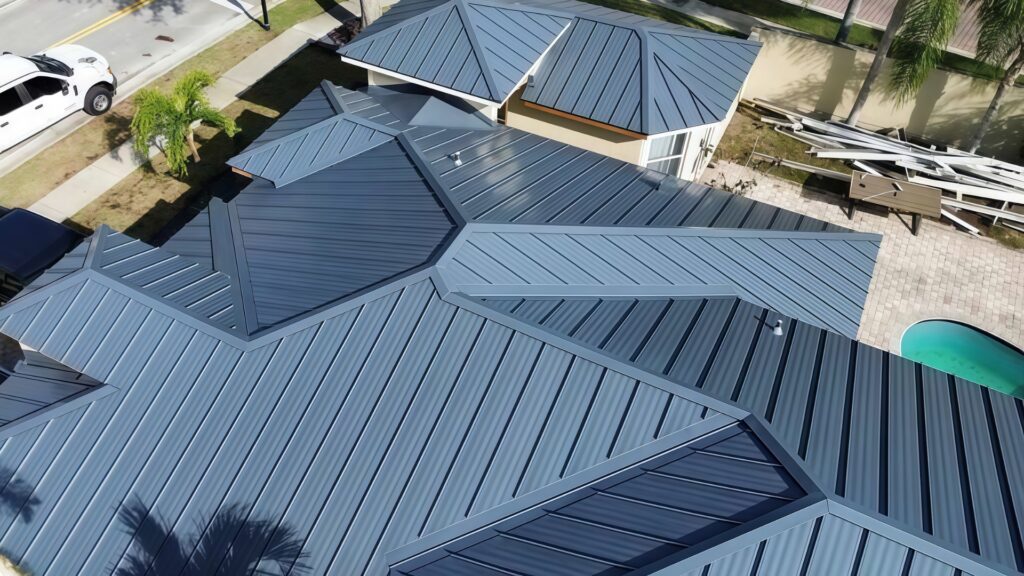
How Long Should a Roof Last in Florida? Florida’s climate is beautiful, but it’s also one of the toughest environments for a roof. Intense sunlight, high humidity, heavy rain, and hurricane-force winds all shorten the life of roofing materials. That’s why homeowners often ask, How long should a roof last in Florida? The answer depends on the roofing material, the quality of the installation, and how well the roof is maintained. Average Roof Lifespan in Florida Different roofing systems have different life expectancies. Asphalt Shingles Most asphalt shingle roofs last 15 to 20 years in Florida. Constant UV exposure and severe storms can reduce their lifespan if they are not properly maintained. Tile Roofs Concrete and clay tile roofs often last 30 to 50 years. However, cracked tiles, damaged underlayment, and poor maintenance can shorten their performance. Metal Roofs A properly installed metal roof can last 40 to 70 years. Metal roofing performs well in Florida because it resists wind, moisture, and corrosion when maintained correctly. According to the National Roofing Contractors Association (NRCA), regular maintenance is one of the best ways to maximize the lifespan of any roofing system. What Shortens a Roof’s Life? Florida’s Extreme Weather Strong UV rays break down roofing materials over time. Hurricanes, heavy rain, and high winds can also weaken shingles, flashing, and sealants. Poor Installation Even premium roofing materials will fail early if they are installed incorrectly. Choosing an experienced roofing contractor makes a significant difference. Lack of Maintenance Small problems become expensive repairs when ignored. Routine roof inspection helps detect loose shingles, damaged flashing, and hidden leaks before they spread. According to InterNACHI, homeowners should schedule regular roof inspections to identify issues before they require major roof repair or roof replacement. When Should You Schedule an Inspection? Don’t wait until you notice a leak. If your roof is over 10 years old or has experienced severe storms, schedule a professional roof inspection. If you’ve been searching for roofing contractors, look for a roofing contractor with experience in Florida’s unique climate and a reputation for quality workmanship. Protect Your Roof Before Problems Grow The Federal Emergency Management Agency (FEMA) recommends maintaining your roof before severe weather arrives to reduce the risk of costly storm damage. At Trade Productions, we help Florida homeowners extend the life of their roofs through professional roof inspections, dependable roof repair, and high-quality roof replacement services. Whether your roof is showing signs of age or you simply want peace of mind, contact us today: (855) TRADE-FL to schedule your free roof inspection and receive a no-obligation estimate.

BUILT ON INTEGRITY. FOCUSED ON RESULTS.

Trade Productions is a Florida-based roofing company focused on dependable work, practical solutions, and long-term performance.
© 2026 Trade productions. All Rights Reserved.
Scroll to Top