Author name: valeria-tpi

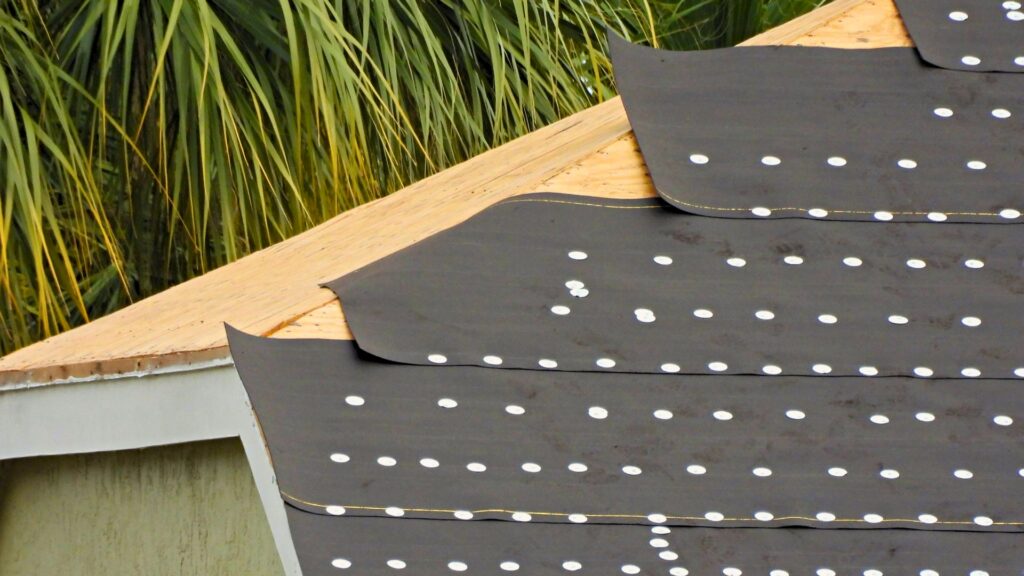
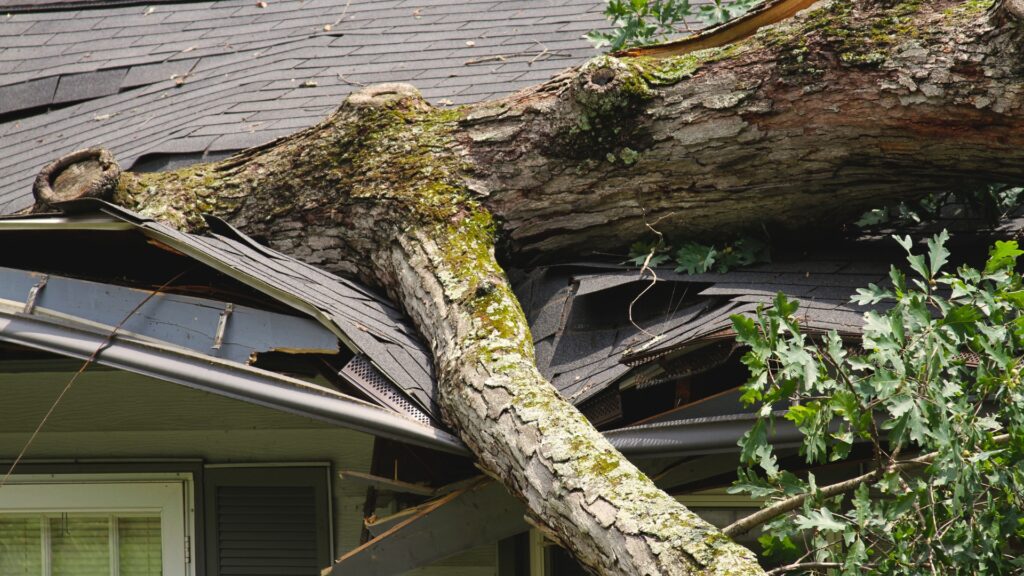
poor roof decking causing roofing system failure

Poor Roof Decking and Roofing System Failure

How Poor Decking Leads to Roofing System Failure A roofing system is only as strong as the structure beneath it. However, many homeowners focus only on shingles or tile while ignoring the roof decking underneath. Because decking supports the entire roofing system, hidden weakness in this layer can lead to leaks, sagging, and premature roof failure. For this reason, poor roof decking becomes one of the most serious problems homeowners should never overlook. What Is Roof Decking? Roof decking supports the entire roof Roof decking sits directly beneath roofing materials and provides structural support for the system above it. As a result, every layer of the roof depends on solid decking to perform correctly. Decking helps protect against moisture Roof decking also supports underlayment and waterproofing systems designed to keep moisture out. However, damaged decking weakens the roof’s ability to protect the home. According to the National Roofing Contractors Association (NRCA), structural integrity plays a major role in long-term roofing performance. What Causes Poor Roof Decking? Moisture intrusion over time Leaks, trapped humidity, and storm damage often allow moisture to penetrate beneath roofing materials. Over time, wood decking begins rotting and losing structural strength. Poor roof installation Improper roof replacement or rushed installation can leave weak decking hidden beneath new materials. Because of this, some roofing systems fail much earlier than expected. Florida weather conditions Florida roofs experience constant heat, humidity, and heavy storms. According to FEMA, repeated moisture exposure and severe weather can weaken structural roofing components over time. Signs of Poor Roof Decking Sagging roof areas Soft or uneven sections often indicate weakened decking beneath the roofing system. This issue should never be ignored. Interior moisture damage Water stains, attic moisture, or mold growth may point to hidden structural problems below the roof surface. According to InterNACHI, trapped moisture often accelerates structural deterioration inside roofing systems. Repeated roof repair problems If roof repair issues continue returning, damaged decking may be the underlying cause. New roofing materials cannot solve structural weakness underneath. Why Quality Roof Inspection Matters Hidden problems require professional evaluation Poor roof decking usually develops beneath visible roofing materials. For this reason, homeowners should schedule regular roof inspection services with experienced roofing contractors near me. Proper replacement protects the full system Professional roof replacement includes evaluating decking, moisture barriers, ventilation, and structural integrity before installation begins. That process protects the roof long-term. Protect Your Roofing System From Structural Failure Poor roof decking can quietly weaken your entire roofing system long before major damage appears. At Trade Productions, we inspect roofing systems thoroughly and replace damaged structural components the right way. No shortcuts. No rushed work. Just roofing built for long-term protection in Florida conditions. 📞 Contact Trade Productions today: (855) TRADE-FL📍 Schedule your professional roof inspection and make sure hidden structural damage is not compromising your roof system

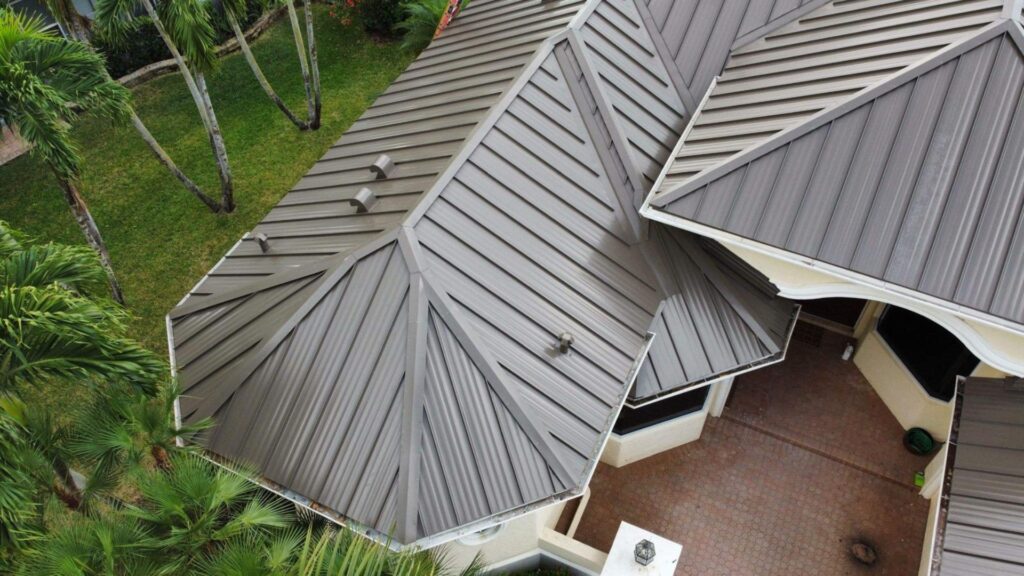
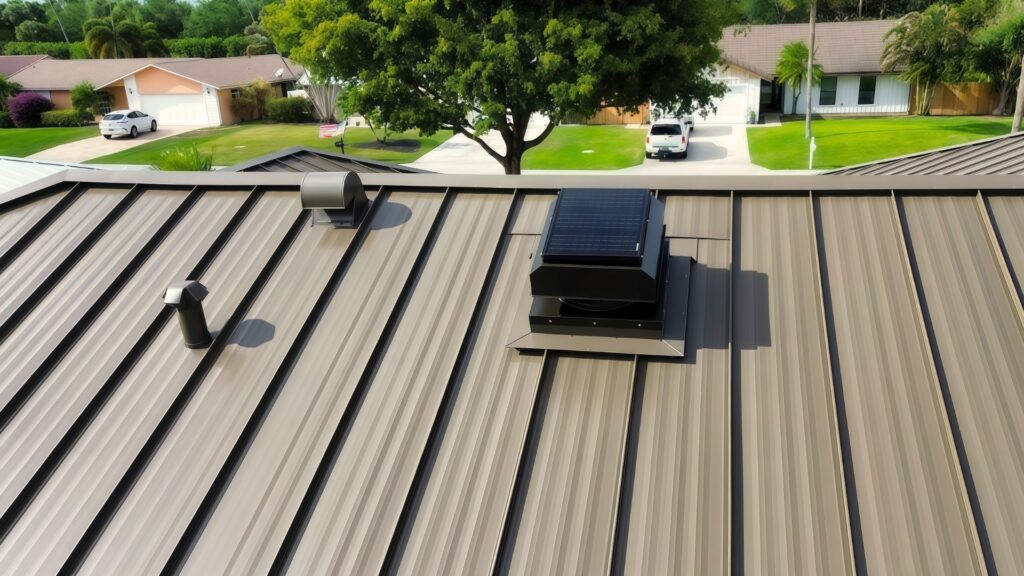
roof flashing protecting vulnerable roof areas from leaks

Roof Flashing and Roof Leak Prevention

The Role of Flashing in Preventing Roof Leaks Roof leaks rarely start in the middle of a roofing system. However, they often begin around vulnerable areas like chimneys, vents, skylights, and roof edges. Because these areas experience constant exposure to water and movement, proper roof flashing becomes critical for long-term protection. For this reason, understanding the role of roof flashing helps homeowners prevent expensive roofing damage before leaks spread. What Is Roof Flashing? Flashing protects vulnerable roof areas Roof flashing uses metal materials to seal transitions and openings throughout the roofing system. As a result, water moves safely away from areas where leaks commonly develop. Flashing supports the entire roofing system Flashing works together with shingles, underlayment, and drainage systems to keep moisture out. However, when flashing fails, water often enters hidden sections of the roof structure. According to the National Roofing Contractors Association (NRCA), flashing failures remain one of the most common causes of roof leaks. Where Roof Flashing Is Installed Around roof penetrations Flashing protects chimneys, vents, skylights, and pipes where openings interrupt the roofing surface. Because these areas expand and contract during temperature changes, they require proper sealing. Roof valleys and edges Roof valleys direct large amounts of water during storms. In addition, roof edges experience strong wind pressure during severe weather. Proper flashing installation helps protect both areas from water intrusion. Signs Roof Flashing May Be Failing Water stains or interior leaks Moisture stains on ceilings or walls often indicate flashing problems near roof penetrations. However, leaks may continue spreading long before homeowners notice visible damage. Rust or lifted flashing Damaged flashing may begin lifting, cracking, or corroding over time. As a result, water enters beneath roofing materials and weakens surrounding areas. According to InterNACHI, deteriorated flashing contributes to hidden moisture damage and structural deterioration. Why Flashing Matters in Florida Storms place extra stress on roofing systems Florida roofs experience heavy rain, humidity, and hurricanes year-round. Because of this, flashing must handle strong wind pressure and constant moisture exposure. According to FEMA, properly sealed roof systems help reduce water intrusion during severe weather events. Poor installation leads to future roof repair Even quality flashing materials fail when installation is rushed or incomplete. That’s why homeowners should work with experienced roofing contractors near me who focus on long-term workmanship. Protect Your Roof From Hidden Leaks Roof flashing may seem like a small detail. However, it plays a major role in protecting the entire roofing system from water damage. At Trade Productions, we focus on every layer of the roof system, including the details most homeowners never see. No shortcuts. No rushed work. Just roofing built the right way for Florida conditions. 📞 Contact Trade Productions today: (855) TRADE-FL📍 Schedule your professional roof inspection and make sure your roof flashing is protecting your home properly

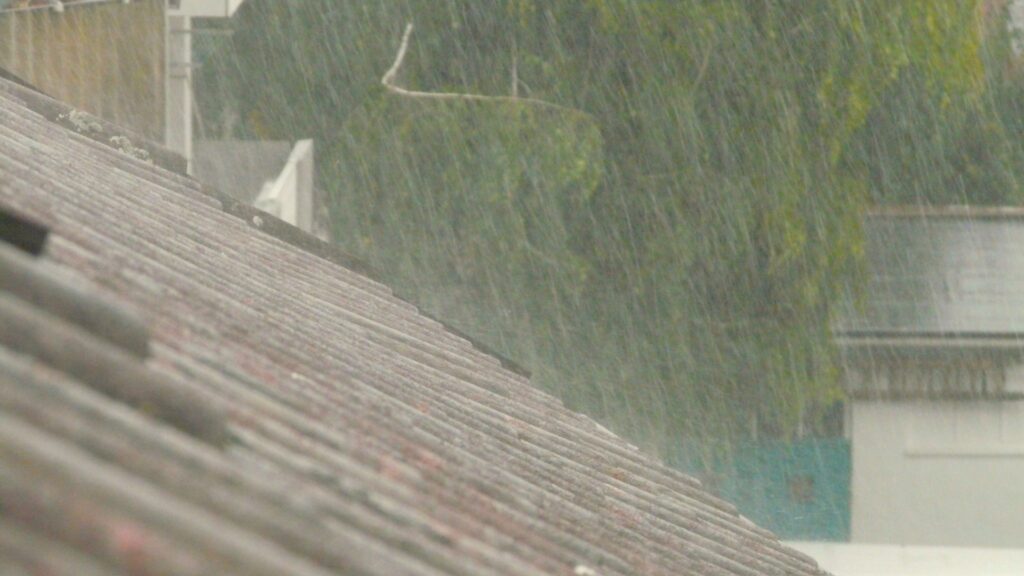
preparing your roof for high winds before Florida storm season

Preparing Your Roof for High Winds

Preparing Your Roof for High Winds: What Actually Works High winds expose every weakness in a roofing system. However, many homeowners wait until storm season arrives before thinking about roof protection. Because Florida storms create intense pressure on shingles, flashing, and roof edges, small vulnerabilities can quickly turn into major damage. For this reason, preparing your roof for high winds before storms arrive is one of the smartest ways to protect your home. Why High Winds Cause So Much Roof Damage Wind pressure attacks weak areas first Strong winds lift roofing materials around edges, flashing, and loose shingles. Once wind enters beneath the roof surface, damage spreads quickly across the system. As a result, even small weaknesses become serious roof repair problems. Storm damage is not always visible immediately A roof may appear fine after a storm while hidden damage develops underneath. According to FEMA, wind-driven rain can enter roofing systems through small openings and create long-term moisture damage. What Actually Helps Protect a Roof Regular roof inspections A professional roof inspection helps identify loose materials, weak flashing, and vulnerable areas before storms arrive. Because of this, homeowners reduce the risk of sudden roofing failure during high winds. Securing flashing and roof edges Roof edges and flashing experience the strongest wind pressure during storms. Proper fastening and sealing help keep these areas protected. Poorly installed flashing often becomes one of the first failure points during hurricanes. Replacing damaged materials early Cracked shingles, broken tiles, or aging materials weaken the roofing system. According to the National Roofing Contractors Association (NRCA), replacing damaged roofing materials early improves wind resistance and long-term roof performance. Why Proper Installation Matters Weak workmanship fails faster High winds expose poor roofing installation quickly. However, shortcuts during installation often stay hidden until severe weather arrives. That’s why choosing experienced roofing contractors near me matters long-term. Roof systems work together Roof decking, underlayment, flashing, and ventilation all help strengthen the roof system during storms. If one component fails, surrounding areas become more vulnerable. How Florida Homeowners Can Prepare Schedule inspections before storm season Waiting until after a storm often leads to larger roof repair costs. Instead, homeowners should schedule inspections before hurricane season begins. Work with an experienced roofing contractor Florida roofs require storm-resistant installation methods and attention to detail. According to InterNACHI, regular inspections and preventative maintenance help reduce storm-related roofing failures. Protect Your Roof Before the Next Storm Arrives Preparing your roof for high winds starts long before severe weather reaches your home. At Trade Productions, we build roofing systems designed to handle Florida storms the right way. No shortcuts. No rushed work. Just quality workmanship built for long-term protection. 📞 Contact Trade Productions today: (855) TRADE-FL📍 Schedule your roof inspection or storm preparation estimate before high winds expose hidden roofing problems

moisture inside roof system causing hidden structural damage

Moisture Inside Roof System: Hidden Roofing Damage

How Moisture Gets Trapped Inside Your Roof System Moisture problems do not always start with a visible leak. However, trapped moisture inside a roof system can quietly damage insulation, decking, and structural components for months before homeowners notice anything wrong. Because Florida heat and humidity create ideal conditions for moisture buildup, roofing systems require proper ventilation and waterproofing. For this reason, understanding how moisture gets trapped helps homeowners prevent serious roofing damage. Why Moisture Inside a Roof System Is Dangerous Hidden damage spreads over time Moisture often enters small openings around flashing, vents, or damaged materials. However, once water becomes trapped beneath the roof surface, the damage continues spreading quietly. As a result, homeowners may face mold growth, wood rot, and expensive roof repair costs later. Florida weather increases moisture risks Florida roofs experience heavy rain, humidity, and heat year-round. Because of this, roofing systems in Florida remain more vulnerable to trapped moisture than roofs in drier climates. According to FEMA, moisture intrusion after storms can weaken roofing structures over time. Common Causes of Trapped Roof Moisture Poor attic ventilation Ventilation allows heat and moisture to escape from the attic space. Without proper airflow, warm humid air becomes trapped beneath the roof system. According to InterNACHI, poor attic ventilation contributes to mold growth and premature roofing deterioration. Damaged flashing and seals Flashing protects vulnerable areas around chimneys, vents, and roof edges. However, damaged flashing often allows moisture to enter hidden sections of the roofing system. Small openings can create major long-term damage. Improper roof installation Poor workmanship increases the risk of trapped moisture beneath roofing materials. Because of this, improperly installed underlayment, drainage systems, or roofing layers often fail faster during Florida storms. Signs Moisture May Be Trapped Inside the Roof Musty odors or indoor humidity Excess moisture inside the attic may create strong odors or increased indoor humidity levels. This usually indicates poor ventilation or hidden moisture buildup. Stains or discoloration Water stains on ceilings or attic surfaces often suggest moisture intrusion beneath the roofing system. However, visible stains usually appear after damage has already spread. Sagging or soft roof areas Moisture weakens roof decking over time. As a result, sections of the roof may begin sagging or feeling soft beneath the surface. Why Professional Roof Inspection Matters Hidden moisture requires trained evaluation A professional roof inspection helps identify trapped moisture before major structural damage develops. According to the National Roofing Contractors Association (NRCA), early detection improves roof lifespan and prevents larger roofing failures. Quality workmanship protects the entire system An experienced roofing contractor understands how ventilation, waterproofing, and installation quality work together to protect the roof system long-term. That attention to detail matters. Protect Your Roof From Hidden Moisture Damage Moisture inside a roof system can create serious damage long before leaks appear indoors. At Trade Productions, we inspect roofing systems thoroughly and build roofs designed for Florida conditions. No shortcuts. No rushed work. Just quality craftsmanship built to last. 📞 Contact Trade Productions today: (855) TRADE-FL📍 Schedule your professional roof inspection and protect your roof from hidden moisture damage

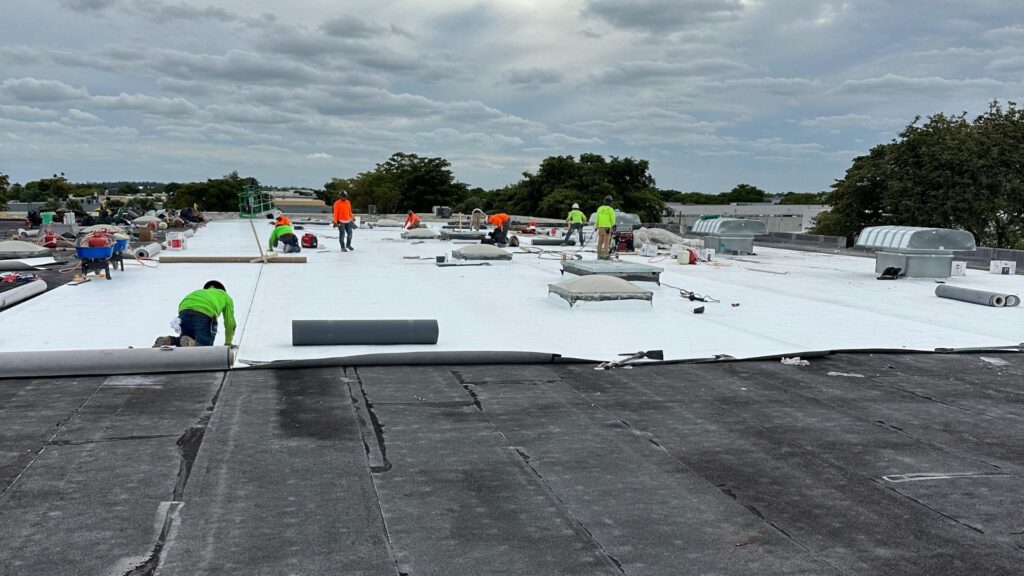
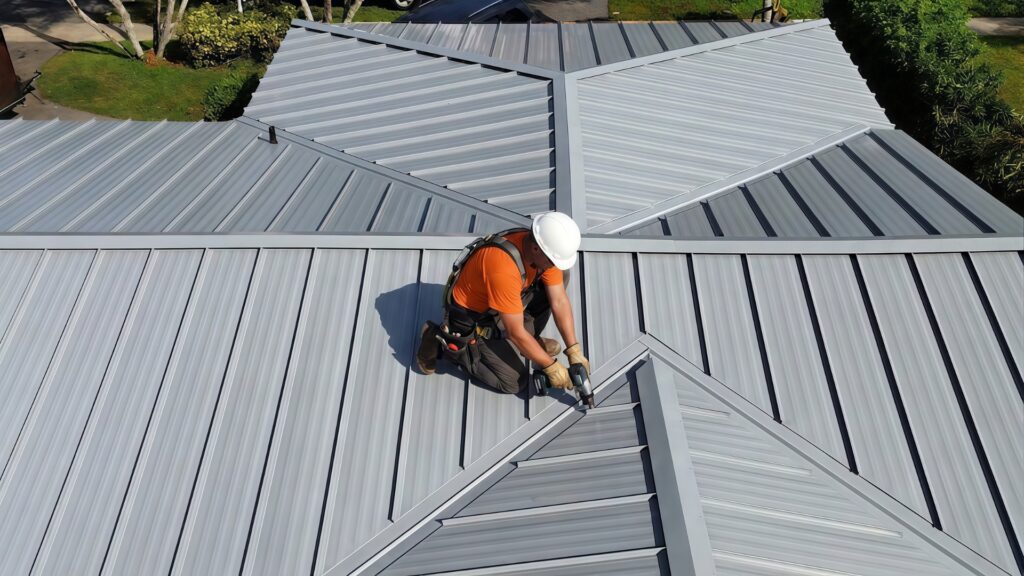
roof replacement showing roofing system layers beneath the surface

Roof Replacement: What Happens Beneath the Surface

Roof Replacement Done Right: What Happens Beneath the Surface A roof replacement is more than installing new shingles or tile. However, many homeowners only see the finished surface and not the critical work underneath. Because hidden components protect the entire roofing system, skipping important steps can lead to leaks, moisture damage, and early failure. For this reason, quality roof replacement starts beneath the surface long before the final materials go on. Why the Structure Beneath the Roof Matters Roofing systems work in layers A roof protects the home through multiple connected components. Decking, underlayment, flashing, ventilation, and drainage all work together to prevent water intrusion. As a result, problems beneath the surface often create major roofing failures later. Surface materials alone are not enough New shingles or tiles cannot fix hidden structural issues underneath. According to the National Roofing Contractors Association (NRCA), proper installation and substrate preparation directly affect roof lifespan and performance. What Professionals Inspect During Roof Replacement Roof decking condition Roof decking provides structural support for the entire roofing system. However, moisture damage or rot weakens that support over time. A professional roofing contractor inspects the decking carefully before installation begins. Underlayment and moisture barriers Underlayment creates an additional layer of water protection beneath roofing materials. Because Florida storms bring heavy rain and wind-driven moisture, proper waterproofing is critical. According to FEMA, secondary water barriers improve roof protection during severe weather events. Flashing and vulnerable areas Flashing protects roof penetrations, valleys, and edges where leaks commonly begin. Poor flashing installation remains one of the leading causes of roof repair problems after replacement projects. Why Ventilation Matters During Roof Replacement Heat and moisture affect roof lifespan Attic ventilation controls heat buildup and moisture inside the roofing system. Without proper airflow, roofing materials may deteriorate faster over time. According to InterNACHI, poor ventilation contributes to mold growth, trapped heat, and premature roofing failure. Proper airflow improves performance Balanced ventilation helps extend roof lifespan and improve energy efficiency. This becomes especially important in Florida’s hot and humid climate. Why Quality Workmanship Makes the Difference Shortcuts stay hidden at first Poor workmanship beneath the surface may not create immediate leaks. However, hidden problems often appear months or years later. That’s why homeowners should choose experienced roofing contractors near me who focus on long-term performance. Roofing should be done the right way A professional roof replacement requires attention to every layer of the roofing system, not just the visible materials. That process protects the home long-term. Protect Your Home With a Quality Roof Replacement A roof replacement should strengthen your entire roofing system from the structure up. At Trade Productions, we focus on quality workmanship beneath every roof we install. No shortcuts. No rushed work. Just roofing systems built to handle Florida conditions the right way. 📞 Contact Trade Productions today: (855) TRADE-FL📍 Schedule your roof inspection or estimate and learn what your roof replacement truly requires beneath the surface

roof inspection Florida homeowners should schedule yearly

Roof Inspection Florida: How Often Is Necessary?

Roof Inspection Florida: How Often Is Actually Necessary? Florida roofs take a beating year-round. However, many homeowners wait until leaks appear before scheduling a roof inspection. Because heat, humidity, storms, and hurricanes constantly stress roofing systems, hidden damage often develops long before visible signs appear. For this reason, regular roof inspection in Florida is one of the smartest ways to prevent expensive roofing problems. Why Roof Inspections Matter in Florida Florida weather accelerates roof wear Strong UV exposure, heavy rain, and hurricane conditions place constant pressure on roofing materials. As a result, roofs in Florida typically experience faster wear than roofs in milder climates. Hidden damage spreads over time Small roofing issues rarely stay small. However, moisture intrusion and weakened materials continue deteriorating beneath the surface. According to FEMA, water entering through minor roof openings can create long-term structural damage. How Often Should Florida Homeowners Schedule Roof Inspection? Once per year is the minimum Most roofing contractors recommend scheduling a professional roof inspection at least once every year. This helps identify loose materials, flashing damage, drainage problems, and hidden moisture issues early. After every major storm Florida homeowners should also schedule a roof inspection after hurricanes, tropical storms, or severe wind events. Because storm damage is not always visible from the ground, professional inspections help detect hidden vulnerabilities before they worsen. Older roofs require more attention As roofing systems age, materials become more vulnerable to cracking, lifting, and water intrusion. According to the National Roofing Contractors Association (NRCA), older roofs benefit from more frequent inspections and maintenance. What Happens During a Professional Roof Inspection? Roofing materials are evaluated A roofing contractor checks shingles, tile, flashing, sealants, and drainage systems for signs of deterioration. This helps prevent future roof repair or premature roof replacement. Attic and ventilation systems are inspected Moisture problems often begin inside the attic before leaks become visible indoors. According to InterNACHI, poor attic ventilation contributes to mold growth, trapped heat, and roofing system deterioration. Why Regular Roof Inspection Saves Money Small repairs cost less Early detection helps homeowners fix minor issues before they become major structural repairs. As a result, regular inspections often reduce long-term roofing expenses. Preventative maintenance extends roof lifespan Roofing systems last longer when homeowners address damage early and maintain proper drainage and ventilation. That’s especially important in Florida conditions. Protect Your Roof With Regular Inspections Roof problems rarely improve on their own. However, regular roof inspection helps protect your home, reduce repair costs, and extend roof lifespan. At Trade Productions, we inspect roofing systems carefully and thoroughly. No shortcuts. No rushed evaluations. Just honest inspections built around long-term protection. 📞 Contact Trade Productions today: (855) TRADE-FL📍 Schedule your professional roof inspection and protect your roof before hidden damage spreads

roof repair near me showing signs of poor roofing workmanship

Roof Repair: Signs of Poor Roofing Work

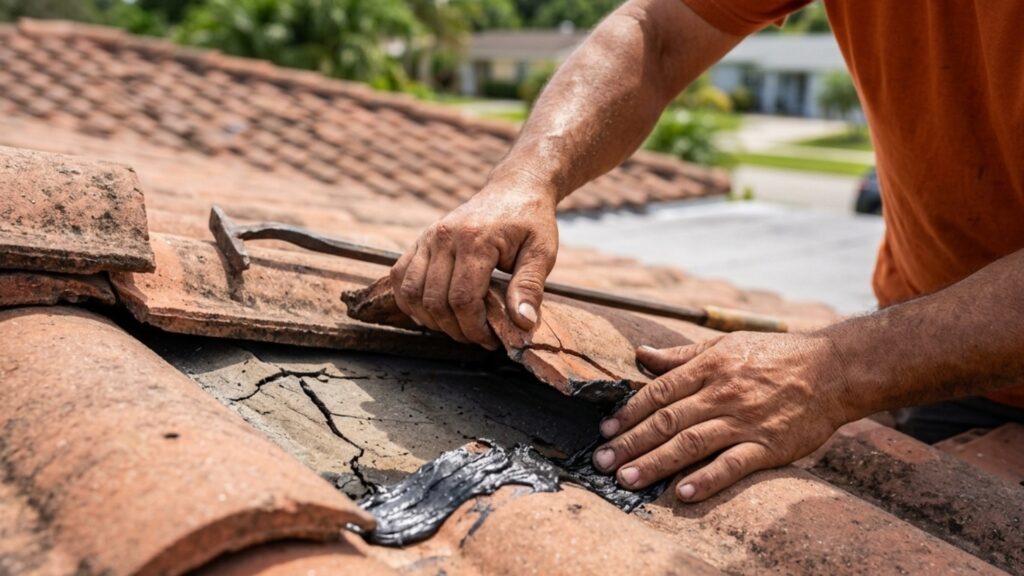
Roof Repair: How to Spot Poor Work Before It Fails Not every roof repair solves the real problem. However, poor workmanship often stays hidden until leaks, moisture, or structural damage appear later. Because roofing systems depend on proper installation and attention to detail, low-quality repairs can fail faster than homeowners expect. For this reason, knowing how to spot poor roofing work matters before small issues become expensive repairs. Why Poor Roof Repairs Cause Bigger Problems Quick fixes rarely last Some contractors focus on temporary patches instead of long-term solutions. However, surface-level repairs often leave hidden damage underneath. As a result, water continues spreading through the roofing system. Florida weather exposes weak repairs fast Heavy rain, humidity, and storms place constant pressure on roofing systems. Because of this, poor roof repair work usually fails quickly in Florida conditions. According to FEMA, even small roof openings allow moisture intrusion during severe weather. Signs of Poor Roofing Work Uneven or loose materials Shingles, tiles, or flashing should sit evenly and securely. However, poor installation often leaves gaps, lifted edges, or loose materials. These issues increase the risk of leaks and future roof repair. Visible nails or messy sealing Professional roofing work should look clean and properly sealed. Exposed nails, excessive caulking, or sloppy finishes usually indicate rushed workmanship. Mismatched materials Some contractors use incompatible or lower-quality materials during repairs. As a result, repaired areas may deteriorate faster than the rest of the roof. Drainage problems after repairs Water should flow correctly off the roof after repairs are completed. According to InterNACHI, poor drainage contributes to trapped moisture, mold growth, and roof deterioration over time. Why Professional Roof Inspection Matters Hidden damage is easy to miss A roof may look repaired from the outside while hidden issues continue underneath. Because of this, a professional roof inspection helps verify the quality of previous repairs. Experienced contractors notice warning signs early A skilled roofing contractor knows where roofing systems commonly fail and how poor workmanship affects long-term performance. According to the National Roofing Contractors Association (NRCA), proper installation directly impacts roof durability and weather resistance. How Homeowners Can Avoid Poor Roofing Work Don’t choose contractors based only on price Cheap repairs often create larger expenses later. Instead, homeowners should focus on experience, workmanship, and detailed inspections. Work with trusted roofing contractors Reliable roofing contractors near me provide clear communication, quality materials, and proper installation standards. That difference matters long-term. Protect Your Home With Quality Roof Repair A roof repair should strengthen your roofing system, not create new problems later. At Trade Productions, we focus on repairs built to last. No shortcuts. No rushed work. Just honest inspections and quality craftsmanship designed for Florida conditions. 📞 Contact Trade Productions today: (855) TRADE-FL📍 Schedule your roof inspection or estimate and make sure your roof repair is done the right way

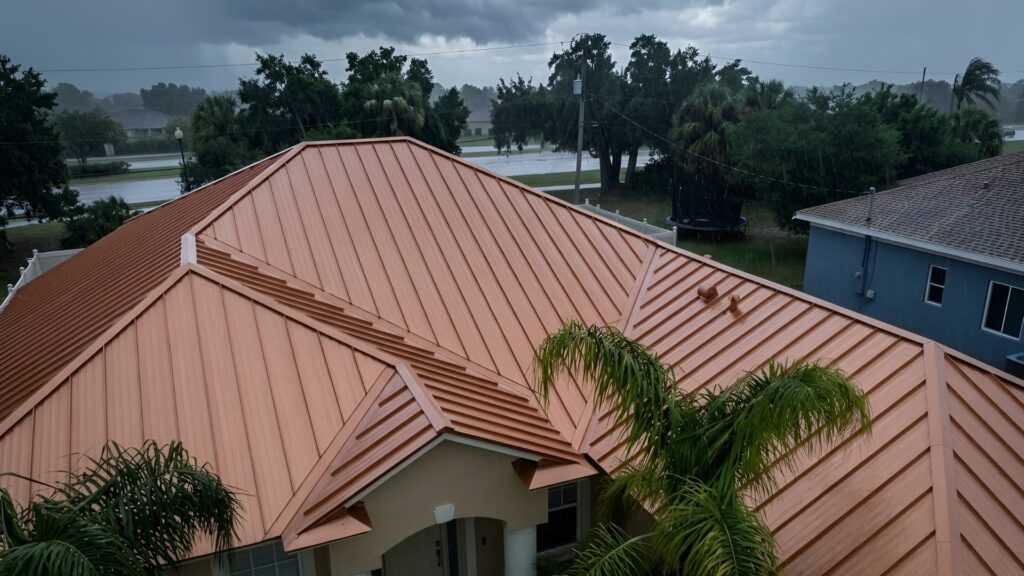
Florida storm season affecting residential roof lifespan

Florida Storm Season and Roof Lifespan

Florida Storm Season: How It Impacts Roof Lifespan Florida roofs face pressure almost year-round. However, storm season creates the most damage in the shortest amount of time. Because heavy rain, hurricanes, humidity, and strong winds constantly stress roofing systems, roofs in Florida often age faster than homeowners expect. For this reason, understanding how Florida storm season affects roof lifespan helps homeowners protect their investment before problems become serious. Why Florida Storm Season Matters Roofs face repeated weather exposure Storm season brings constant wind, rain, and flying debris. Even when visible damage seems minor, repeated exposure slowly weakens roofing materials over time. As a result, roofing systems lose durability faster. Moisture causes hidden deterioration Water intrusion does not always create immediate leaks. Instead, moisture often spreads beneath roofing materials and damages hidden areas first. According to FEMA, wind-driven rain can enter small roof openings and create long-term structural damage. How Storm Season Reduces Roof Lifespan Wind weakens roofing materials Strong winds loosen shingles, flashing, and seals during storms. Because of this, roofing systems become more vulnerable after every major weather event. UV exposure accelerates aging Florida heat and sunlight continue damaging roofing materials between storms. As a result, shingles, membranes, and sealants wear down faster over time. This often increases the need for roof repair. Poor drainage creates moisture problems Heavy rain places pressure on gutters and drainage systems. However, blocked drainage can trap water on the roof surface. According to InterNACHI, standing water and trapped moisture increase roof deterioration and mold risks. Why Regular Roof Inspection Matters Hidden damage grows over time Many roofing issues remain unnoticed after storms. However, small vulnerabilities continue spreading beneath the surface. A professional roof inspection helps identify damage before it becomes a major repair. Maintenance extends roof lifespan According to the National Roofing Contractors Association (NRCA), regular inspections and maintenance improve long-term roof performance and durability. This is especially important in Florida conditions. How Homeowners Can Protect Their Roof Schedule inspections after major storms A roofing contractor can identify loose materials, flashing damage, and hidden moisture problems early. Because of this, homeowners avoid larger roof replacement costs later. Work with experienced roofing contractors Florida roofs require proper installation and storm-resistant workmanship. That’s why choosing experienced roofing contractors near me matters long-term. Protect Your Roof During Florida Storm Season Storm season is unavoidable in Florida. However, proper inspections, maintenance, and quality workmanship make a major difference. At Trade Productions, we build roofing systems designed for Florida weather. No shortcuts. No rushed work. Just long-term protection built the right way. 📞 Contact Trade Productions today: (855) TRADE-FL📍 Schedule your roof inspection or storm damage assessment before hidden issues shorten your roof lifespan

roofing contractors near me providing professional roof inspection

Roofing Contractors: Avoid Cheap Bids

Why Cheap Bids Usually Mean Expensive Problems The cheapest roofing estimate often becomes the most expensive mistake. However, many homeowners focus only on price without understanding what low bids usually leave out. Because roofing systems protect the entire home, cutting corners during installation or repair creates serious long-term risks. For this reason, choosing the right roofing contractor matters far more than choosing the cheapest one. Why Cheap Roofing Bids Are Risky Low prices usually mean shortcuts Roofing materials, labor, insurance, and safety requirements cost money. Because of this, extremely low bids often reduce quality somewhere in the project. In many cases, contractors cut corners on labor, materials, or installation standards. Poor workmanship leads to bigger problems Improper installation weakens the entire roofing system. As a result, homeowners may face leaks, moisture damage, and premature roof replacement. According to the National Roofing Contractors Association (NRCA), proper installation directly affects roof lifespan and weather resistance. Common Problems Behind Cheap Roofing Estimates Low-quality materials Some contractors use lower-grade materials to reduce costs. However, cheaper products often fail faster under Florida heat and storms. This increases the need for future roof repair. Inexperienced labor Roofing requires skill and precision. Unfortunately, low-budget projects often rely on inexperienced crews or rushed installation. Because of this, flashing, sealing, and ventilation problems become more common. Missing permits or insurance Some contractors avoid permits or proper insurance coverage to lower pricing. As a result, homeowners may become financially responsible if problems occur during the project. According to FEMA, building code compliance improves roof performance during severe weather events. Why Florida Homeowners Should Be Careful Storms expose weak roofing work fast Florida roofs face hurricanes, heavy rain, humidity, and intense UV exposure year-round. Because of this, poor workmanship rarely stays hidden for long. Small mistakes become expensive repairs A minor installation issue today can become major structural damage later. According to InterNACHI, moisture intrusion often starts through poorly installed flashing or roofing materials. What Homeowners Should Look For Instead Detailed inspections and clear estimates Professional roofing contractors explain the full scope of work clearly. In addition, they provide detailed inspections and transparent recommendations. Experience and workmanship A reliable roofing contractor focuses on long-term performance, not just low pricing. That includes proper installation, quality materials, and attention to detail. Invest in Quality Roofing Work A roof protects everything underneath it. However, cheap roofing work often creates expensive problems later. At Trade Productions, we believe roofing should be done the right way from the start. No shortcuts. No rushed jobs. Just quality workmanship built for Florida conditions. 📞 Contact Trade Productions today: (855) TRADE-FL📍 Schedule your roof inspection or estimate and work with a team that values quality over shortcuts

storm damage on roofs after repeated hurricanes in Florida

Storm Damage on Roofs: Long-Term Effects

The Long-Term Effects of Repeated Storm Damage on Roofs Storm damage does not always happen all at once. However, repeated exposure to heavy rain, strong winds, and hurricanes slowly weakens roofing systems over time. Because many problems stay hidden after each storm, damage continues building beneath the surface. For this reason, homeowners should understand how recurring storm damage affects long-term roof performance. Why Repeated Storm Damage Matters Roof systems weaken over time Every storm places stress on roofing materials. Even when damage looks minor, repeated exposure slowly reduces the roof’s ability to protect the home. As a result, small weaknesses become larger structural problems. Hidden damage continues spreading A roof may survive one storm without visible leaks. However, loosened shingles, damaged flashing, or weakened seals often remain unnoticed. According to FEMA, water intrusion can continue through small openings long after a storm passes. Common Long-Term Effects of Storm Damage Moisture trapped beneath roofing materials Storm-driven rain often enters hidden areas beneath shingles or underlayment. Because of this, moisture may damage insulation, decking, and structural components over time. Faster material deterioration Florida heat and humidity accelerate wear after storms. As a result, roofing materials may age faster than expected. This often increases the need for roof repair or premature roof replacement. Flashing and seal failure Flashing protects roof penetrations and edges. However, repeated storm pressure weakens these vulnerable areas. Over time, failed flashing becomes one of the leading causes of roof leaks. Structural weakening Moisture buildup and repeated wind stress gradually weaken roof decking and support systems. According to InterNACHI, hidden structural deterioration often develops before homeowners notice visible signs inside the home. Why Florida Roofs Face Higher Risk Hurricanes create repeated stress Florida roofs experience severe weather conditions year after year. Because of this, even well-built roofs require regular maintenance and inspections. Storm damage is cumulative over time. Small repairs become major costs Ignoring minor storm damage often leads to expensive repairs later. According to the National Roofing Contractors Association (NRCA), early inspections help reduce long-term roofing costs and extend roof lifespan. How Homeowners Can Protect Their Roof Schedule regular roof inspections A professional roof inspection helps identify hidden storm damage before it spreads further. This is especially important after hurricanes or severe weather events. Work with an experienced roofing contractor Not all storm damage is easy to spot. A skilled roofing contractor understands how repeated storms affect roofing systems over time. That experience matters in Florida conditions. Protect Your Roof Before Storm Damage Gets Worse Repeated storms slowly weaken even strong roofing systems. However, regular inspections and quality repairs help protect your home long-term. At Trade Productions, we build and repair roofs designed for Florida weather. No shortcuts. No rushed work. Just roofing systems built to last. 📞 Contact Trade Productions today: (855) TRADE-FL📍 Schedule your roof inspection or storm damage assessment before hidden issues become major repairs

Scroll to Top