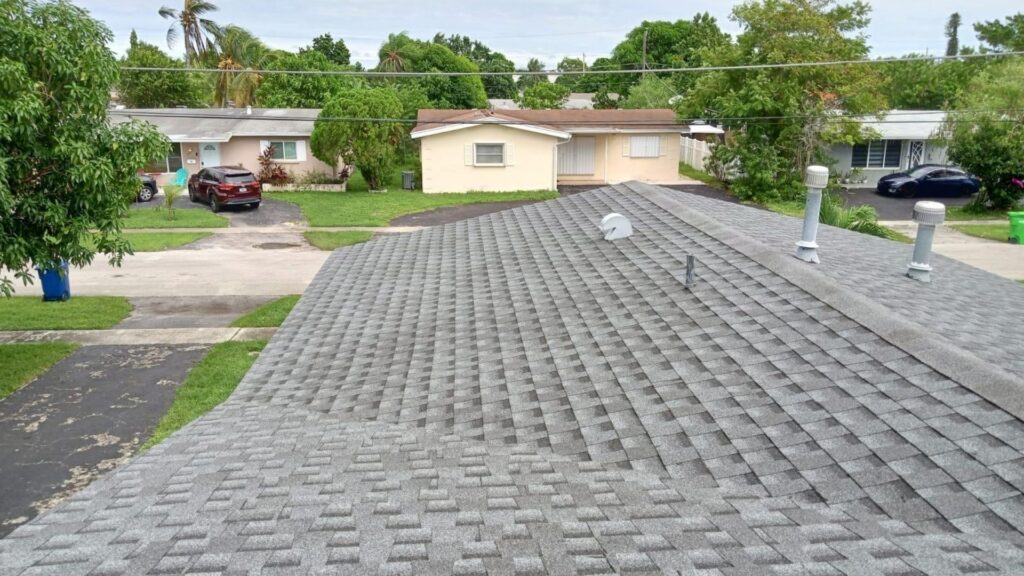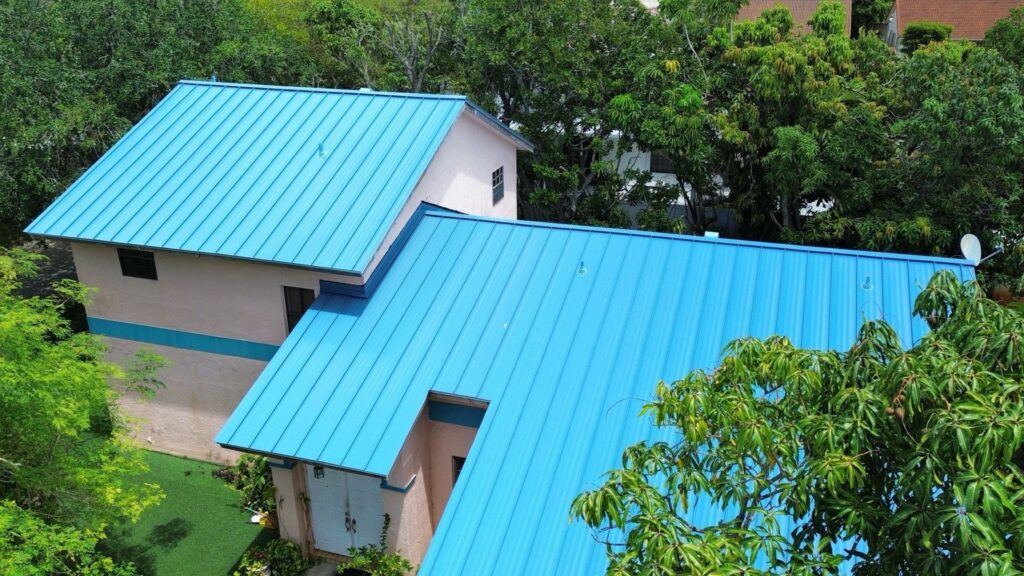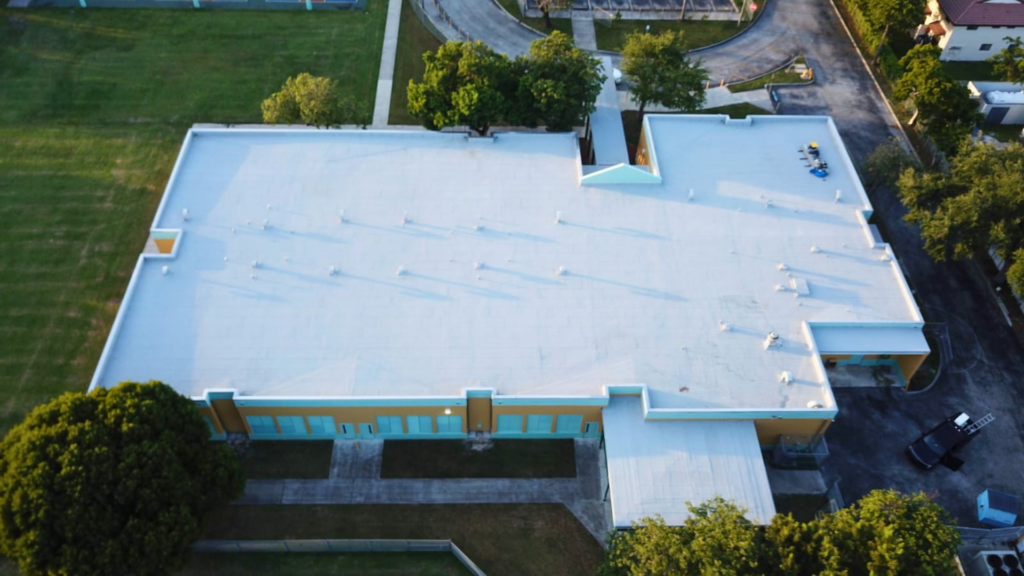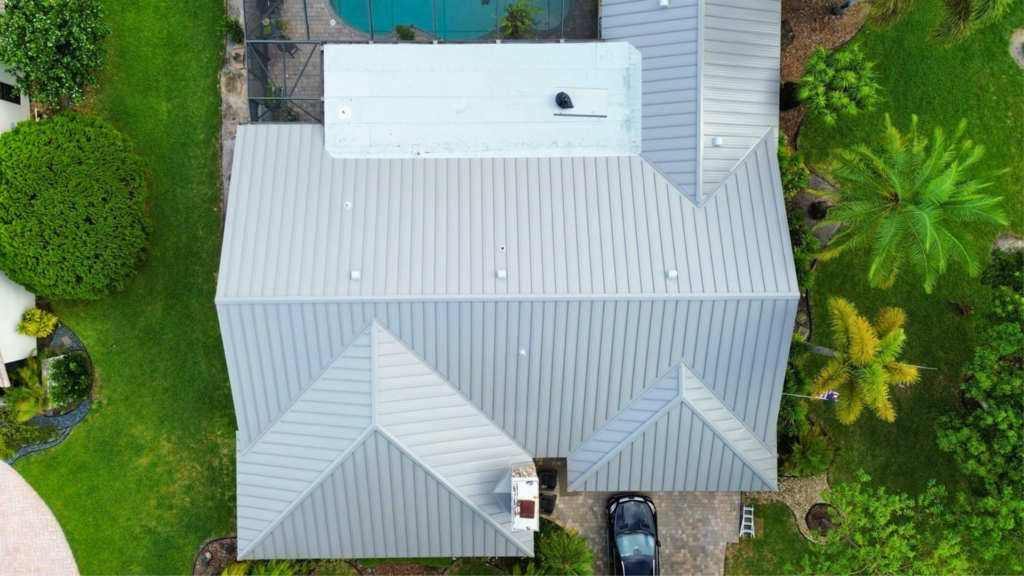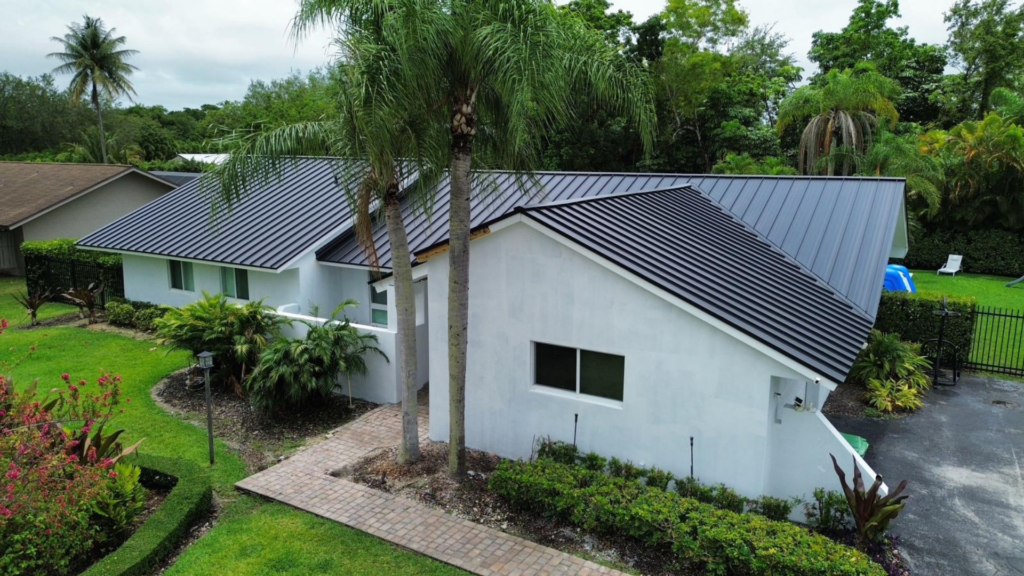
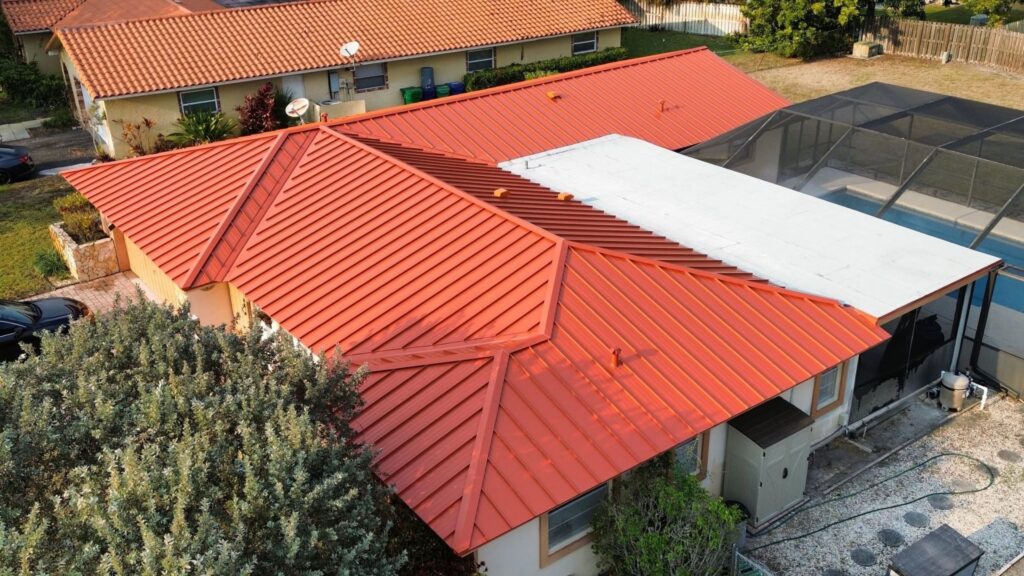
Roofing systems

Roof Maintenance Services: What Protects Your Roof

What Protects Your Roof That You Never See (Underlayment, Flashing, Ventilation) Most homeowners focus on what they can see: shingles, tiles, or metal panels. But the true strength of a roof comes from what lies underneath. A complete roofing system includes several hidden components that work together to protect your home. Professional roof maintenance services focuses on these elements to prevent long-term damage. Underlayment: Your Second Line of Defense Underlayment is installed beneath the outer roofing material. It acts as a barrier that protects the roof deck from water intrusion. During heavy rain or storms, water can penetrate the outer layer. Underlayment helps prevent moisture from reaching the structure. According to the National Roofing Contractors Association (NRCA), underlayment is a critical part of any roofing system and plays a key role in preventing leaks. Flashing: Protecting Vulnerable Areas Flashing is installed around chimneys, vents, roof edges, and valleys. These areas are more vulnerable to leaks because they involve transitions between surfaces. Proper flashing prevents water from entering the roofing system at these critical points. The Federal Emergency Management Agency (FEMA) notes that improperly installed flashing is one of the most common causes of roof leaks during storms. Ventilation: Controlling Heat and Moisture Ventilation allows air to circulate through the attic and roofing system. This helps regulate temperature and moisture levels. Without proper ventilation, heat and humidity can build up inside the attic. Over time, this can damage insulation, weaken structural components, and shorten the lifespan of the roof. The U.S. Department of Energy explains that proper attic ventilation reduces moisture buildup and improves overall roof performance. Why These Components Matter Each part of the roofing system plays a specific role. If one component fails, the entire system becomes vulnerable. Hidden issues such as damaged underlayment, loose flashing, or poor ventilation often lead to expensive roof repair or full replacement. That is why professional roof inspection services are essential. Contractors evaluate these components to ensure the system works. Build a Roofing System That Lasts At Trade Productions, we focus on every layer of the roofing system, not just the surface. Our approach ensures long-term protection, durability, and performance in Florida’s demanding climate. If you are searching for roof maintenance services or need a professional inspection, contact Trade Productions today to schedule an evaluation and protect your home from hidden damage.

Storm Damage Roof Repair: Most Vulnerable Areas

The Most Vulnerable Parts of a Roof During a Storm During a storm, not all parts of your roof face the same level of stress. Certain areas are more exposed to wind, rain, and debris. Understanding these weak points helps homeowners prevent damage and reduce the need for storm damage roof repair. Roof Edges and Perimeter Roof edges are one of the most vulnerable areas during high winds. Wind pressure is strongest at the perimeter, which can lift roofing materials. Once the edge is compromised, the rest of the roof becomes more exposed. Wind uplift often starts at roof edges and can spread across the entire system. Flashing Around Openings Flashing protects areas where the roof meets other structures, such as chimneys, vents, and skylights. If flashing is loose or improperly installed, water can easily enter the roofing system. Flashing failures are a common source of leaks after severe weather. Roof Valleys Valleys are where two roof slopes meet. These areas naturally collect and channel water. During heavy rain, valleys handle large volumes of water. If they are not properly sealed, leaks can develop quickly. This is one of the most common areas requiring roof leak repair after storms. Roofing Materials and Fasteners Shingles, tiles, or metal panels rely on proper fastening to stay in place. High winds can loosen these materials or expose fasteners. Once fasteners are compromised, the roofing system becomes vulnerable to both wind and water damage. The International Association of Certified Home Inspectors (InterNACHI) explains that loose materials can lead to rapid deterioration during storms. Underlayment and Secondary Protection Underlayment acts as a backup barrier when the outer layer is damaged. If water reaches this layer, it can still protect the roof temporarily. However, once underlayment fails, water can reach the roof deck and cause structural damage. Protect Your Roof Before the Next Storm Knowing the most vulnerable areas of your roof helps you take preventive action before severe weather arrives. A professional roof inspection can identify weak points and ensure your roofing system is ready for Florida’s storms. At Trade Productions, we focus on building strong roofing systems designed to withstand extreme conditions. Our team identifies vulnerabilities and provides solutions that protect your home long-term. If you are searching for roofing contractors near me or want to prepare your roof for storm season, contact Trade Productions today to schedule a professional inspection.

roof installation designed to withstand high winds in Florida

Roof Installation: Strong Systems for High-Wind Areas

What Makes a Roof System Strong in High-Wind Areas Like South Florida? In South Florida, roofs must do more than look good. They must withstand strong winds, heavy rain, and severe storms. A strong roofing system depends on more than materials. It depends on proper roof installation. Every layer of the roof must work together to protect the home. When one part fails, the entire system becomes vulnerable. Wind Uplift Resistance One of the most important factors in high-wind areas is wind uplift resistance. Strong winds create pressure that can lift roofing materials off the structure. Proper fastening patterns help keep materials securely attached to the roof deck. According to the Federal Emergency Management Agency (FEMA), roofs installed with proper fastening systems are more resistant to wind damage during storms. This is why professional roofing contractors near me follow strict installation guidelines in Florida. Proper Fastening and Installation Techniques Fasteners must be installed in the correct pattern and depth. Poor fastening can weaken the entire roofing system. The National Roofing Contractors Association (NRCA) explains that correct installation techniques are essential for roof performance and durability. Even high-quality materials can fail if they are not installed correctly. Underlayment and Waterproofing Underlayment acts as a secondary barrier against water intrusion. In high-wind storms, rain can be forced under roofing materials. A properly installed underlayment helps prevent water from reaching the roof deck. This layer plays a critical role in protecting the home during extreme weather. Edge Details and Flashing Roof edges and flashing are some of the most vulnerable areas during a storm. If these areas are not secured correctly, wind and water can penetrate the system. Proper edge metal installation and flashing placement help seal the roof and prevent damage. Code Compliance Matters Florida has some of the strictest building codes in the country due to hurricane risks. These codes ensure roofs are built to handle extreme conditions. Contractors must follow these standards to provide safe and durable roofing systems. Build a Roof System That Lasts A strong roof is not just about materials. It is about how every component works together through proper installation. At Trade Productions, we build roofing systems designed for strength, durability, and long-term protection. Our team focuses on precision and proven installation methods that perform in Florida’s toughest conditions. If you are planning a roof replacement or searching for experienced roofing contractors near me, contact Trade Productions today to schedule a professional inspection and protect your home with a roof built to last.

Scroll to Top