roofing contractor

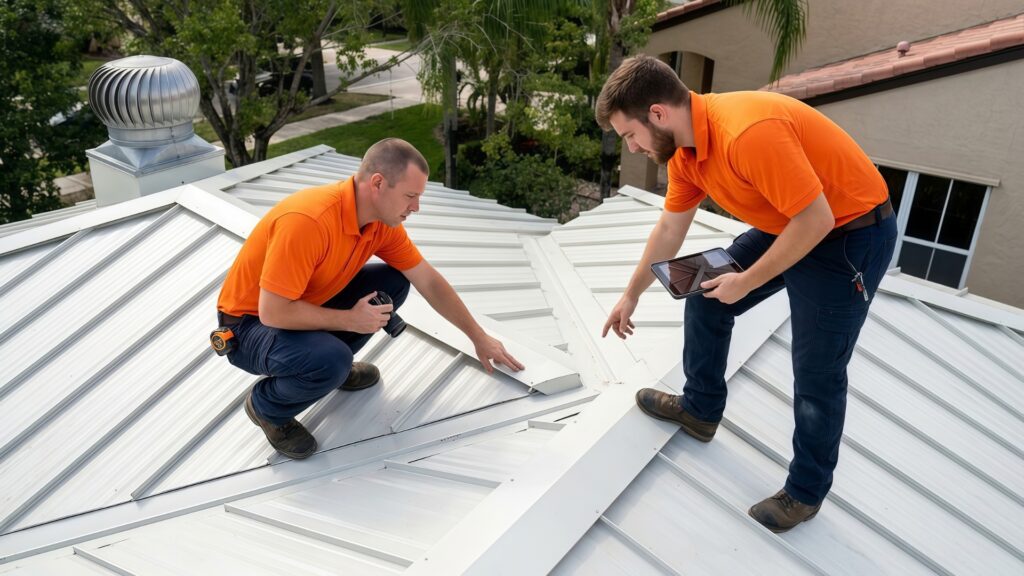
Roofing contractor doing a roof inspection before selling a Florida home

Roof Inspection Before Selling: What Buyers Want

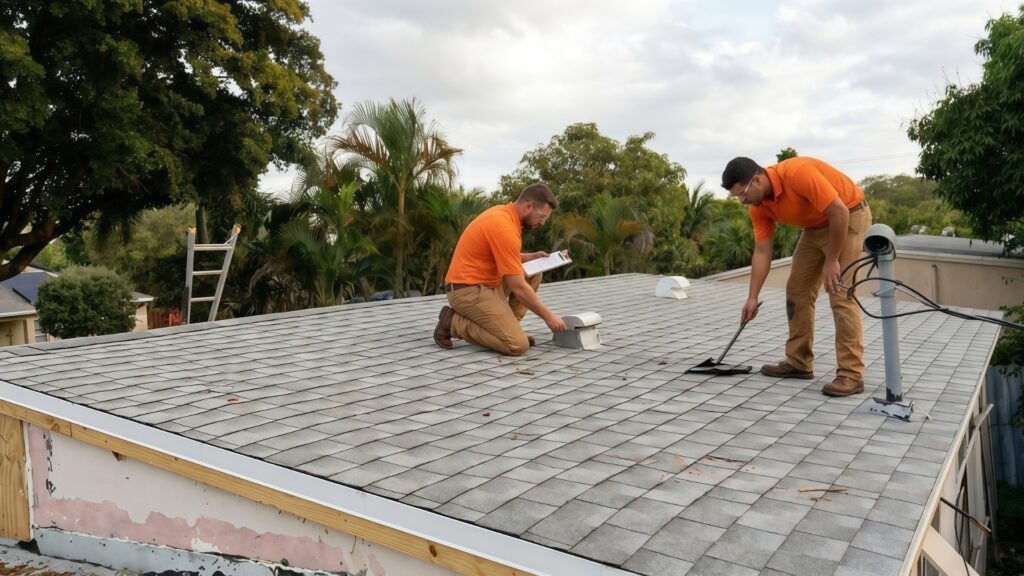
Roof Inspection Before Selling Your Home in Florida: What Buyers Look For Selling your home in Florida? Buyers will look up before they sign. The roof ranks among the first things they question. A roof inspection before selling helps you spot problems early, price your home right, and avoid last-minute surprises at closing. Why a Roof Inspection Before Selling Pays Off Most buyers hire a home inspector. According to the InterNACHI Standards of Practice, home inspectors check the roof covering, flashing, gutters, and signs of leaks. So, if your roof has problems, the buyer will find them. When you inspect first, you stay in control. You can fix issues on your terms. Or, you can price the home with the roof’s condition in mind. Either way, you avoid tough renegotiations late in the deal. What Buyers Look For in a Roof Inspection Before Selling Roof Age and Remaining Life Buyers want to know how many good years the roof has left. In Florida, many insurance companies also look closely at roof age and condition. An older roof can make coverage harder or more expensive for the buyer. Missing or Damaged Shingles Cracked, curling, or missing shingles raise red flags fast. They suggest wind damage or neglect. Buyers often read them as a sign of bigger hidden problems. Leaks and Water Stains Stains on ceilings or in the attic worry every buyer. Water damage can lead to mold and rot. A clean attic tells buyers the roof does its job. Energy Efficiency Florida heat drives up cooling costs. According to Energy.gov, cool roofs reflect more sunlight and help lower roof temperatures. Buyers notice a roof that helps keep energy bills down. Roof Repair or Roof Replacement Before You List? Not every issue calls for a new roof. Often, a targeted roof repair fixes flashing, shingles, or small leaks at a fair cost. However, a worn-out roof may need a full roof replacement. In that case, a new roof can become a strong selling point in your listing. The NRCA recommends that a professional roofing contractor inspect your roof at least twice a year. Before a sale, that step matters even more. How to Choose the Right Roofing Contractor Many sellers search “roofing contractors near me” and hire the first name they see. Instead, look for a licensed, insured, local crew. Ask for photos, a written report, and a clear estimate. Good documentation also builds trust with buyers. Schedule Your Roof Inspection Before Selling At Trade Productions, we inspect every roof the right way. We check shingles, flashing, decking, and drainage. Then, we give you an honest report you can share with buyers. No pressure. No shortcuts. Getting ready to list your home? Contact Trade Productions today to book your roof inspection before selling and get a clear estimate for any repairs.
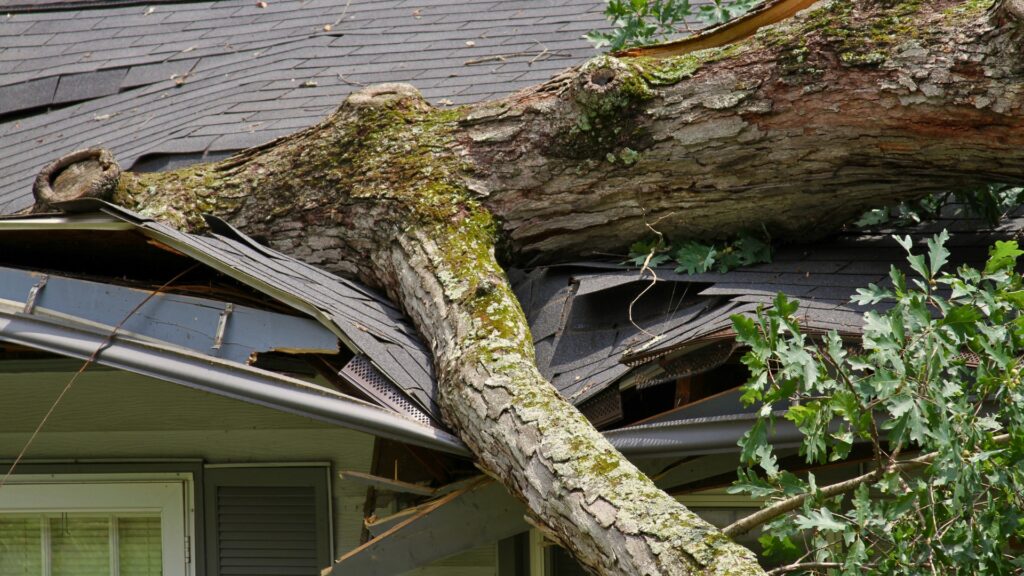
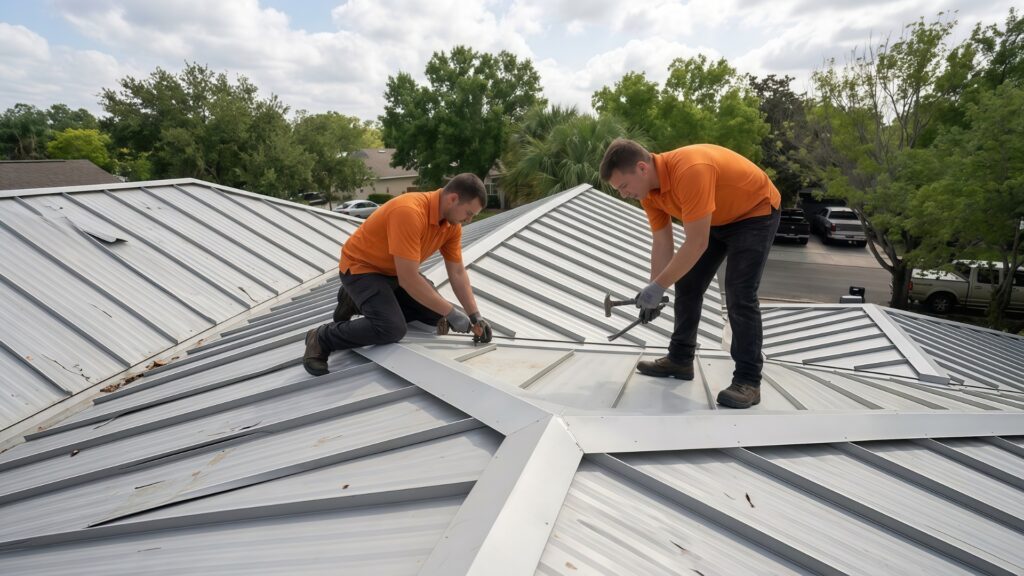
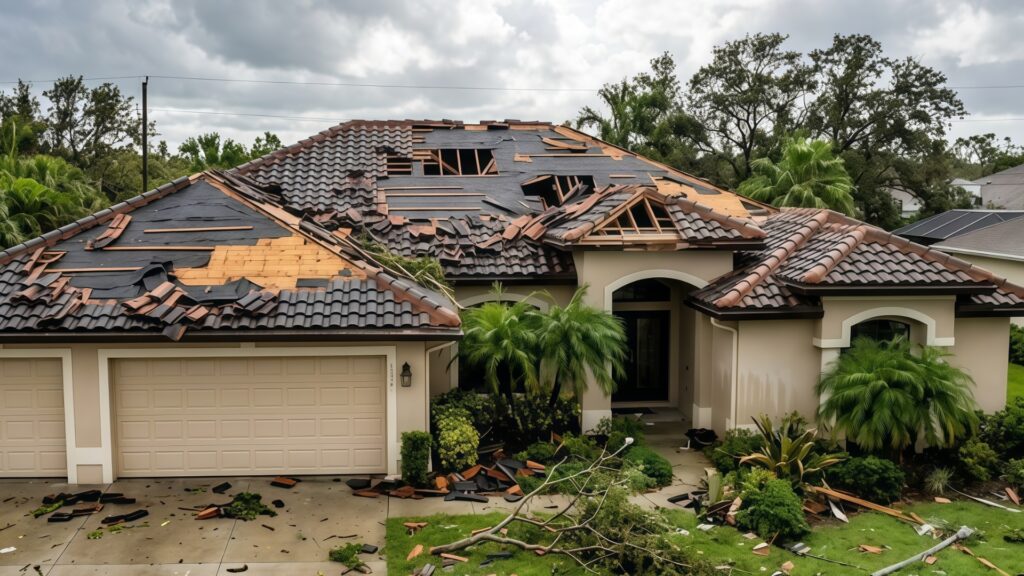
Roofing crew completing storm damage roof repair on a Florida home

Storm Damage Roof Repair: What to Expect

Storm Damage Roof Repair Timeline: What Happens After You Call a Contractor A Florida storm can damage your roof in minutes. The next steps matter just as much. Knowing the storm damage roof repair timeline helps you act fast and avoid costly mistakes. Here is what happens after you call a trusted roofing contractor. The Storm Damage Roof Repair Timeline, Step by Step Step 1: The First Call and Emergency Protection Call a local roofing contractor as soon as the storm passes. A good crew responds quickly. First, they secure any open areas with a tarp or temporary patch. This step stops water from ruining your ceilings, insulation, and floors. Step 2: A Full Roof Inspection Next, your contractor performs a complete roof inspection. They check shingles, flashing, decking, gutters, and your attic. The InterNACHI inspection standards stress a careful look at every roof component, not just the obvious damage. Step 3: Photos, Documentation, and Your Insurance Claim Your contractor then documents everything with clear photos and notes. FEMA advises homeowners to photograph all damage and keep records before permanent repairs begin. Good documentation helps your insurance adjuster see the full picture. Step 4: A Clear Estimate and Permits After that, you receive a written estimate. It should explain the work, the materials, and the cost. In Florida, most roof work requires a permit. A licensed roofing contractor handles that for you. Step 5: Repairs and Final Walkthrough Finally, the crew completes the work and cleans up the site. A final walkthrough confirms the job meets code and your expectations. How Long Does Storm Damage Roof Repair Take? Small repairs often take one or two days. Larger jobs take longer. Insurance approvals, permits, and material availability can add time after a major storm. However, an experienced contractor keeps the process moving and keeps you informed. Roof Repair or Roof Replacement? Not every storm calls for a new roof. Often, a targeted roof repair fixes lifted shingles or damaged flashing. Still, widespread damage or an older roof may need a full roof replacement. An honest inspection tells you which option makes sense. Watch Out for Storm Chasers After big storms, out-of-town crews knock on doors across Florida. The NRCA urges homeowners to hire licensed, insured, local professionals. So, when you search “roofing contractors near me,” check licenses, reviews, and local history before you sign. Start Your Storm Damage Roof Repair Today At Trade Productions, we do things the right way. We protect your home fast, inspect every detail, and explain your options in plain language. No pressure. No shortcuts. Did a storm hit your home? Contact Trade Productions today for a roof inspection and an honest estimate. We will get your roof back to protecting your family.

Roofing contractor performing a hurricane roof inspection on a Florida home

Roof Damage After Hurricanes in Florida

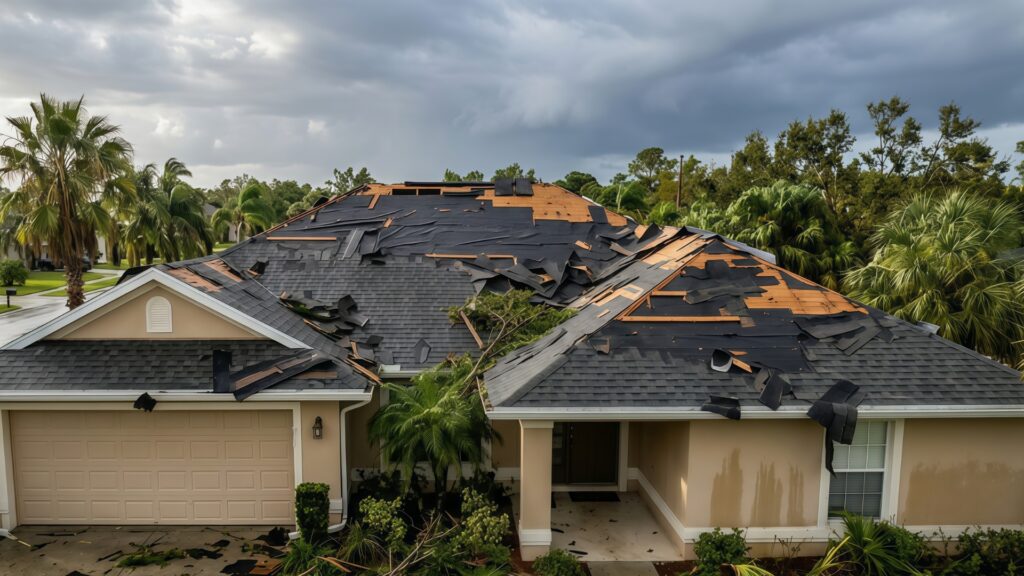
Can Your Roof Survive Another Hurricane Season? Warning Signs to Watch Florida roofs work hard. Sun, rain, and salt air hit them every day. Then hurricane season arrives and tests every shingle. A hurricane roof inspection shows you exactly where your roof stands before the next storm. Here are the warning signs our crews check first. Why a Hurricane Roof Inspection Matters in Florida Your roof is your home’s first line of defense. However, small problems grow fast under hurricane-force winds. According to FEMA, wind damage often starts at roof edges and corners, where wind pressure runs highest. Once wind lifts one weak spot, it can peel back much more. The National Roofing Contractors Association (NRCA) recommends checking your roof twice a year and after every major storm. For Florida homeowners, that advice is not optional. It protects your home, your family, and your budget. Warning Signs a Hurricane Roof Inspection Can Catch Missing, Cracked, or Curling Shingles Shingles seal your roof against wind and water. When they crack or curl, wind gets underneath. As a result, one strong gust can strip whole sections away. Damaged or Loose Flashing Flashing seals the joints around chimneys, vents, and skylights. Rust, gaps, or lifted edges let water slip inside. Also, loose flashing often fails first in high winds. Water Stains and Leaks Inside Check your ceilings and attic after heavy rain. Brown stains, damp insulation, or a musty smell point to a leak. In fact, InterNACHI lists water intrusion among the most common problems home inspectors find. Sagging Areas or Soft Spots A sagging roofline signals damaged decking or rot. This problem needs attention right away. Otherwise, your roof may not hold up against storm pressure. Granules in Your Gutters Asphalt shingles shed granules as they age. Heavy buildup in your gutters means your shingles are wearing thin. Roof Repair or Roof Replacement? Not every problem calls for a new roof. A skilled roofing contractor can often fix damaged shingles or flashing with a targeted roof repair. However, widespread wear, an older roof, or repeated leaks may call for a full roof replacement. A thorough roof inspection gives you the facts. That way, you decide with confidence. Schedule Your Hurricane Roof Inspection Before the Storm Many homeowners search for “roofing contractors near me” only after the damage is done. By then, repairs cost more and take longer. Instead, get ahead of the season. At Trade Productions, our crews inspect every roof the right way. We check shingles, flashing, decking, and drainage. Then we give you a clear report and an honest estimate. No pressure. No shortcuts. Don’t let the next hurricane find your roof’s weak spots first. Contact Trade Productions today to book your hurricane roof inspection and protect what matters most.

Wind-resistant roofing system installed by a Florida roofing contractor

Wind-Resistant Roofing System in Florida

What “Wind-Resistant Roofing System” Actually Means in Florida Florida roofs face intense heat, heavy rain, and strong winds. That is why “wind-resistant” means more than choosing a strong roofing material. A wind-resistant roofing system combines the roof covering, fasteners, underlayment, deck, and installation methods. Each part must work together. Florida Has Specific Wind Standards The Florida Building Code Matters Florida uses specific requirements for roofing systems based on location, building type, and wind exposure. As of September 2026, the 8th Edition (2023) Florida Building Code remains the current code. The 9th Edition (2026) is scheduled to take effect December 31, 2026. In some areas, especially the High-Velocity Hurricane Zone (HVHZ), additional requirements apply. That means a roofing contractor must understand the requirements for the specific property. One roof does not fit every wind zone. What Makes a Roof Wind-Resistant? The Roofing Material Roofing products must meet applicable wind-resistance requirements. Florida product approvals and evaluation reports can document compliance with specific code sections and testing standards. The material alone is not enough. The Fasteners and Installation Installation plays a major role in wind performance. FEMA notes that improper shingle installation and incorrect fastener placement can contribute to roof covering failures during high-wind events. Following manufacturer instructions and using the correct fastening method matters. The Roof Deck and Underlayment A strong roofing system also protects what is underneath the roof covering. FEMA explains that a sealed roof deck can help reduce water intrusion if high winds damage or remove the primary roof covering. According to NRCA, wind uplift affects the performance of complete roofing systems. The design and installation must work together. Wind Resistance Is About the Whole System A wind-resistant roofing system is not simply a roof with a high wind rating. It is a properly designed and installed system that meets the applicable Florida requirements for the property. That includes the materials, attachment methods, flashing, underlayment, and other components that protect the building. Need a Florida Roofing Contractor? If you are planning a roof replacement, roof repair, or roof inspection, do not overlook wind resistance. Trade Productions provides professional roofing services across South Florida. Contact our team to discuss your roof and request an inspection or estimate. Call Trade Productions: (855) TRADE-FL.

Professional roofing contractors installing a new roof in Florida

Professional Roofing Contractors: Installation

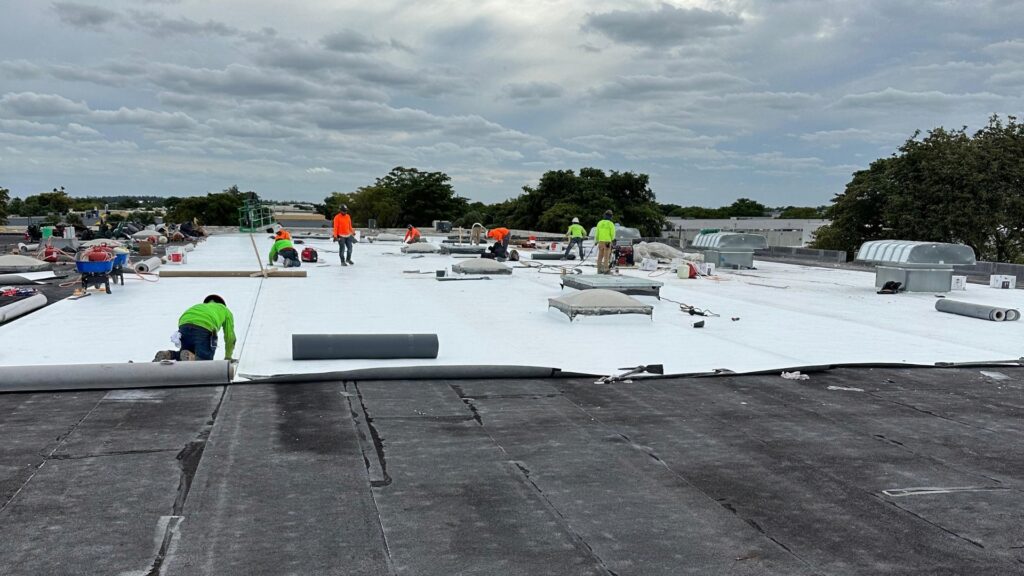
What Professional Roofing Contractors Do Differently During Installation A new roof is a major investment. The materials matter, but the installation matters just as much. Professional roofing contractors know that quality starts before the first shingle, panel, or membrane goes down. They follow a process designed to protect your home and deliver lasting results. They Prepare the Roof Properly The Roof Deck Comes First A professional roofing contractor does not simply cover an existing problem. The roof deck should be checked before new materials go down. Damaged or compromised areas may need attention first. The right preparation helps create a solid foundation for the new roof. They Install the Right Protection Professional installation includes more than the visible roofing material. Underlayment, flashing, drip edges, fasteners, and other components all play a role in protecting the building from water. NRCA quality-control guidance evaluates several of these components during roof installation, including the substrate, underlayment, fasteners, and flashing. They Follow Manufacturer Requirements A quality roofing contractor does not guess. They follow the installation requirements for the roofing system and materials being used. This includes proper fastening, placement, and sealing. FEMA notes that improper installation can contribute to asphalt shingle damage during high-wind events. In Florida, that matters. The goal is simple: install the roof correctly the first time. They Pay Attention to Ventilation A roof is part of a larger building system. Professional contractors consider ventilation and airflow when the roofing project requires it. ENERGY STAR explains that proper attic ventilation can help move hot air and moisture out of the attic. That can support the long-term performance of the roofing system. They Inspect Their Work The job is not finished when the last piece of material is installed. A professional team checks the completed work. They look for installation issues, missed details, and areas that need correction. That final attention to detail can make a difference between a roof that simply looks good and one that performs as it should. Choose the Right Roofing Contractor When searching for roofing contractors near me, do not compare estimates on price alone. Ask how the contractor handles preparation, installation, quality control, cleanup, and communication. Whether you need roof replacement or roof repair, the workmanship matters. Ready to Protect Your Home? Trade Productions provides professional roofing services across South Florida. Contact our team to schedule a roof inspection or request an estimate. Call Trade Productions: (855) TRADE-FL.

Roof repair near me by a professional Florida roofing contractor

Roof Repair Near Me: What to Expect

Roof Repair Near Me: How Fast Should a Contractor Respond? When you search for “roof repair near me,” you usually need help now. A small leak can spread quickly, especially after heavy rain or strong winds. But how fast should a roofing contractor respond? The right answer depends on the severity of the damage. A professional contractor should first understand the problem, then set clear expectations for inspection and repair. How Fast Should a Roofing Contractor Respond? For an Active Leak or Storm Damage If water is entering your home, the situation needs prompt attention. The contractor should acknowledge your request, ask about the damage, and arrange a roof inspection as soon as practical. NRCA recommends having a professional roofing contractor inspect a roof as quickly as possible after severe weather. Homeowners should avoid climbing onto the roof themselves. Emergency response does not always mean permanent repairs happen the same day. In some cases, the first step is temporary protection to limit further water damage. For Minor Roof Repairs Not every roofing issue requires an emergency visit. Missing shingles, damaged flashing, or small signs of wear still deserve attention, but scheduling may depend on the contractor’s workload and weather. A trustworthy roofing contractor should give you a realistic timeframe instead of promising a rushed repair they cannot deliver. What Should You Expect From a Professional? Fast communication is important. So is a proper inspection. InterNACHI notes that a roof inspection can include roof coverings, gutters, downspouts, vents, flashing, skylights, and other roof penetrations. That means a good assessment should look beyond the spot where you first noticed a problem. You should also expect clear communication about: When the inspection will happen What the contractor found Whether you need roof repair or roof replacement What work needs to happen first When the repair can be completed If you are comparing roofing contractors near me, do not look at response time alone. Look for experience, clear communication, and quality workmanship. When Should You Call? Do not wait for a small roofing problem to become a major one. Call a roofing contractor if you notice water stains, active leaks, missing materials, storm damage, or other visible concerns. A professional roof inspection can help identify the next right step. Need Roof Repair in South Florida? Trade Productions provides professional roofing services for homeowners across South Florida. If your roof needs attention, contact our team to schedule an inspection or request an estimate. Call Trade Productions: (855) TRADE-FL.

Roof inspection checklist for Florida homeowners

Roof Inspection Checklist for Florida Homes

Roof Inspection Checklist Before You Call a Roofing Contractor in Florida Your roof protects your home from Florida’s heat, rain, and storms. Small problems can become expensive repairs if you ignore them. Before you call a roofing contractor, take a few minutes to check what you can safely see from the ground. What to Check Before Calling a Roofing Contractor 1. Look for Visible Roof Damage Start with the roof covering. Look for missing, cracked, broken, or damaged roofing materials. After a storm, check for visible signs of wind damage. You may also notice debris or materials around your property. The NRCA recommends regular roof inspections and additional inspections after severe weather. 2. Check for Signs of Water Damage Look inside your home for: Water stains on ceilings or walls Damp areas Peeling paint Musty odors Signs of previous leaks A small ceiling stain does not always show the full extent of a roofing problem. Water can travel before it becomes visible inside your home. 3. Inspect Gutters and Downspouts Check your gutters for leaves, debris, or visible damage. Make sure downspouts move water away from your home. Poor drainage can contribute to moisture problems around the roof and exterior. 4. Check Flashing and Roof Penetrations From a safe location, look around visible areas such as vents, skylights, chimneys, and other roof penetrations. InterNACHI includes these areas in its roof inspection standards because they can be important points to evaluate during a professional inspection. 5. Look at the Attic if It Is Safe If your attic is safely accessible, look for signs of moisture, staining, or daylight coming through areas where it should not. FEMA also recommends checking roof sheathing from the attic when evaluating protection against high winds. When Should You Call a Roofing Contractor? Call a professional if you notice damage, an active leak, storm-related concerns, or signs that your roof may be reaching the end of its service life. Do not climb onto your roof to inspect it yourself. NRCA recommends that homeowners perform roof inspections from ground level unless they have the proper experience and equipment. A professional roof inspection can help determine whether you need roof repair, maintenance, or a complete roof replacement. Get Your Roof Checked Before the Problem Gets Bigger Florida weather can be hard on your roof. Don’t wait for a small problem to become a major repair. Trade Productions provides roof inspections, repairs, replacements, and storm damage solutions for South Florida homeowners. Our approach is simple: clear communication, dependable service, and roofing done right. Need a roof inspection? Contact Trade Productions today: (855) TRADE-FL to schedule an inspection or request an estimate.

Roofing contractors inspecting a Florida home's roof

Roofing Contractors: What Florida Homeowners Should Look For

Roofing Contractors: What Florida Homeowners Should Look For Before Hiring Choosing the right roofing contractor is an important decision. Your roof protects your home, family, and investment. In Florida, it also needs to stand up to heat, heavy rain, and strong winds. Before you hire a roofing company, take the time to check a few important details. What to Look For in Roofing Contractors Check Their Experience Start with experience. Ask how long the company has been in business. Look for completed projects and customer references. A professional roofing contractor should be able to explain the work clearly. They should also answer your questions without using confusing jargon. According to the National Roofing Contractors Association (NRCA), homeowners should check a contractor’s business credentials, insurance, references, and track record before hiring. Ask for Insurance and Credentials Do not skip this step. Ask for proof of liability insurance and workers’ compensation coverage. You should also verify required licenses and business information. These checks can help protect you from problems during your roof repair or roof replacement. Get a Detailed Roofing Estimate Do not choose a contractor based only on the lowest price. A good estimate should explain the scope of work, materials, project timeline, payment terms, and warranty information. NRCA recommends getting detailed written proposals and comparing reputable contractors. The cheapest bid may not provide the quality or protection your home needs. Look for Florida Roofing Experience Florida weather can be tough on a roof. Your roofing contractor should understand local conditions and the importance of proper installation. FEMA reports that Florida roofing practices should account for wind and water intrusion risks. Proper roof construction and mitigation measures can help improve protection during severe weather. If you notice leaks, missing shingles, damaged flashing, or other warning signs, schedule a professional roof inspection. A qualified roofer can determine whether you need a roof repair or a full roof replacement. Choose a Roofing Contractor You Can Trust Your roof is not the place to cut corners. Choose a company that communicates clearly, provides a detailed estimate, and stands behind its workmanship. If you are searching for roofing contractors near me, look beyond price. Look for experience, reliability, and quality. Need help with your roof? Contact Trade Productions: (855) TRADE-FL to schedule a professional roof inspection or request an estimate. We are ready to help protect your Florida home with quality roofing work done right.

Signs of poor roof installation visible from the ground

Signs of Poor Roof Installation

Signs of Poor Roof Installation You Can Spot From the Ground A new roof should protect your home for years. But poor workmanship can create problems long before you notice a leak inside. The good news? Some signs of poor roof installation are visible from the ground. A quick look can help you spot warning signs before a small problem becomes expensive roof repair. What to Look For From the Ground 1. Uneven or Wavy Shingles Shingles should create clean, consistent lines across the roof. If you notice sections that look wavy, raised, or uneven, the installation may need a closer look. InterNACHI notes that improper shingle installation can include problems with fastening and shingle placement. 2. Exposed or Missing Flashing Flashing helps direct water away from vulnerable areas. These include walls, chimneys, vents, and other roof penetrations. From the ground, look for loose, bent, or visibly exposed flashing. These areas deserve attention because poor installation can allow water to reach the roof structure. 3. Crooked Shingle Lines Step back and look at the overall roof pattern. Shingles should follow straight, consistent courses. Visible gaps, crooked rows, or inconsistent spacing can indicate installation problems. They may also affect how well the roof sheds water. 4. Shingles That Look Loose Raised corners, lifted edges, or shingles that appear out of place should not be ignored. Wind can make these problems worse. NRCA recommends regular roof inspections to identify visible issues such as cracked, warped, or missing shingles and deteriorated flashing. When Should You Call a Roofing Contractor? A ground-level inspection cannot tell you everything. Some installation problems are hidden beneath the shingles or around flashing and penetrations. If you notice warning signs, contact a qualified roofing contractor for a professional roof inspection. A proper inspection can help determine whether you need minor roof repair or a larger roof replacement. NRCA’s quality-control guidelines emphasize visual evaluation of components such as the roof surface, underlayment, drip edge, fasteners, shingles, and flashings. Protect Your Home With the Right Work Your roof is one of your home’s most important defenses against Florida weather. Good installation matters. If you notice signs of poor roof installation, do not wait for a leak. Contact Trade Productions: (855) TRADE-FL to schedule a roof inspection and get a clear assessment of your roof.

How Florida storms affect roofing materials like shingles, metal, and tile

How Florida Storms Affect Roofing Materials

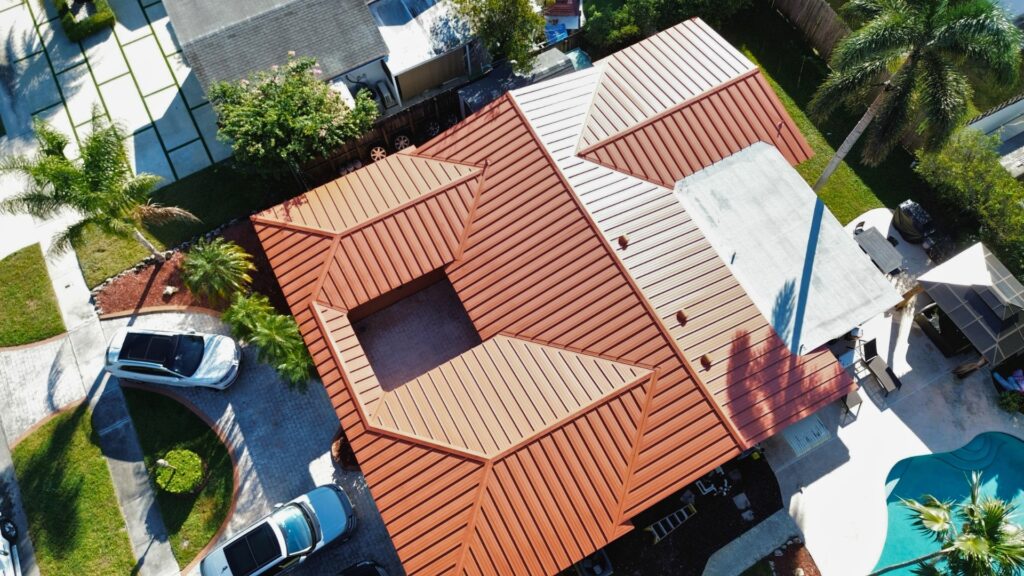
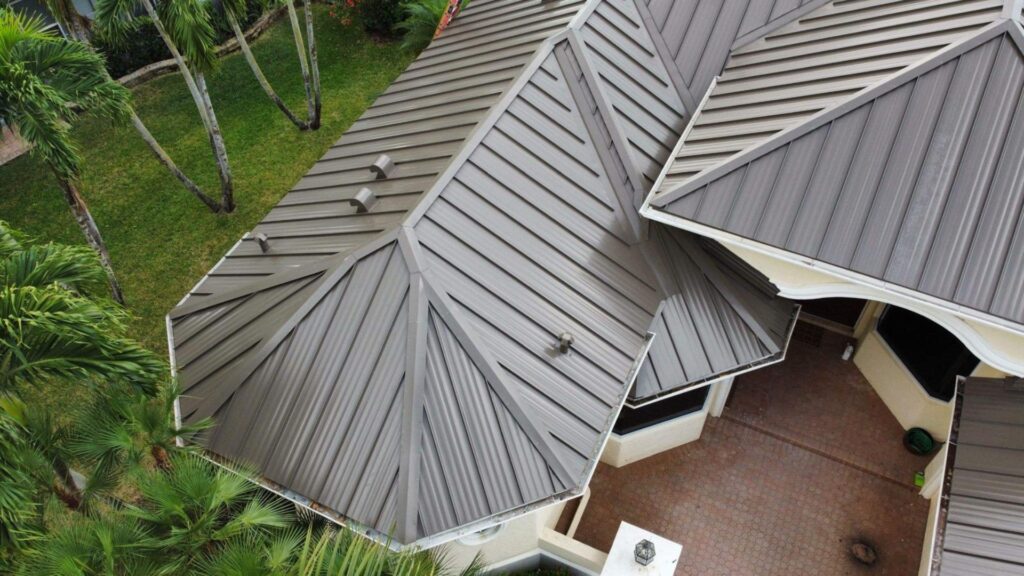
How Florida Storms Affect Different Roofing Materials Florida storms can put serious stress on your roof. High winds, heavy rain, and flying debris can damage roofing materials in different ways. Knowing how your roof responds to severe weather can help you spot problems early and make better decisions about roof repair or roof replacement. Asphalt Shingles Asphalt shingles are common across Florida homes. They can perform well when properly installed and maintained. However, strong winds can lift or tear shingles. Poor installation or weak seals can increase the risk of wind damage. FEMA recommends wind-rated shingles and proper installation methods for homes in high-wind areas. After a major storm, look for missing, lifted, or cracked shingles. A professional roof inspection can identify damage that may not be visible from the ground. Metal Roofing Metal roofing offers durability and can handle severe weather when the system is properly designed and installed. NRCA notes that metal roofing is relatively lightweight and can provide greater resistance to adverse weather. Still, no roofing material is storm-proof. High winds can damage panels, fasteners, flashing, or other components. Proper installation and wind-rated systems matter. Metal roofs can also help with Florida’s intense sun. According to the U.S. Department of Energy, reflective roofing surfaces can reduce heat absorption and help lower cooling demand. Tile Roofing Clay and concrete tiles are popular in Florida. They offer durability and a distinctive look. But storms can cause cracked or displaced tiles. Flying debris can also break individual tiles. FEMA highlights windborne debris as a key concern for tile roofs in hurricane-prone areas. A damaged tile can expose the roofing system to water. That is why storm damage should not be ignored. What Should You Do After a Storm? Schedule a Roof Inspection Do not wait for a leak before checking your roof. A qualified roofing contractor can inspect shingles, panels, tiles, flashing, and other areas for storm damage. Early roof repair can help prevent a small issue from becoming a costly problem. If your roof has significant damage, a professional can also help determine whether repair or roof replacement makes more sense. Storm damage is easier to address when you catch it early. Contact Trade Productions: (855) TRADE-FL to schedule a professional roof inspection and protect your home before the next storm.

Trade Productions Inc. is a licensed Florida roofing contractor (CCC1328241) serving homeowners, businesses and property managers across Palm Beach, Broward and Miami-Dade counties. We install, replace and repair residential and commercial roofs: metal, tile, shingle and flat roofing systems and provide roof inspections, estimates, storm damage repairs and preventive maintenance programs.
© 2026 Trade Productions Inc. All Rights Reserved.
Scroll to Top