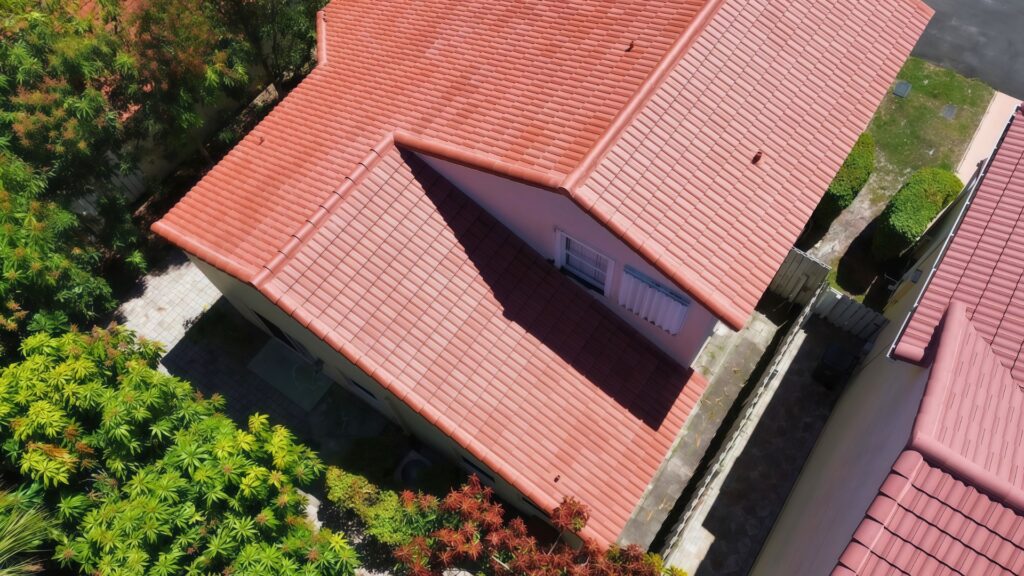
roofing contractor

What to do after a storm before scheduling a professional roof inspection in Florida

What to Do After a Storm

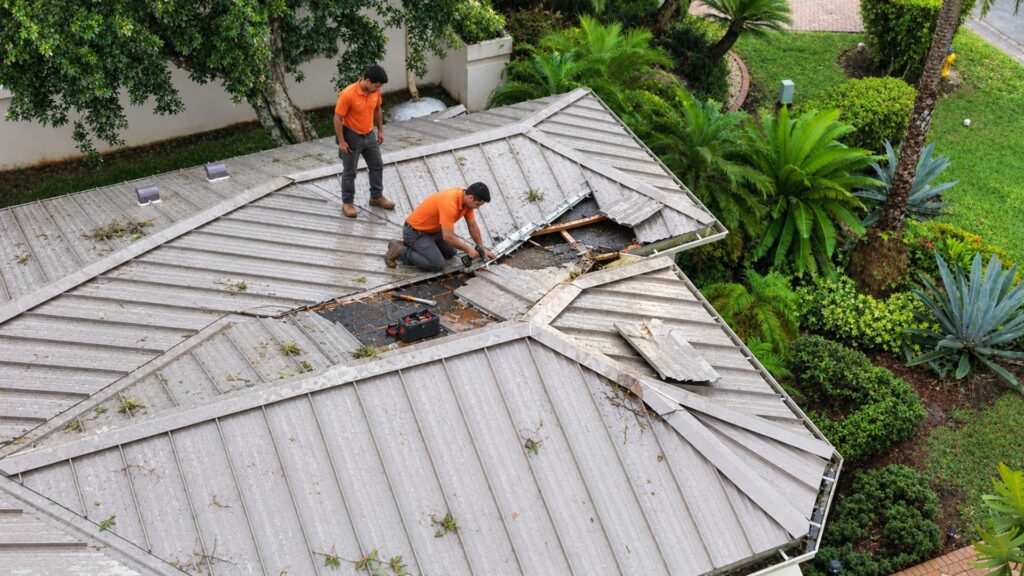
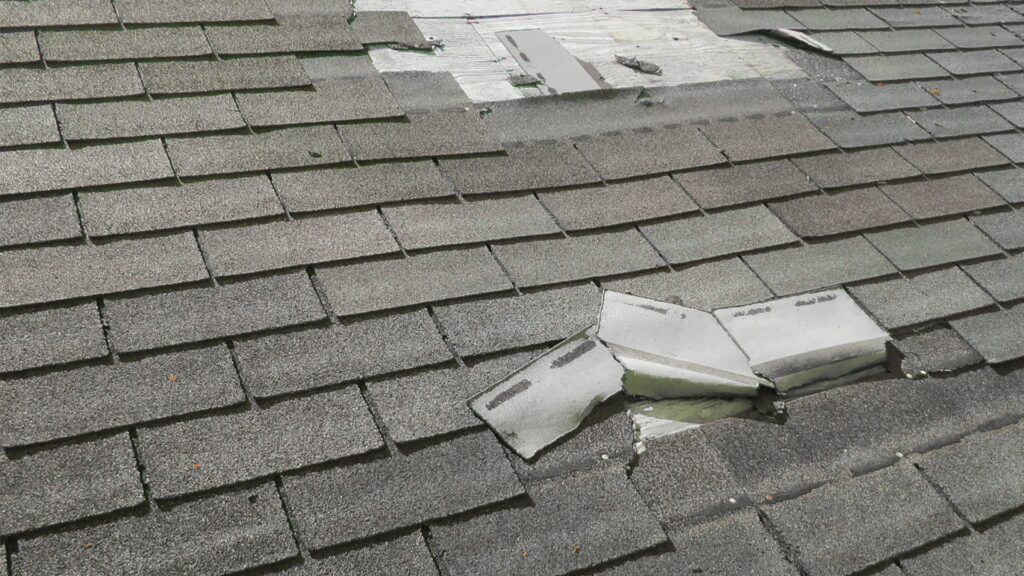
What to Do After a Storm Before Calling Roofing Contractors What to Do After a Storm Florida storms can bring heavy rain, strong winds, and flying debris. Your roof may take damage even when the problem is not easy to see. Knowing what to do after a storm can help protect your home and prevent small problems from getting worse. Start With Safety Do not climb onto your roof after a storm. Damaged shingles, wet surfaces, and loose materials can create serious fall hazards. The National Roofing Contractors Association (NRCA) recommends checking the roof from ground level and having a professional roofing contractor handle the closer inspection. Look from a safe location for: Missing or lifted shingles Damaged flashing Fallen branches or debris Sagging areas Visible holes or exposed materials Also check your attic and ceilings for water stains or signs of a leak. Document the Damage Take clear photos and videos of anything you notice. Document both the roof and interior areas with water damage. The U.S. Department of Energy recommends taking pictures before beginning repairs when dealing with disaster-related damage. It also advises homeowners to carefully check a contractor’s qualifications before signing a contract. Keep your documentation for your insurance company and roofing contractor. Do Not Rush Into Repairs Storm damage can create urgency. That does not mean you should hire the first person who knocks on your door. FEMA recommends having your home inspected by a building professional after severe weather. A qualified roofing contractor can determine whether you need a roof repair or a full roof replacement. They can also identify damage that may not be visible from the ground. Schedule a Professional Roof Inspection Even if your roof looks fine, a professional inspection is a smart next step after a major storm. At Trade Productions, we believe roofing work should be done right the first time. Our team provides clear communication and dependable roofing solutions designed to protect your home for the long term. Think your roof may have storm damage? Contact Trade Productions today: (855) TRADE-FL to schedule a professional roof inspection and get a clear estimate for the work your home needs.
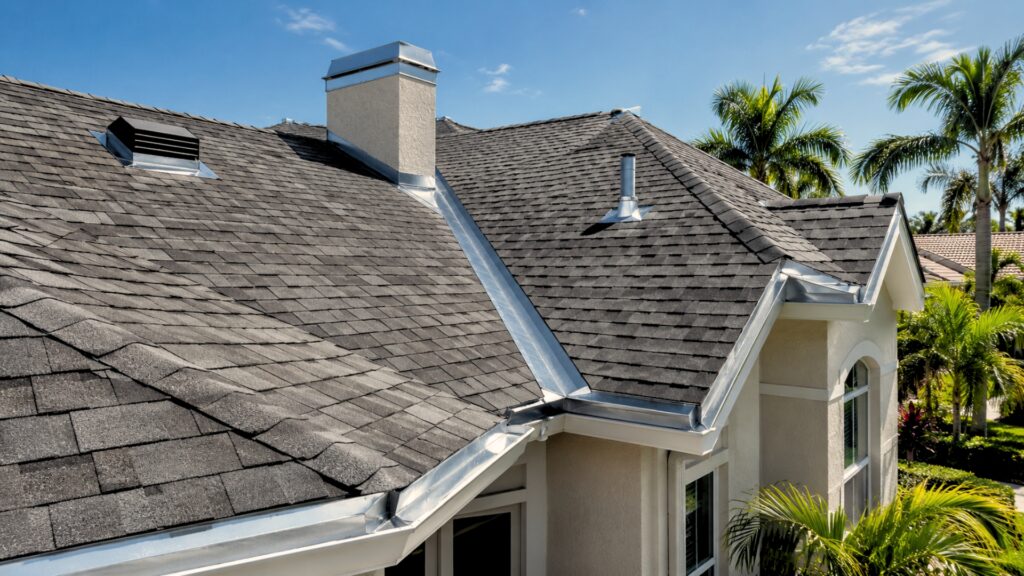
Roof flashing preventing roof leaks after heavy rain

Roof Flashing: Preventing Roof Leaks After Heavy Rain

The Role of Roof Flashing in Preventing Roof Leaks After Heavy Rain Heavy rain puts your roof to the test. Water can find small gaps around walls, chimneys, vents, and other roof openings. This is where roof flashing plays an important role. Proper flashing helps direct water away from vulnerable areas. It can also help prevent moisture from reaching your home’s interior. What Is Roof Flashing? Roof flashing is a material installed around areas where water could enter the roof system. It creates a barrier between the roof and nearby walls or penetrations. According to the National Roofing Contractors Association (NRCA), flashing areas deserve close attention because leaks can develop when flashing becomes loose, damaged, or improperly installed. Where Is Flashing Used? You may find flashing around: Roof-to-wall intersections Chimneys Skylights Vents and pipes Valleys and roof edges Other roof penetrations These areas need proper protection because rainwater can collect or change direction around them. Why Heavy Rain Can Expose Flashing Problems Florida storms can bring large amounts of rain in a short time. Weak flashing can allow water to move behind roofing materials. The U.S. Department of Energy explains that step flashing helps protect roof-to-wall intersections from water intrusion. Proper installation helps guide water away from the wall and roof assembly. A small flashing problem may not look serious from the ground. However, repeated water intrusion can lead to damaged decking, insulation, drywall, or other parts of the home. Signs Your Flashing May Need Attention After heavy rain, look for signs such as: Water stains on ceilings or walls Damp areas near windows or walls Peeling paint Visible gaps or damaged flashing Missing or loose roofing materials The NRCA recommends regular roof inspections because they can help identify deteriorated flashing and other problems before they become major leaks. Do Not Ignore a Small Leak A roof leak rarely fixes itself. A professional roofing contractor can inspect the affected area and determine whether you need roof repair or a larger solution. Protect Your Home Before the Next Storm Good roof work starts with finding the real source of the problem. If you have noticed signs of a leak, do not wait for the next heavy rain. Contact Trade Productions: (855) TRADE-FL to schedule a roof inspection and get a clear estimate for the work your home needs. Our team focuses on quality workmanship, dependable service, and protecting what matters most.
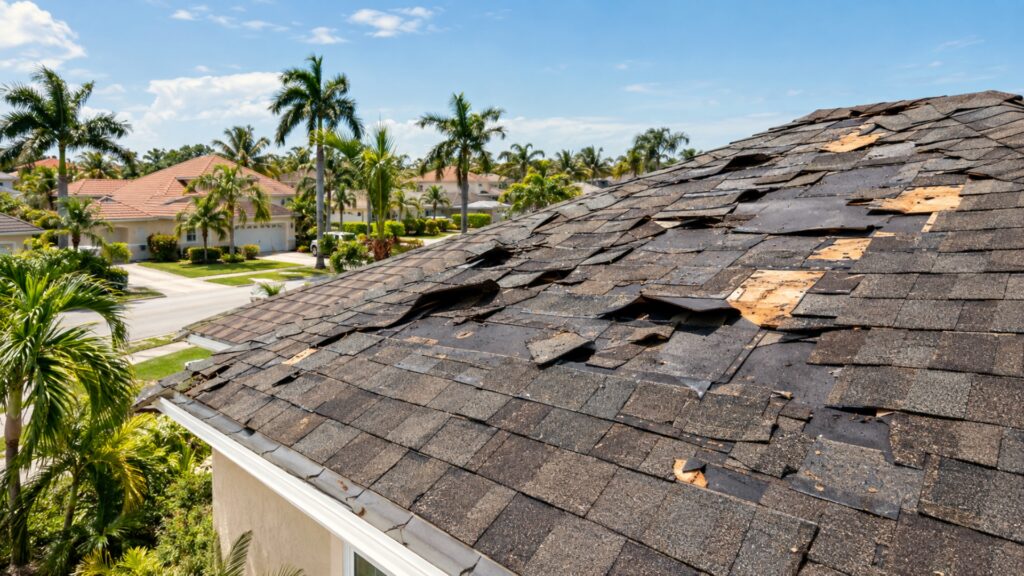
Cheap roofing contractors can lead to costly roof repairs and poor workmanship

Cheap Roofing Contractors Cost More Long-Term

Why Cheap Roofing Contractors Usually Cost More Long-Term A low roofing estimate can look like a great deal. But the cheapest option does not always save you money. Roofing protects your home from rain, wind, heat, and storm damage. Poor workmanship or shortcuts can create problems that cost far more to fix later. When comparing roofing contractors, homeowners should look beyond the lowest price. 1. Cheap Work Can Mean Costly Repairs A low estimate may leave out important parts of the job. Some contractors may cut corners on preparation, materials, flashing, or other details that help protect the roofing system. According to the National Roofing Contractors Association (NRCA), proper installation and regular maintenance play an important role in roof performance. The Real Cost Shows Up Later Poor installation can lead to leaks, damaged materials, and repeated roof repair needs. A homeowner may save money on the original project but later pay for repairs that could have been avoided with quality workmanship. The lowest upfront price can become the highest long-term cost. 2. Poor Installation Can Reduce Roof Performance A roof is more than the materials you see from the street. The roofing system includes the deck, underlayment, flashing, ventilation, and other components. These parts need to work together. According to FEMA, properly installed and connected building components can help improve a home’s resistance to severe weather. That matters in Florida. Strong winds and heavy rain can expose installation mistakes quickly. A weak point that goes unnoticed during dry weather may become a serious problem during the next storm. Quality Work Starts With Proper Preparation A professional roofing contractor should inspect the existing roof and prepare the surface before installation begins. Rushing through the job can create problems underneath the new roofing materials. A proper roof inspection helps identify damaged decking, moisture issues, and other concerns before they lead to bigger expenses. 3. Cheap Materials Can Create Expensive Problems Material quality also affects long-term performance. The U.S. Department of Energy explains that roofing choices can affect a home’s energy performance. Choosing the right materials and building the complete system correctly matters. This does not mean every homeowner needs the most expensive roof. It means the materials and installation should fit the home, the roofing system, and Florida’s weather conditions. What Should You Look for Instead of the Lowest Price? When comparing estimates, ask what each roofing contractor includes. Look at: Scope of work Materials Preparation and repairs Installation details Workmanship and communication If one estimate is much lower than the others, ask why. When searching for roofing contractors near me, choose a company that explains the work clearly instead of simply offering the lowest number. Invest in Work Done the Right Way A quality roof should protect your home for the long term. At Trade Productions, we believe in honest communication, quality workmanship, and doing the job the right way. We explain what your roof needs and provide a clear estimate. Planning a roof repair or roof replacement? Contact Trade Productions today: (855) TRADE-FL to schedule a professional roof inspection and get an estimate built around quality, not shortcuts.

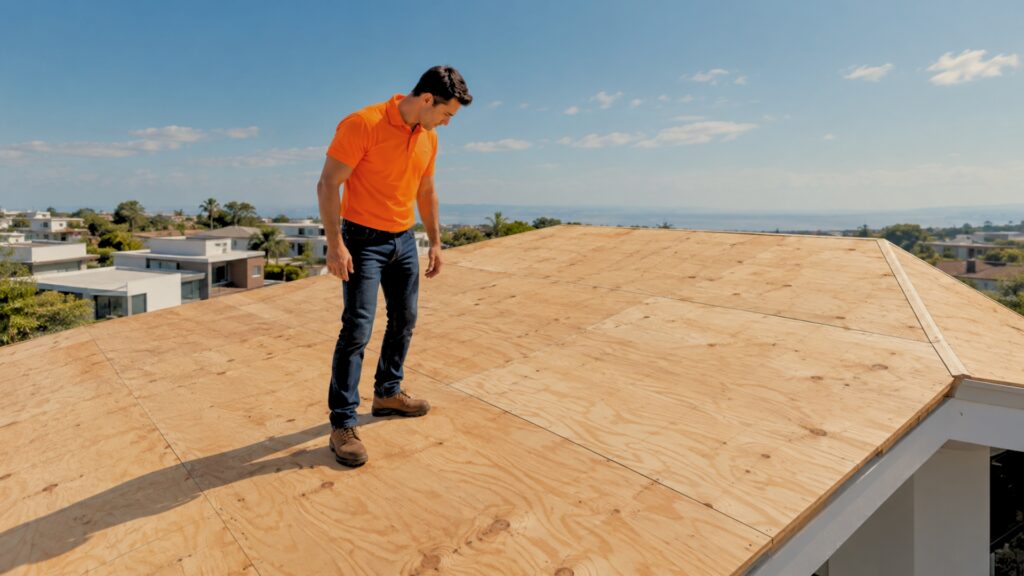
Roof decking installation inspected before a new roof installation in Florida

Roof Decking Installation: Why It Matters

Why Proper Roof Decking Is Critical Before Installation Begins A new roof is only as strong as the surface beneath it. Roof decking provides the foundation for the entire roofing system. If the decking is damaged, weak, or deteriorated, installing new roofing materials over it can lead to serious problems later. That is why proper roof decking installation and inspection matter before any new roof goes on. 1. Roof Decking Supports the Entire Roofing System The roof deck provides a solid surface for the underlayment and roofing materials. If the decking has water damage, rot, or structural weakness, it may not properly support the new roof. According to the National Roofing Contractors Association (NRCA), roof performance depends on the complete roofing system, not just the materials visible from the outside. Problems Can Hide Under the Old Roof A roof may look ready for replacement from the outside. But the condition underneath can tell a different story. During a roof inspection, a professional roofing contractor looks for soft areas, moisture damage, deteriorated wood, and other signs of weakness. Addressing these problems before installation helps create a solid foundation for the new roof. 2. Damaged Decking Can Lead to Early Roof Failure Installing new materials over damaged decking does not fix the problem. Moisture can continue to affect the wood and surrounding materials. Weak decking can also contribute to uneven surfaces and poor support. That can lead to future leaks and unnecessary roof repair. According to InterNACHI, moisture intrusion can cause ongoing damage when it is not properly identified and corrected. Fixing the Foundation First Matters A quality roof installation starts with proper preparation. Professional roofers inspect the deck and address damaged areas before installing underlayment and new roofing materials. Skipping this step may save time at the start. It can cost much more later. 3. Proper Decking Helps Protect Against Florida Weather Florida roofs face heavy rain, high humidity, strong winds, and severe storms. A strong roofing system needs more than quality shingles or tiles. The roof deck, fastening, underlayment, and other components must work together. FEMA emphasizes the importance of properly designed and connected building components to improve resistance to severe weather. For this reason, a roofing contractor should never focus only on the visible surface of the roof. Do Not Build a New Roof on a Weak Foundation Before starting a roof replacement, make sure the roofing contractor inspects what is underneath. When searching for roofing contractors near me, choose a company that takes the time to prepare the roof correctly instead of rushing through the job. At Trade Productions, we believe in doing the job the right way. We inspect the roof, address problems that need attention, and build from a solid foundation. Planning a roof replacement? Contact Trade Productions today: (855) TRADE-FL to schedule a professional roof inspection and get a clear estimate for your roofing project.

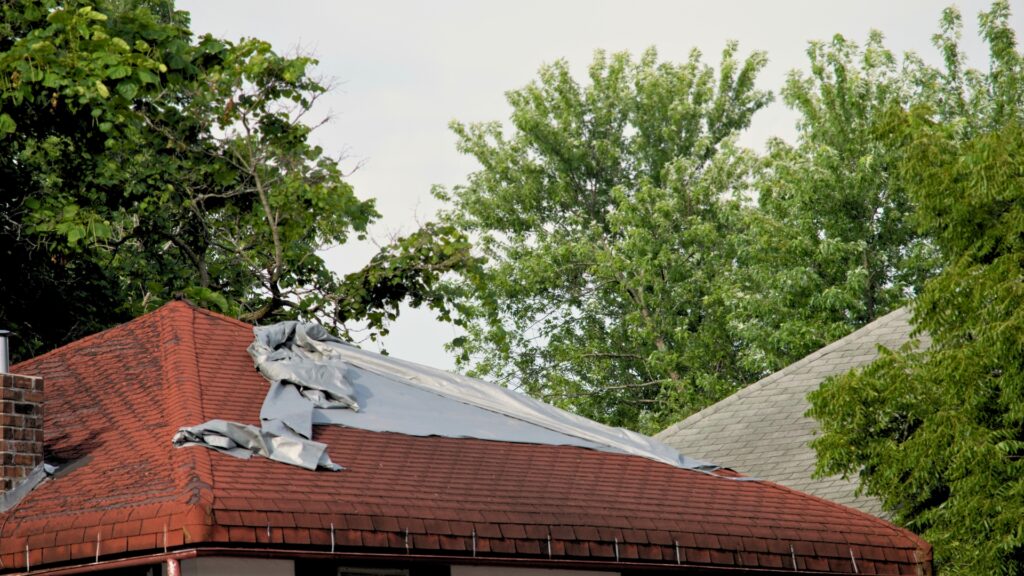
Emergency roof repair after major storm damage to a Florida home

Emergency Roof Repair: What Counts as an Emergency?

Emergency Roof Repair: What Counts as an Actual Emergency? Not every roofing problem requires emergency service. A few damaged shingles or a small stain may not need immediate action. But some problems cannot wait. An emergency roof repair is necessary when roof damage creates an immediate risk of water intrusion, structural damage, or further damage to your home. Knowing the difference can help you act quickly without overreacting. 1. Active Water Entering Your Home If water is actively leaking through the ceiling or walls, you have a roofing emergency. Even if the leak stops when the rain ends, water may remain inside the roofing system. According to FEMA, homeowners should take reasonable steps to protect their property and prevent additional damage after severe weather. What to Do Move furniture and valuables away from the affected area. Use containers to collect dripping water if it is safe to do so. Take photos of the visible damage. Then contact a professional roofing contractor. Do not climb onto the roof during or immediately after a storm. 2. Major Storm Damage Strong winds, fallen tree limbs, or flying debris can create large openings in a roof. Missing sections of roofing material can expose the roof deck to rain and moisture. This type of damage often requires immediate protection to prevent the problem from getting worse. According to the National Roofing Contractors Association (NRCA), regular roof inspections and maintenance help identify roofing problems and support long-term roof performance. Emergency Repairs Can Limit Further Damage A professional roofing contractor may install temporary protection or complete an emergency roof repair, depending on the condition of the roof and weather conditions. The goal is to protect the home until permanent repairs can be completed. 3. A Sagging or Compromised Roof A sagging roof is not a problem to ignore. It may indicate damage to the roof deck or other structural components. Water damage can weaken materials over time and create a serious safety concern. If you notice a visible sag, stay away from the affected area and contact a qualified roofing contractor immediately. A professional roof inspection can help identify the cause and determine whether you need roof repair or a larger roof replacement. 4. When the Problem Can Wait Not every issue requires emergency service. A few damaged shingles, minor wear, or an old roof without active leaks may allow time for a scheduled inspection. However, small problems can grow. InterNACHI recommends regular inspections to identify defects and maintenance issues before they lead to more significant damage. Know When to Call for Emergency Roof Repair The main question is simple: Is the damage allowing water into your home or creating an immediate risk of further damage? If the answer is yes, do not wait. When searching for roofing contractors near me, choose a company that can assess the damage and explain what your roof actually needs. At Trade Productions, we believe in doing the job the right way. We inspect the damage, explain your options clearly, and focus on protecting your home. Think you have a roofing emergency? Contact Trade Productions today: (855) TRADE-FL to schedule a professional roof inspection and get a clear estimate for emergency roof repair or roof replacement.

Roof pitch affects durability by improving drainage and supporting storm resistance

Roof Pitch Affects Durability and Storm Resistance

How Roof Pitch Affects Durability, Drainage, and Storm Resistance Roof pitch plays an important role in how a roofing system handles water, wind, and long-term wear. In simple terms, roof pitch describes how steep or flat a roof is. The right design can help move water away from the roof and support the performance of the entire roofing system. For Florida homeowners, that matters. Heavy rain, strong winds, and severe storms can put extra stress on a roof. Roof Pitch and Water Drainage One of the main jobs of roof pitch is to help water drain. A steeper roof generally allows water to move off the surface faster. Low-slope roofs require specific materials and installation methods to manage water effectively. Poor drainage can allow water to collect or remain on the roof longer than intended. Over time, this can increase the risk of leaks and damage. According to the National Roofing Contractors Association (NRCA), proper roof design, drainage, and maintenance all play an important role in roof performance. Why Drainage Matters Standing water and poor drainage can put additional stress on roofing materials. During a roof inspection, a professional roofing contractor checks for signs of drainage problems, damaged materials, and areas where water may enter the roofing system. Addressing these issues early can help prevent larger roof repair problems later. Roof Pitch and Durability Roof pitch also affects how the roof handles everyday exposure. Sun, rain, wind, and debris all impact roofing materials. A properly designed and installed roof helps manage these conditions over time. The U.S. Department of Energy explains that roof design can affect a home’s overall energy performance. Roofing materials, ventilation, insulation, and roof design should work together as part of the complete system. Installation Must Match the Roof Not every roofing material works the same way on every roof pitch. Professional roofers consider the slope and use materials and installation methods appropriate for the roofing system. Taking shortcuts can create weak points that lead to leaks, premature wear, and unnecessary repairs. Roof Pitch and Storm Resistance A roof must also handle wind and severe weather. According to FEMA, proper roof design and connections can help improve a home’s resistance to high winds and storm damage. Roof pitch is only one part of that equation. Material selection, fastening, flashing, installation quality, and the condition of the roof all matter. A well-built roof system works as a complete unit. If your roof shows signs of damage after a storm, a professional inspection can determine whether you need targeted roof repair or a larger roof replacement. Get the Right Roofing Solution for Your Home You do not need to become a roofing expert to understand your roof. But you do need a roofing contractor who understands how every part of the system works together. When searching for roofing contractors near me, choose a team that looks beyond the surface. At Trade Productions, we focus on quality workmanship and doing the job the right way. We inspect your roof, explain what we find, and recommend the work your home actually needs. Want to know how your roof is performing? Contact Trade Productions today: (855) TRADE-FL to schedule a professional roof inspection and get a clear estimate for roof repair or roof replacement.

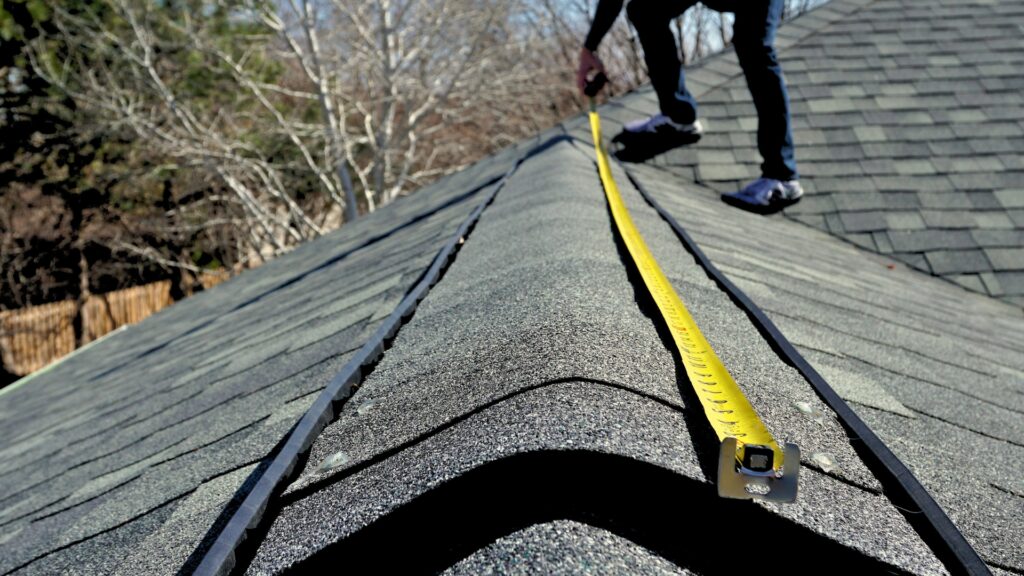
Roof inspection after a storm performed by a professional roofing contractor in Florida

Roof Inspection After a Storm: What Pros Check

Roof Inspection After a Storm: What Professionals Are Actually Looking For After a Florida storm, some roof damage is easy to spot. Missing shingles, broken tiles, and fallen debris are clear warning signs. Other problems are harder to see. That is why a professional roof inspection matters after severe weather. An experienced roofing contractor looks beyond obvious damage to identify issues that could lead to leaks, moisture problems, or more costly repairs later. 1. Missing or Damaged Roofing Materials The first step is checking the condition of the roof surface. Professionals look for missing, cracked, lifted, or damaged shingles and tiles. They also check metal roofing panels and other materials for signs of wind or impact damage. According to the National Roofing Contractors Association (NRCA), regular inspections and maintenance can help identify roofing issues before they become more serious. Why Small Damage Matters A small damaged area can create an opening for water. If professionals find isolated damage, targeted roof repair may restore protection. If damage affects a large portion of the roof, a roof replacement may become the better option. 2. Flashing and Other Vulnerable Areas Roofing professionals also inspect areas where water can enter. This includes flashing around vents, chimneys, walls, and other roof penetrations. Strong winds and flying debris can loosen these components. Even when the main roofing materials look intact, damage around these areas can lead to leaks. Professionals Check the Details A proper roof inspection does not focus only on what is easy to see. Experienced roofers inspect transitions, edges, penetrations, and other areas where the roofing system needs extra protection. 3. Signs of Water Intrusion Storm damage may allow water into the roofing system without creating an immediate ceiling leak. Professionals look for signs of moisture, damaged decking, stains, and other evidence of water intrusion. According to InterNACHI, moisture problems can cause damage when they remain undetected. Finding the source early can help prevent a small issue from becoming a larger roof repair project. 4. Wind and Storm Damage Florida storms can expose weak areas that were already developing before the weather event. FEMA recommends taking steps to protect homes from wind and storm damage. After severe weather, a professional inspection can help identify visible damage and determine what repairs may be necessary. Do not climb onto the roof to check the damage yourself. A professional roofing contractor has the experience to inspect the roof safely and identify issues you may not notice from the ground. Get a Professional Roof Inspection After the Storm Not every storm means you need a new roof. But ignoring damage can allow a manageable problem to get worse. When searching for roofing contractors near me, choose a company that takes the time to inspect the full roofing system and explain the findings clearly. At Trade Productions, we believe in doing the job the right way. We inspect your roof, identify the damage, and recommend the work your home actually needs. Has your home been through a recent storm? Contact Trade Productions today: (855) TRADE-FL to schedule a professional roof inspection and get a clear estimate for any necessary roof repair or roof replacement.

Roof repair emergency signs showing visible roof damage on a Florida home

Roof Repair Emergency Signs You Should Never Ignore

Roof Repair: Emergency Signs You Should Never Ignore A small roof problem can become a major issue fast. In Florida, heavy rain, strong winds, and severe storms can expose weak areas and cause water to enter your home. Some roofing problems can wait for a scheduled appointment. Others require immediate attention. Knowing the warning signs can help you protect your home and avoid more expensive roof repair or even a full roof replacement. 1. Active Water Leaks Water entering your home is one of the clearest emergency signs. You may see water dripping from the ceiling, wet walls, or growing stains. Do not assume the leak will stop because the rain stops. Water can remain trapped inside the roofing system and continue causing damage. According to FEMA, homeowners should take reasonable steps to protect their property and prevent additional damage after severe weather. What to Do Move furniture and valuables away from the affected area. Document visible damage with photos. Then contact a professional roofing contractor as soon as possible. 2. Missing or Loose Roofing Materials Strong winds can loosen or remove shingles, tiles, flashing, or other roofing materials. Even a small exposed area can allow water into the roofing system. The National Roofing Contractors Association (NRCA) recommends regular roof inspections and maintenance to identify damage before it leads to larger problems. Do Not Ignore Storm Damage After a major storm, inspect your property from the ground. Look for missing materials, debris, or visible damage. Avoid climbing onto the roof yourself. Schedule a professional roof inspection instead. 3. A Sagging or Damaged Roof A sagging roof requires immediate attention. It may indicate damage to the roof deck or another structural issue. Water damage can also weaken materials over time. If you notice a visible dip or sag, contact a qualified roofing contractor right away. Do not wait for the next storm. 4. Large Water Stains or Ceiling Damage A small stain may point to a larger problem above it. If stains grow, drywall starts to sag, or you notice bubbling paint, water may already be moving through the structure. According to InterNACHI, moisture intrusion can cause ongoing damage and should be investigated to identify the source. Protect Your Home Before the Damage Gets Worse When searching for roofing contractors near me, look for an experienced team that can identify the source of the problem and explain the right solution. Emergency damage does not always mean you need a full roof replacement. Sometimes targeted repairs can restore protection. The key is getting the roof inspected before the problem spreads. At Trade Productions, we believe in doing the job the right way. We inspect the damage, explain your options clearly, and recommend the work your roof actually needs. Seeing signs of a roof emergency? Contact Trade Productions today: (855) TRADE-FL to schedule a professional roof inspection and get a clear estimate for your roof repair or roof replacement needs.

Storm damage roof repair inspection after severe weather in Florida

Storm Damage Roof Repair vs Insurance Claim

Storm Damage Roof Repair vs Insurance Claim: How the Process Works After a Florida storm, roof damage can leave homeowners with two urgent questions: Do I need storm damage roof repair, and should I file an insurance claim? The answer depends on the type and extent of the damage. A professional roof inspection can help you understand the condition of your roof before you make important decisions. Start With a Roof Inspection After severe weather, inspect your property from the ground and look for visible signs of damage. You may notice missing shingles, damaged flashing, debris, or water stains inside the home. Do not climb onto a damaged roof yourself. According to FEMA, homeowners should assess damage safely and document what they find after a disaster. Document the Damage Take clear photos and videos of visible damage. Save records of the storm date and any emergency repairs. A professional roofing contractor can also inspect the roof and document the conditions they find. This information can help you understand what repairs may be necessary. When Roof Repair May Be the Right Option Not every storm requires a full roof replacement. If the damage affects a limited area, roof repair may restore protection. For example, a contractor may repair damaged flashing, replace missing shingles, or address a localized leak. According to the National Roofing Contractors Association (NRCA), regular inspections and maintenance help identify roofing problems and support long-term roof performance. A qualified contractor should explain the damage clearly and recommend the work your roof actually needs. When an Insurance Claim May Make Sense A storm does not automatically mean you should file a claim. First, understand the extent of the damage and review your policy and deductible. The Florida Department of Financial Services recommends reporting property damage promptly, documenting it with photos or video, and keeping records of emergency repairs and receipts. It also explains that homeowners should review their deductible and policy when deciding how to proceed. Understand the Process If you decide to file a claim, contact your insurance company or agent as soon as possible. The insurer may send an adjuster to inspect the damage. Your roofing contractor can provide an inspection and explain the scope of the roofing work. However, the insurance company determines coverage based on the policy and claim review. Avoid making permanent repairs before you understand what documentation or inspection your insurer requires. You should still take reasonable steps to prevent further damage and keep records of any emergency work. Roof Repair, Replacement, or an Insurance Claim? These decisions do not always follow the same path. You may need storm damage roof repair without filing an insurance claim. In other cases, significant storm damage may lead you to file a claim and discuss roof replacement with your insurer. According to the NRCA, homeowners should inspect their roofs regularly and after severe weather. The organization also recommends working with an experienced roofing contractor when repairs are needed. The best first step is getting clear information about your roof. Get a Professional Inspection Before You Guess After a storm, do not assume the worst. But do not ignore possible damage either. At Trade Productions, we inspect roofs, identify visible damage, and explain your options clearly. We believe in doing the job the right way and helping homeowners understand the work their roof may need. Concerned about storm damage? Contact Trade Productions: (855) TRADE-FL today to schedule a professional roof inspection and get a clear estimate for your repair or roof replacement needs.

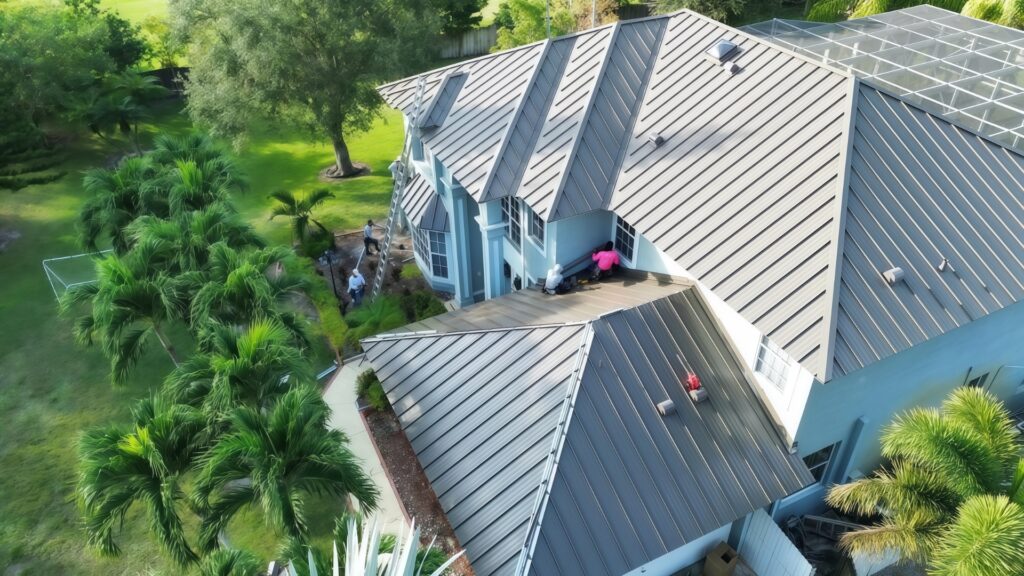
Roof installation mistakes that can lead to early roof failure in a Florida home

Roof Installation Mistakes That Cause Early Failure

Roof Installation Mistakes That Lead to Early Failure (And How Pros Avoid Them) A new roof should protect your home for years. But poor installation can cause problems much sooner than expected. Leaks, loose materials, and storm damage do not always mean the roofing material failed. In many cases, the problem started with how the roof was installed. Knowing what can go wrong helps homeowners choose the right roofing contractor from the start. 1. Poor Roof Preparation A quality roof installation starts before the new materials go on. Roofers must inspect the roof deck and identify damaged or weak areas. Installing new materials over a problem underneath can lead to future leaks and structural issues. According to the National Roofing Contractors Association (NRCA), proper installation and maintenance play an important role in roof performance. How Pros Avoid It Experienced roofing crews inspect the roof system before installation. They address damaged decking and prepare the surface correctly before moving forward. Doing the prep work right helps protect the entire system. 2. Incorrect Flashing Installation Flashing protects vulnerable areas around chimneys, vents, walls, and roof transitions. Poor flashing installation can allow water to enter the home. A small gap can become a major roof repair problem during Florida’s heavy rain and storms. How Pros Avoid It Professional roofers install flashing carefully and follow the requirements for the specific roofing system. They also inspect these areas before completing the job. 3. Improper Fastening and Material Installation Every roofing system requires proper fastening and placement. Incorrectly installed shingles, panels, or other roofing materials can loosen over time. Strong winds can make the problem worse. FEMA emphasizes the importance of properly installed roofing components to improve a home’s resistance to severe weather. How Pros Avoid It Professional crews follow manufacturer specifications and applicable building requirements. They use the correct materials and installation methods for the roof. Details matter. Especially in Florida. 4. Ignoring Ventilation and the Full Roof System A roof is more than the materials you see from the street. Ventilation, underlayment, flashing, and drainage all work together. Ignoring one part of the system can affect the performance of the entire roof. The U.S. Department of Energy explains that proper attic and roof design can also influence moisture and energy performance. How Pros Avoid It A professional roof inspection looks at the complete roofing system. The goal is not to rush through the installation. The goal is to build a roof that performs as intended. Choose a Roofing Contractor Who Does It Right The cheapest estimate can become expensive if poor installation leads to early failure and repeated repairs. When searching for roofing contractors near me, ask about experience, workmanship, materials, and how the company handles the full installation process. At Trade Productions, we believe quality roofing starts with doing the work the right way. No shortcuts. No guesswork. Just experienced workmanship focused on protecting your home. Need a new roof or concerned about a recent installation? Contact Trade Productions: (855) TRADE-FL today to schedule a professional roof inspection and request your estimate.

Trade Productions Inc. is a licensed Florida roofing contractor (CCC1328241) serving homeowners, businesses and property managers across Palm Beach, Broward and Miami-Dade counties. We install, replace and repair residential and commercial roofs: metal, tile, shingle and flat roofing systems and provide roof inspections, estimates, storm damage repairs and preventive maintenance programs.
© 2026 Trade Productions Inc. All Rights Reserved.
Scroll to Top