roofing contractor

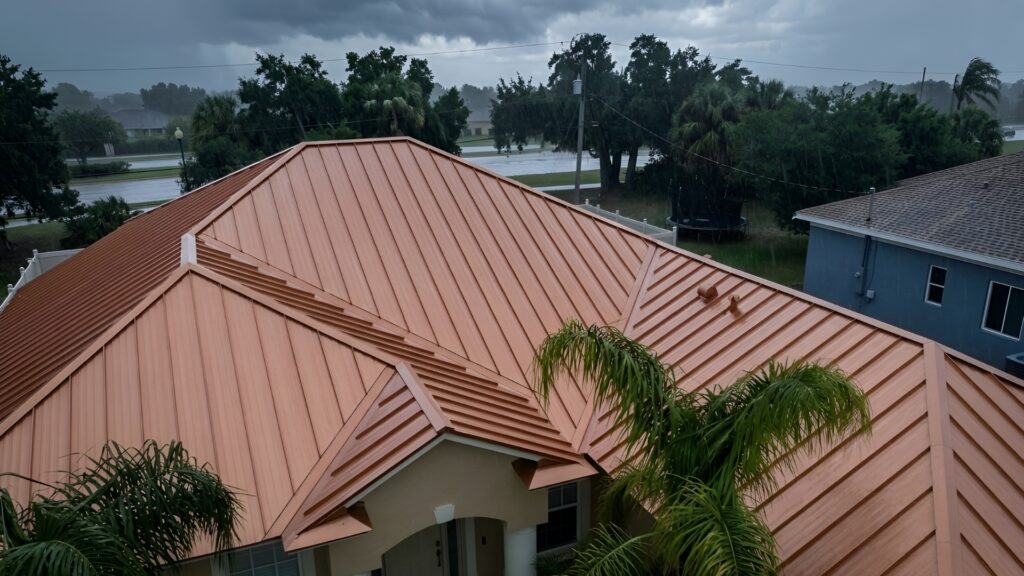
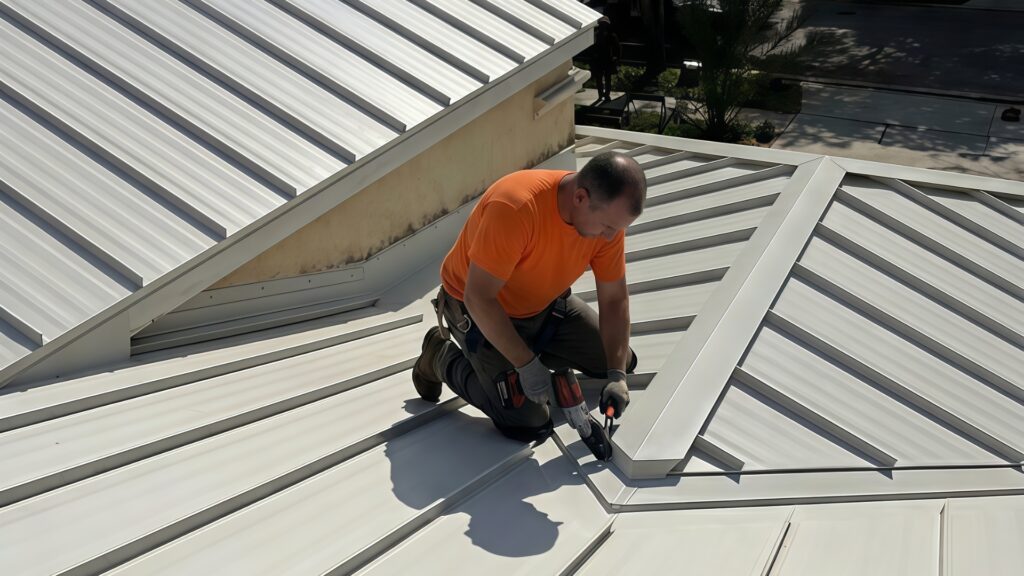
Roof repair or roof replacement inspection for a Florida home

Roof Repair or Roof Replacement: How to Know

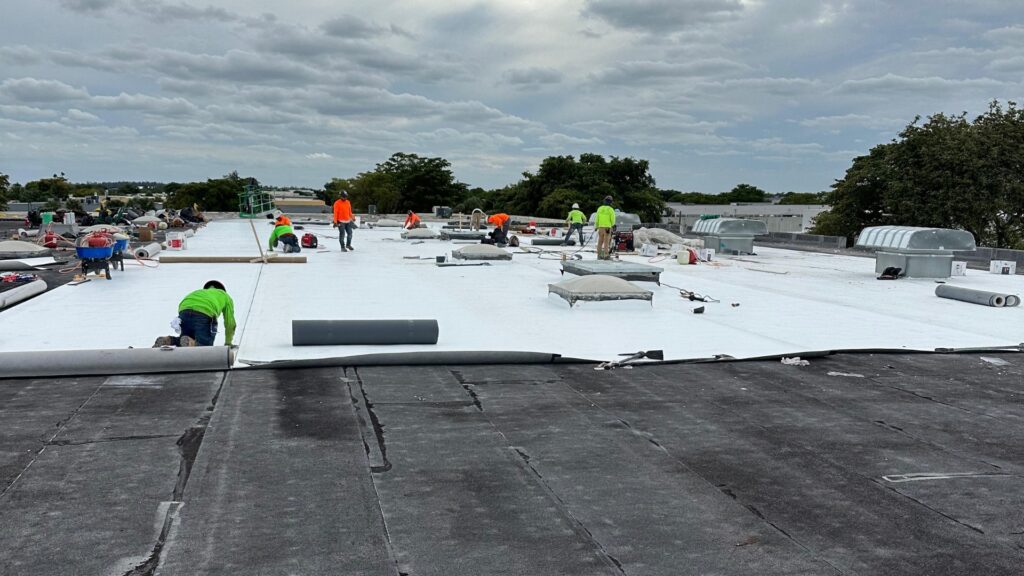
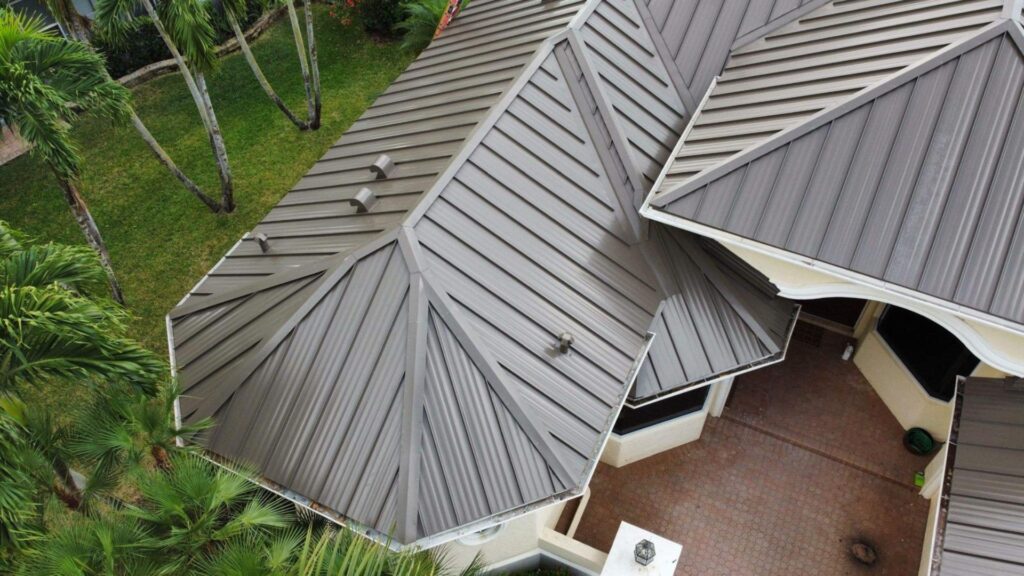
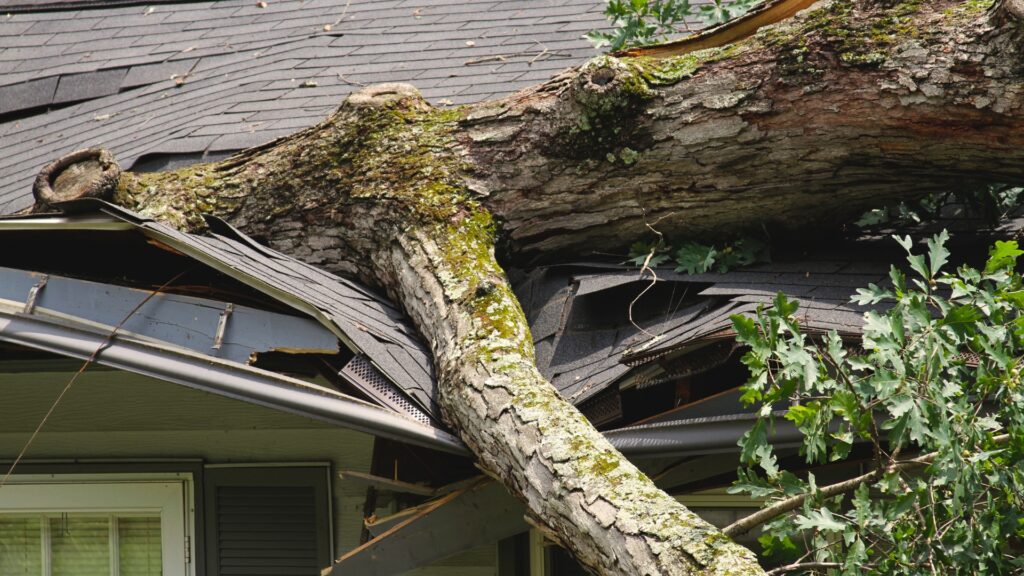
How to Know If You Need Roof Repair or a Full Replacement A roof problem does not always mean you need a new roof. But waiting too long can turn a small issue into major damage. The key is knowing when roof repair makes sense and when a roof replacement is the better long-term solution. A trusted roofing contractor can inspect the condition of your roof and help you make the right call. When Roof Repair May Be Enough Roof repair often works when the damage affects a small area and the rest of the roof remains in good condition. Common examples include: A few missing or damaged shingles A small leak around flashing Minor storm damage Isolated areas of wear Small issues around vents or roof penetrations According to the National Roofing Contractors Association (NRCA), regular maintenance and inspections can help identify roofing problems before they become more serious. The Damage Is Limited If your roof is generally in good shape, a targeted repair may extend its life and protect your home. However, a quick fix should solve the actual problem. Covering visible damage without addressing the cause can lead to more expensive repairs later. That is why a professional roof inspection matters. Signs You May Need a Roof Replacement Sometimes repairs become a temporary solution to a larger problem. You may need to consider a full roof replacement if you notice: Frequent or recurring leaks Widespread damaged or missing shingles Large areas of deterioration Visible sagging Water damage inside the home An older roof with multiple ongoing issues FEMA recommends taking steps to strengthen and maintain roofs to help reduce damage from severe weather. In Florida, that matters. Heavy rain, strong winds, and storms can expose weaknesses that already exist. Repairs Are Becoming Too Frequent One repair may make sense. Several repairs over a short period may signal that your roof is reaching the end of its useful life. A replacement can provide a more reliable long-term solution and reduce the risk of continued damage. The U.S. Department of Energy also notes that roofing choices can affect a home’s energy performance, making it important to consider the full roofing system when planning a replacement. The Best Way to Know: Get a Professional Roof Inspection Every roof is different. Age alone does not determine whether you need roof repair or replacement. A qualified roofing contractor should inspect the roof, identify the source of the problem, and explain your options clearly. If you are searching for roofing contractors near me, look for a company that focuses on the condition of your roof, not just selling the biggest job. At Trade Productions, we believe in doing the job the right way. We provide honest assessments and quality workmanship for Florida homeowners. Not sure if you need roof repair or a full replacement? Contact Trade Productions today to schedule a professional roof inspection and get a clear estimate for your roofing needs.
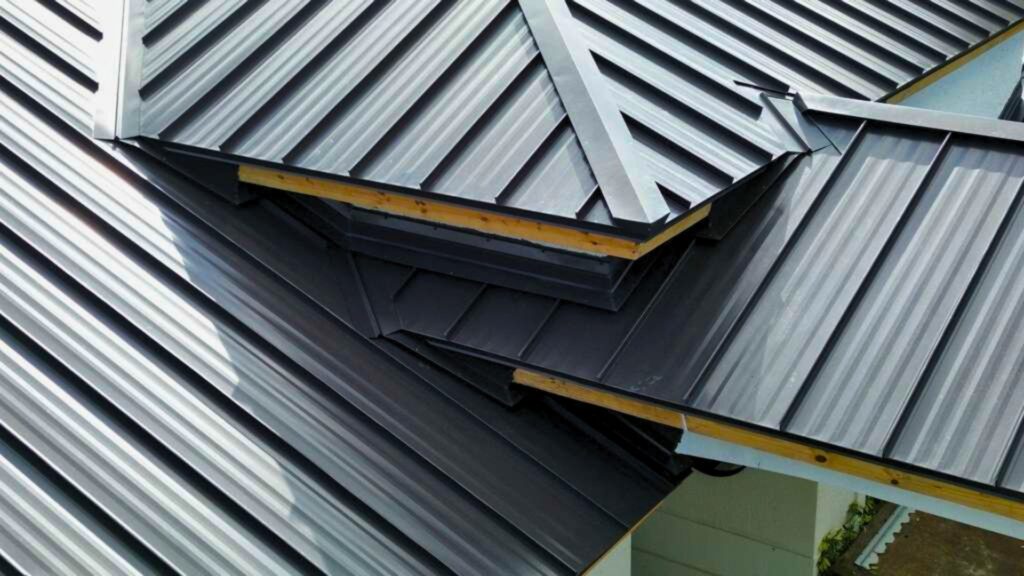
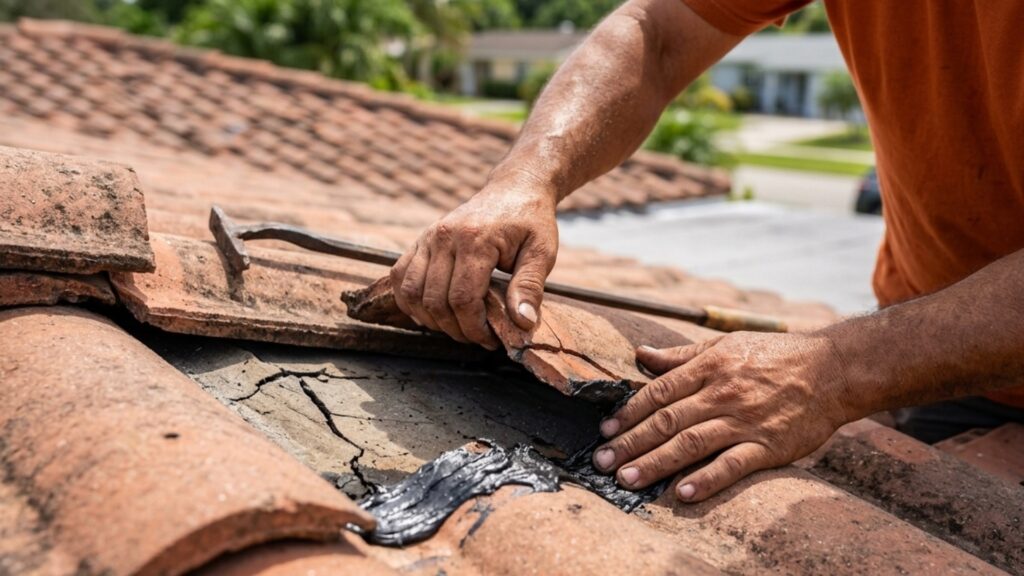
Roof pitch affecting drainage and storm resistance

Roof Pitch: Why It Matters in Florida

Roof Pitch: How It Affects Durability, Drainage, and Storm Resistance Roof pitch is more than a design feature. It directly affects how well your roof handles rain, wind, and Florida’s challenging climate. A properly designed roof pitch improves drainage, extends the life of your roofing system, and helps your home withstand severe weather. Understanding roof pitch can help you make informed decisions about roof repair, roof replacement, and long-term maintenance. What Is Roof Pitch? Roof pitch refers to the angle or slope of your roof. A steeper roof allows water to flow off more quickly, while a lower slope drains water more slowly and requires different roofing materials. According to the National Roofing Contractors Association (NRCA), every roofing system should match the roof’s slope to ensure proper performance and weather protection. Why Roof Pitch Matters Better Water Drainage Florida receives heavy rainfall throughout the year. A properly designed roof pitch allows water to drain efficiently, reducing the risk of standing water and leaks. Poor drainage can shorten the life of your roofing system and increase the need for roof repair. Improved Storm Resistance Roof pitch also influences how your roof responds to high winds. While every roof experiences wind pressure, proper design and professional installation help improve overall storm performance. A qualified roofing contractor understands which roofing systems work best for different roof slopes and Florida weather conditions. Longer Roof Lifespan Water that drains quickly places less stress on roofing materials. This helps reduce moisture damage, mold growth, and premature deterioration. According to the International Association of Certified Home Inspectors (InterNACHI), routine roof inspection helps identify drainage issues before they become costly repairs. Can Roof Pitch Affect Energy Efficiency? Yes. Roof pitch can improve attic ventilation and allow heat to escape more effectively when combined with a properly designed ventilation system. The U.S. Department of Energy explains that proper attic ventilation helps improve energy efficiency and reduces cooling costs, especially in hot climates like Florida. When Should You Schedule a Roof Inspection? If your roof has experienced heavy rain, hurricanes, or years of sun exposure, schedule a professional roof inspection. An experienced roofing contractor can evaluate your roof pitch, drainage system, flashing, and overall condition. If you’ve been searching for roofing contractors near me, choose a company that understands Florida’s building codes and installs roofing systems designed for long-term performance. Protect Your Home With Trade Productions The right roof pitch is only part of a durable roofing system. Quality materials, expert installation, and regular maintenance all play an important role in protecting your investment. At Trade Productions, we provide professional roof inspections, dependable roof repair, and complete roof replacement services built specifically for Florida homes. Contact us today to schedule your free roof inspection and receive a no-obligation estimate. We’ll make sure your roof is ready to handle Florida’s toughest weather.

Roof with small storm damage in Florida

Small Storm Damage: Why You Shouldn’t Ignore It

Small Storm Damage: Why It Can Lead to Major Roof Failure Over Time After a storm passes, your roof may look perfectly fine. However, appearances can be deceiving. Even small storm damage can weaken your roofing system and allow moisture to enter your home. What starts as a minor issue can slowly become a major roof failure. Acting early is the best way to protect your home, reduce repair costs, and extend the life of your roof. Small Damage Doesn’t Stay Small Florida storms bring strong winds, heavy rain, and flying debris. These conditions can loosen shingles, crack flashing, or damage roof seals without creating an obvious leak. According to the National Roofing Contractors Association (NRCA), routine roof inspections help identify hidden damage before it develops into larger roofing problems. Common Signs of Small Storm Damage Loose or Lifted Shingles High winds can break the adhesive seal that holds shingles in place. They may still appear intact, but water can now reach the layers below. This type of damage often requires prompt roof repair. Damaged Flashing Flashing protects roof valleys, chimneys, vents, and skylights. A small bend or gap may seem insignificant, yet it creates an easy path for water intrusion. Tiny Leaks A small leak rarely stays in one place. Water spreads through insulation, wood decking, and drywall long before stains appear on your ceiling. A professional roof inspection can detect these hidden problems early. Granules in the Gutters If you notice roofing granules collecting in your gutters after a storm, your shingles may have lost part of their protective surface. Over time, this accelerates roof aging under Florida’s intense sun. Why Delaying Repairs Costs More Small storm damage continues to worsen with every rainstorm. Moisture weakens the roof deck, encourages mold growth, and increases the chance of structural damage. Eventually, what could have been a simple roof repair may require a complete roof replacement. According to the Federal Emergency Management Agency (FEMA), repairing storm damage promptly helps reduce future property losses and improves your home’s ability to withstand the next severe weather event. Schedule an Inspection Before the Next Storm Many homeowners only search for roofing contractors near me after a leak appears. By then, the damage is often more extensive and expensive to fix. An experienced roofing contractor can identify problems that aren’t visible from the ground and recommend the right solution before they grow. Protect Your Home With Trade Productions The International Association of Certified Home Inspectors (InterNACHI) recommends inspecting your roof after severe weather, even when no major damage is visible. Early action protects your home, your family, and your investment. At Trade Productions, we provide detailed roof inspections, dependable roof repair, and professional roof replacement services built for Florida homeowners. Don’t let small storm damage turn into a major roofing problem. Contact us today to schedule your free roof inspection and receive a no-obligation estimate before the next storm arrives.

Wind uplift roof damage during Florida hurricanes

Wind Uplift Roof Damage During Florida Hurricanes

Wind Uplift Roof Damage: How Florida Hurricanes Can Weaken Your Roof Hurricanes don’t have to tear shingles off your roof to cause serious damage. One of the biggest threats during a storm is wind uplift. It can weaken your roofing system long before you notice a leak. Understanding how wind uplift works helps you protect your home, avoid expensive repairs, and know when it’s time to schedule a professional roof inspection. What Is Wind Uplift? Wind uplift happens when powerful winds move over your roof and create pressure differences. As wind speeds increase, they generate lifting forces that can loosen shingles, tiles, flashing, and even the roof deck. According to the Federal Emergency Management Agency (FEMA), strong hurricane winds can compromise roofing systems even when visible damage appears minor. How Wind Uplift Damages a Roof Breaks the Shingle Seal High winds can lift shingles just enough to break their adhesive seal. The shingles may settle back into place, making the damage difficult to spot from the ground. Once the seal breaks, water can enter during the next rainstorm. Loosens Flashing Flashing protects roof valleys, chimneys, vents, and skylights. Wind uplift can bend or separate these metal components, creating openings where water enters. This often leads to roof repair if left untreated. Weakens the Roof Structure Repeated wind pressure places stress on the entire roofing system. Over time, fasteners loosen, roofing materials shift, and the roof becomes more vulnerable during future storms. The National Roofing Contractors Association (NRCA) recommends inspecting roofs after severe weather to identify hidden damage before it worsens. Warning Signs After a Hurricane Missing Granules If you notice shingle granules in your gutters or around your home, your roof may have experienced wind uplift damage. Small Interior Leaks Water stains on ceilings or walls often appear days after a hurricane, not during the storm itself. Loose Roofing Materials Lifted shingles, cracked tiles, or damaged flashing all require immediate attention from an experienced roofing contractor. If you’re searching for roofing contractors near me, choose a roofing contractor who understands Florida’s building codes, hurricane exposure, and proper repair methods. Protect Your Roof Before the Next Storm According to InterNACHI, routine roof inspections help identify storm-related damage before it develops into major structural problems. Early repairs cost far less than replacing an entire roofing system after repeated water intrusion. At Trade Productions, we understand how Florida hurricanes affect residential roofs. Our team provides detailed roof inspections, dependable roof repair, and professional roof replacement services built for Florida’s demanding climate. Schedule your free roof inspection today and receive a no-obligation estimate before the next hurricane puts your roof to the test.

Hurricane season roof preparation checklist for Florida homeowners

Hurricane Season Roof Preparation Checklist

Hurricane Season Roof Preparation Checklist for Florida Homeowners Hurricane season can put every Florida roof to the test. Strong winds, heavy rain, and flying debris can turn a small roofing issue into major property damage. The good news is that a little preparation goes a long way. Use this Hurricane Season Roof Preparation Checklist to protect your home before the next storm arrives. A professional roof inspection now can save you thousands in future repairs. Why Prepare Before Hurricane Season? Many homeowners wait until a storm is approaching before calling a roofing contractor. By then, appointment schedules fill up quickly, and repairs may not be completed in time. According to the Federal Emergency Management Agency (FEMA), preparing your roof before hurricane season is one of the most effective ways to reduce storm damage. Your Hurricane Season Roof Preparation Checklist Schedule a Professional Roof Inspection A complete roof inspection identifies loose shingles, damaged flashing, worn sealants, and other hidden problems before they become leaks. The National Roofing Contractors Association (NRCA) recommends routine inspections to extend the life of your roofing system. Repair Small Problems Immediately Don’t ignore cracked shingles, loose tiles, or minor leaks. Small repairs are much less expensive than emergency roof replacement after a hurricane. Prompt roof repair also helps your roof withstand stronger winds. Clean Your Gutters Leaves and debris prevent proper drainage. Overflowing gutters can force water beneath roofing materials and increase the risk of water damage. Check Flashing and Roof Penetrations Inspect the areas around chimneys, skylights, vents, and roof valleys. These locations are common entry points for water during heavy rain. A qualified roofing contractor knows exactly where to look. Trim Nearby Trees Branches hanging over your roof can break during high winds and damage roofing materials. Keeping trees trimmed reduces the risk of impact damage. Review Your Roof’s Age Older roofs may require additional maintenance or even roof replacement before hurricane season begins. If your roof is over 15 to 20 years old, ask a professional to evaluate its condition. Don’t Wait Until the Forecast Changes After a tropical storm watch is issued, homeowners rush to search for roofing contractors near me. Unfortunately, the best appointment times are often already booked. Scheduling your inspection early gives you time to complete repairs before severe weather arrives. Protect Your Home With Trade Productions According to InterNACHI, regular roof inspections help homeowners discover hidden roofing issues before they become expensive problems. The best time to prepare is before the first storm appears on the radar. At Trade Productions, we help Florida homeowners stay ready with detailed roof inspections, dependable roof repair, and high-quality roof replacement services. Contact us today to schedule your free roof inspection: (855) TRADE-FL and receive a no-obligation estimate before hurricane season reaches your neighborhood.

How long should a roof last in Florida?

How Long Should a Roof Last in Florida?

How Long Should a Roof Last in Florida? Florida’s climate is beautiful, but it’s also one of the toughest environments for a roof. Intense sunlight, high humidity, heavy rain, and hurricane-force winds all shorten the life of roofing materials. That’s why homeowners often ask, How long should a roof last in Florida? The answer depends on the roofing material, the quality of the installation, and how well the roof is maintained. Average Roof Lifespan in Florida Different roofing systems have different life expectancies. Asphalt Shingles Most asphalt shingle roofs last 15 to 20 years in Florida. Constant UV exposure and severe storms can reduce their lifespan if they are not properly maintained. Tile Roofs Concrete and clay tile roofs often last 30 to 50 years. However, cracked tiles, damaged underlayment, and poor maintenance can shorten their performance. Metal Roofs A properly installed metal roof can last 40 to 70 years. Metal roofing performs well in Florida because it resists wind, moisture, and corrosion when maintained correctly. According to the National Roofing Contractors Association (NRCA), regular maintenance is one of the best ways to maximize the lifespan of any roofing system. What Shortens a Roof’s Life? Florida’s Extreme Weather Strong UV rays break down roofing materials over time. Hurricanes, heavy rain, and high winds can also weaken shingles, flashing, and sealants. Poor Installation Even premium roofing materials will fail early if they are installed incorrectly. Choosing an experienced roofing contractor makes a significant difference. Lack of Maintenance Small problems become expensive repairs when ignored. Routine roof inspection helps detect loose shingles, damaged flashing, and hidden leaks before they spread. According to InterNACHI, homeowners should schedule regular roof inspections to identify issues before they require major roof repair or roof replacement. When Should You Schedule an Inspection? Don’t wait until you notice a leak. If your roof is over 10 years old or has experienced severe storms, schedule a professional roof inspection. If you’ve been searching for roofing contractors, look for a roofing contractor with experience in Florida’s unique climate and a reputation for quality workmanship. Protect Your Roof Before Problems Grow The Federal Emergency Management Agency (FEMA) recommends maintaining your roof before severe weather arrives to reduce the risk of costly storm damage. At Trade Productions, we help Florida homeowners extend the life of their roofs through professional roof inspections, dependable roof repair, and high-quality roof replacement services. Whether your roof is showing signs of age or you simply want peace of mind, contact us today: (855) TRADE-FL to schedule your free roof inspection and receive a no-obligation estimate.

Roof underlayment protecting a Florida roof system

Roof Underlayment: Why It Matters Most

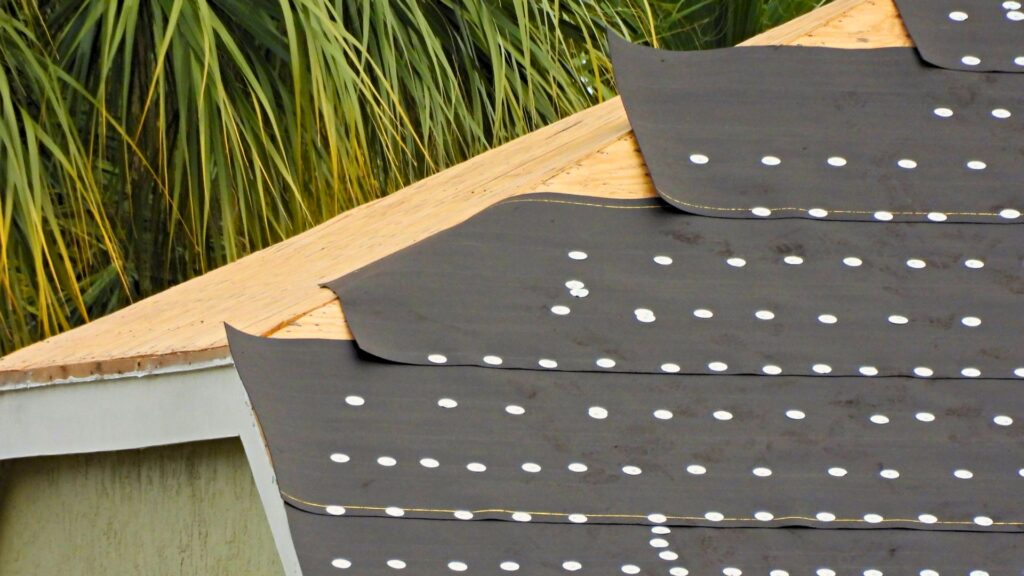
Roof Underlayment: Why It’s the Most Overlooked Part of a Roof System When homeowners think about a roof, they usually picture shingles, tile, or metal panels. However, one of the most important parts of any roofing system stays completely hidden. That layer is the roof underlayment. Without quality underlayment, even the best roofing materials cannot fully protect your home. Understanding its role can help you make better decisions about roof repair, roof replacement, and routine roof inspection. What Is Roof Underlayment? Roof underlayment is a protective barrier installed between the roof deck and the exterior roofing material. Its primary job is to stop water from reaching the wood structure if rain gets past the outer roofing layer. According to the National Roofing Contractors Association (NRCA), every part of a roofing system must work together to provide reliable weather protection. Why Roof Underlayment Is So Important It Provides a Second Layer of Protection Florida storms often bring heavy rain and strong winds. If shingles or tiles become damaged, the underlayment helps prevent water from entering your home. Without it, even a small opening can lead to expensive roof repair. It Helps Prevent Hidden Water Damage Leaks do not always appear immediately. Water can soak insulation, roof decking, and framing long before you notice stains on your ceiling. A professional roof inspection can identify these hidden problems before they require a full roof replacement. It Supports the Entire Roofing System Roof underlayment improves the overall performance of your roof by working together with flashing, shingles, ventilation, and drainage. When one component fails, the entire roofing system becomes more vulnerable. When Should Underlayment Be Replaced? If your roof has suffered storm damage, reached the end of its lifespan, or is being replaced, the underlayment should also be inspected. Installing new roofing materials over worn underlayment can shorten the life of your investment. If you’re searching for roofing contractors near me, choose a roofing contractor who evaluates every layer of the roofing system instead of replacing only what is visible. Don’t Ignore What’s Beneath the Surface According to FEMA, protecting your home starts with maintaining a complete roofing system before severe weather strikes. InterNACHI also recommends routine roof inspections to identify hidden issues that homeowners cannot easily see. At Trade Productions, we believe quality roofing goes beyond what you see from the street. Our team carefully inspects underlayment, flashing, ventilation, and every other critical component to ensure long-lasting protection. Whether you need a roof inspection, roof repair, or complete roof replacement, we’re here to help. Contact us today to schedule your free roof inspection: (855) TRADE-FL and receive a no-obligation estimate.

Hurricane wind damage on a residential roof in Florida

Hurricane Wind Roof Damage: Signs You Shouldn’t Ignore

Hurricane Wind Roof Damage: How to Know If Your Roof Was Affected (Even If It Looks Fine) Hurricane-force winds can damage your roof without leaving obvious signs. From the ground, everything may appear normal. However, hidden damage can weaken your roofing system and lead to leaks during the next storm. Knowing what to look for can help you avoid costly repairs and protect your home before small problems become major ones. Why Wind Damage Is Hard to Spot Strong winds lift roofing materials, loosen flashing, and break protective seals. Even if shingles remain in place, the wind may have reduced their ability to keep water out. According to the Federal Emergency Management Agency (FEMA), roofs should be inspected after major wind events because not all storm damage is immediately visible. Hidden Signs of Hurricane Wind Roof Damage Lifted or Loose Shingles Shingles do not have to be missing to be damaged. High winds can lift them just enough to break the adhesive seal. Once that happens, rain can penetrate the roofing system. A professional roofing contractor can identify this type of damage during a roof inspection. Damaged Flashing Flashing protects roof valleys, chimneys, skylights, and vents. Wind can bend or loosen these metal pieces, creating small openings where water enters. Ignoring damaged flashing often leads to expensive roof repair. Granules in Your Gutters If you notice large amounts of shingle granules inside your gutters after a storm, your roof may have suffered wind damage. Granule loss reduces the shingles’ ability to protect against Florida’s intense sun and heavy rain. Water Stains or Damp Spots A leak may not appear immediately. Water stains on ceilings or damp insulation often develop days or weeks after a hurricane. This is why early roof inspection is so important. Why Immediate Action Matters Waiting for a visible leak can make repairs much more expensive. Small wind damage often spreads with every rainfall and may eventually require a full roof replacement. The National Roofing Contractors Association (NRCA) recommends regular roof inspections after severe weather to identify problems before they worsen. If you’re searching for roofing contractors near me, choose a roofing contractor with experience inspecting Florida roofs after hurricanes. Protect Your Home Before the Next Storm The International Association of Certified Home Inspectors (InterNACHI) recommends inspecting your roof after major storms, even when no damage appears obvious. At Trade Productions, we provide thorough roof inspections, dependable roof repair, and professional roof replacement services designed for Florida homeowners. If your home has experienced strong winds or a recent hurricane, don’t wait for a leak to appear. Contact us today to schedule your free roof inspection and receive a no-obligation estimate.

Roof ventilation system helping protect a Florida home

Roof Ventilation in Florida: Why It Matters

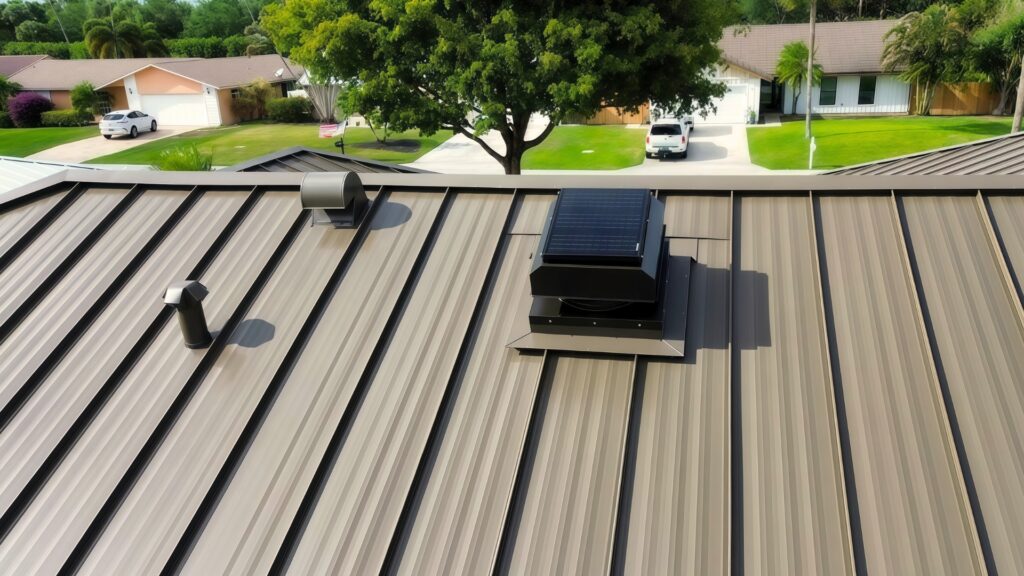
Roof Ventilation in Florida: Why It Matters Florida’s heat and humidity don’t just affect your comfort. They also impact the health of your roof. A properly designed ventilation system removes excess heat and moisture from your attic, helping your roofing system perform as it should. Many homeowners focus on shingles or tiles. However, roof ventilation plays an equally important role in protecting your home. What Does Roof Ventilation Do? Roof ventilation allows fresh air to enter through intake vents while hot, humid air escapes through exhaust vents. This continuous airflow keeps attic temperatures more stable and prevents moisture from building up. According to the U.S. Department of Energy, proper attic ventilation improves energy efficiency and helps reduce cooling costs during hot weather. Why Roof Ventilation Matters in Florida Reduces Excess Heat Attics in Florida can reach extremely high temperatures during the summer. Without proper ventilation, heat becomes trapped beneath the roof. This extra heat can shorten the lifespan of roofing materials and force your air conditioning system to work harder. Helps Prevent Moisture Damage Warm, humid air creates condensation inside the attic. Over time, trapped moisture can damage wood framing, insulation, and roof decking. A professional roof inspection can identify ventilation problems before they lead to expensive roof repair. Extends Roof Life According to the National Roofing Contractors Association (NRCA), balanced roof ventilation helps roofing systems perform better over time by reducing heat and moisture stress. That means fewer repairs and a longer-lasting roof. Improves Indoor Comfort A well-ventilated attic helps maintain more consistent indoor temperatures. Your home stays cooler during Florida’s hottest months while reducing unnecessary energy use. Signs Your Roof May Have Poor Ventilation Higher Cooling Bills If your energy costs continue to rise, poor attic ventilation could be contributing to the problem. Hot or Humid Attic An attic that feels excessively hot or damp often signals inadequate airflow. Premature Roof Wear Curling shingles, damaged decking, or recurring roof repair needs may indicate that excessive heat is affecting your roofing system. If you’re searching for roofing contractors near me, choose an experienced roofing contractor who understands how proper ventilation supports the entire roofing system—not just the shingles. Protect Your Roof With a Professional Inspection According to InterNACHI, routine roof inspections help identify ventilation issues before they cause serious damage. Addressing these problems early can help you avoid unnecessary roof replacement while protecting your investment. At Trade Productions, we inspect every part of your roofing system, including attic ventilation, flashing, shingles, and drainage. Whether you need a roof inspection, roof repair, or roof replacement, our team delivers quality workmanship built for Florida homes. Contact us today to schedule your free roof inspection and receive a no-obligation estimate.

Roof inspection before hurricane season in Florida

Schedule a Roof Inspection Before Hurricane Season

Schedule a Roof Inspection Before Hurricane Season Hurricane season arrives quickly in Florida. Unfortunately, many homeowners wait until a storm is approaching before calling a roofing contractor. By then, appointment schedules are full, repairs take longer, and small roofing issues can become expensive emergencies. The best time to schedule a roof inspection is before hurricane season begins. Planning ahead protects your home, saves money, and gives you peace of mind. Why You Shouldn’t Wait As hurricane season gets closer, roofing companies receive a large number of inspection and repair requests. Waiting until the last minute may leave you without available appointment dates. According to the Federal Emergency Management Agency (FEMA), homeowners should prepare their homes before severe weather arrives, including inspecting and repairing their roofs. Signs You Should Schedule an Inspection Now Your Roof Is More Than 10 Years Old Older roofs often develop worn shingles, loose flashing, or aging sealants. These problems may not be visible from the ground but can fail during strong winds. You Haven’t Had a Recent Roof Inspection The National Roofing Contractors Association (NRCA) recommends regular roof inspections to identify issues before they require major roof repair or roof replacement. A professional inspection can uncover hidden damage that homeowners often miss. You Recently Experienced Heavy Rain Florida’s intense rain can expose weak spots in your roofing system. Even if you don’t see a leak today, moisture may already be trapped beneath the roofing materials. You Notice Missing or Damaged Shingles Loose shingles, cracked flashing, clogged gutters, or sagging areas should never wait until hurricane season. Early roof repair costs far less than emergency repairs after a storm. How to Avoid Inspection Delays The easiest way to avoid long wait times is to schedule your inspection early. Don’t wait until everyone searches for roofing contractors near me after the first tropical storm warning. Choose an experienced roofing contractor who understands Florida building requirements and performs thorough roof inspections with honest recommendations. Protect Your Home Before the First Storm According to InterNACHI, routine roof inspections help homeowners detect small problems before they become costly structural damage. Preparing early also gives you enough time to complete any necessary roof repair before severe weather arrives. At Trade Productions, we help Florida homeowners stay ahead of hurricane season with detailed roof inspections, dependable roof repair, and professional roof replacement services. Don’t wait until appointment calendars fill up. Schedule your free roof inspection today and get a no-obligation estimate before the next storm is on the radar.

Trade Productions Inc. is a licensed Florida roofing contractor (CCC1328241) serving homeowners, businesses and property managers across Palm Beach, Broward and Miami-Dade counties. We install, replace and repair residential and commercial roofs: metal, tile, shingle and flat roofing systems and provide roof inspections, estimates, storm damage repairs and preventive maintenance programs.
© 2026 Trade Productions Inc. All Rights Reserved.
Scroll to Top